Will there be more money in non-farming than farming

There was lively debate on the panel session of dinner event component at our Field Day. It is well known that Mick Keogh from Australian Farm Institute has a fairly conservative view about the benefits for farmers from the Carbon Farming Initiative. Keen to put forward a balanced  perspective we invited Stephen Wiedemann from FSA who says he sits in the middle and already has some projects for the pig industry in the pipeline that may deliver for farmers. And at the other end of the spectrum to Mick was Louisa Kiely the glass half full girl on the panel and co-founder of Carbon Farmers of Australia who have developed a trading model for soil carbon which gives farmers access to markets before the formal Emissions Trading Scheme begins.

Panel Session

Dr Richard Eckard Mick Keogh Dr Neil Moss Stephen Wiedemann and Louisa Kiely provided a lively debate

I was MC for the event and currently waiting on the photographers in the room to send me pictures so I can share some of the insights from the podium and the floor with you. Not forgetting Department Agriculture Fisheries and Forestry taped the entire event ( not sure how long that will take to be a wrap).

Dinner at Jamberoo School of Arts

Lots of questions from a diverse audience

So I thought in the meantime I would share some of Mick’s humour  on the CFI with you.

This excerpt comes from  If I get paid for not having cows, can I get paid a lot more for not having a lot more cows?

There has been a steady stream of publicity about farmers starting to make money out of carbon farming, but it seems the only way to actually generate real money will be by destocking cattle. This begs the question – if I plan to have a lot of cattle then agree not to, can I get paid more than if I just planned to have a few cattle then decide not to?!!

A rough estimate is that each adult cow generates approximately 2 tonnes CO2-e per annum, so each cow not run on a property presumably could generate $46 in offset credits in the official carbon market from July 2012 – presuming that by then a Methodology involving destocking cattle has been recognised under the Carbon Farming Initiative legislation.

ets-cows

Whether or not such a methodology will be accepted is an interesting question! Destocking cattle on one property will reduce national beef production, resulting in higher prices (all else being equal) which will encourage either Australian or overseas cattle producers to increase their cattle numbers, with the result being no net change in cattle emissions in the atmosphere (a phenomena known as ‘leakage’).

If a destocking methodology is recognised under the Carbon Farming Initiative, it raises some interesting questions for livestock producers. For example, if destocking credits are calculated based on a reduction from current cattle or sheep numbers, the best thing to do would be to absolutely stack on stock fence-to-fence, at very high stocking rates, then undertake to get rid of them all! This would generate a lot more credits in perpetuity than would be available for someone with low stock numbers.

In fact, there would be many opportunities generated by such a development. A business opportunity could quickly emerge for properties where stock from farms involved in generating destocking credits could be sent for ‘holidays’ in case the auditor was due to check that stock numbers had been reduced. Conversely, a good market could develop for rental stock – stock that could be ‘borrowed’ for a short while to prove high stock numbers prior to destocking!

Australian farmers have long been envious of their European friends, who for many years have been able to generate money by not farming. Finally it seems the Australian Government has taken up the idea!!

I never thought of it like that

Today’s post has been written by the amazing Stephanie Coombes creator of the Careers in Australian Agriculture website who also blogs at the laugh a minute  Steph’s Agventures

Steph was born and raised in the suburbs of Perth, Western Australia. She has just graduated with a degree in Ag Science with First Class honours and is passionate about the beef cattle industry and ultimately wants to work in the live export industry, in animal welfare, training, education and supply chain management. She is now honing her skills as a jillaroo just about to start work for Annabelle Coppin on the huge Yarrie station at Marble Bar in WA

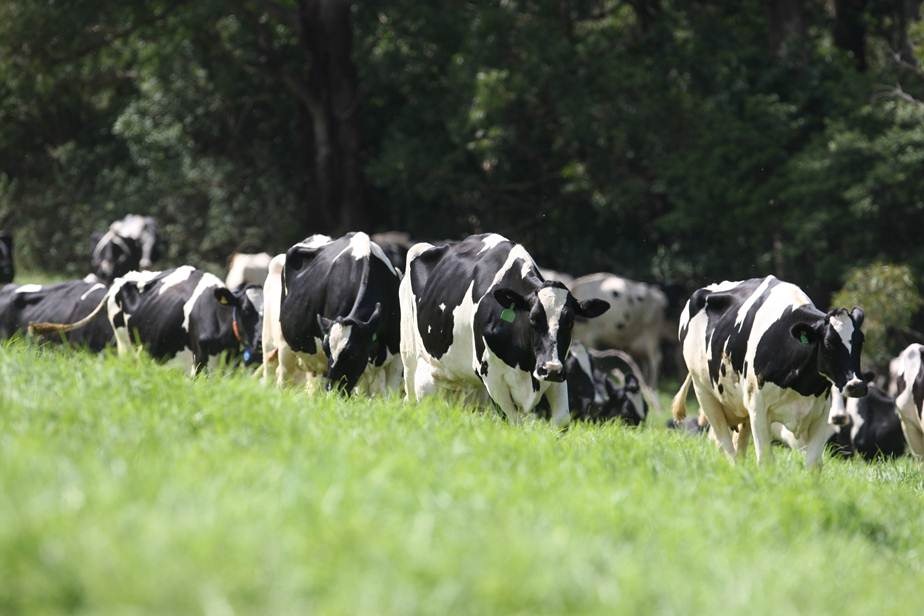
Steph first told me this story on the couch at the National Press Club in Canberra and I was fascinated. I have watched the cows going to the paddocks backwards from the dairy for years and must admit they way they do it intrigued me but never understand the “science” behind it

IMG_4149

Here is the “science” told like I will guarantee you have never heard it told before ………  


There are countless times I have said “I never thought of it like that”, and it always makes me think that well… I don’t think enough. How could I not pick up on something so fundamental? The skill of observation often sets people apart in this industry, if you have it, you’re one up, if you don’t, well… awkward! However, sometimes I tend to focus on particular things, and stop observing the bigger picture.

One example of when I have said “I never thought of it like that” was when the intricacies of cattle pads (tracks) were explained to me.

Question time! Cow pads… are they straight… or meandering?

IMG_8599

If you answered meandering, two points to you! Next question… why do they meander?

IMG_8601 

Are the cows drunk? Are pastoralists all over Australia spiking the lick for a laugh? Are cattle just not blessed with the gift of balance like the Australian gymnastics team? Nope. Is my imagination in overdrive? Yes…

The answer is to do with livestock senses. In the short time I have been working with beef cattle, I have had two main teachers who have bestowed a lot of knowledge upon me. Well I don’t know if I have said that quite right, because it is not as if they dropped a bomb of knowledge on me. I suppose it was more not just what they taught me, but also how they taught me. It wasn’t just facts and figures from a book, it was about using my skill of observation, and asking myself questions about what I was seeing and why I was seeing it.

It should come to you as no surprise that both of these people are well respected in the beef industry, and very good at what they do. They are Doug “Dougie” Jenkins, and Boyd Holden.

There is a whole spiel on livestock senses I could go into, but I’ll cut to the chase about meandering cattle pads.

IMG_8709

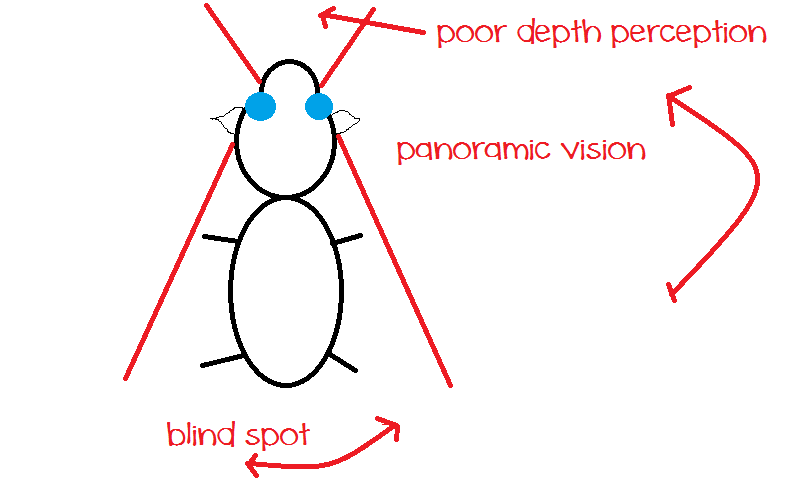
Cattle have peripheral vision. That means they have a wide angle vision, like a panoramic camera shot. They also have poor depth perception directly in front of them. Humans, on the other hand, have binocular vision, so we can see directly in front of us, but not so much to the side, and certainly not behind us!

One theory entertains the idea that our vision is dictated by our predator- prey status throughout evolution. Cattle are herbivores, they are the prey. Furthermore, they are grazing animals. Like that game we played in primary school “heads down, thumbs up”, drive past a paddock of cattle, and you will see them playing “heads down, bums up”.

Now, if the cattle are busy playing “heads down, bums up”, who is on the lookout for predators sneaking up in the grass?

If cattle had binocular vision, it would serve zero purpose to them as they had their head in the grass, munching away. They’d just be looking at grass. However, with their panoramic vision, they have poor vision directly in front of them (the grass) but good vision side to side.

cow

Now first things first- that is an awful picture, yes I am aware! It looks more like a pig than a cow.

Now back to business. So can you see in this picture, with the panoramic vision, the cattle can be scanning for predators while they are grazing? Why it is more useful for them to be able to see around them, than directly in front of them?

Next, take note of the blind spot. Even with their panoramic vision, cattle, like us, are not blessed with being able to see directly behind them, which means they are also susceptible to people running up behind them yelling things like “boo” or “RAHHH”, things other people think are funny, but as the person with no eyes in the back of our heads, things we do not think are funny…

IMG_4093

So imagine you are a cow walking around. You have poor depth perception directly in front of you, (I’m not sure if that is near or far sightedness?), good vision side to side, but then you have this annoying blind spot. That one spot which leaves you open to a dog or another predator, sneaking up behind you. Of course, being in the “prey club” as opposed to being a predator, I would be a bit paranoid on top of that if I was a cow.

So, you need to check behind you, to make sure nothing is eying you off as dinner (unless you are in a hoof and hook class and then you should be eying off that human on the other end of your lead rope!).

IMG_4095

Now, we all have that annoying friend who bumps into us when we’re out shopping, they keep looking at window displays, cute boys walking past etc… Fact is, when you turn your head, you often wander off your pathway. That’s why we have mirrors on our cars, especially those add ons which show you your blind spot! Wandering out of your lane is far worse than bumping into your friends!

That is why cattle pads meander. Cattle need to check their blind spot as they go on their way. They have fairly short, inflexible necks, so when they bend them to play peek-a-boo, it affects their whole body, sending them off course ever so slightly.

image014

Horses on the other hand, have longer, more flexible necks, are able to look behind them without such an obvious effect on their balance and as a result, their tracks aren’t as meandering.

I love learning bits of information like this. It is such an important concept to me, to be able to understand livestock senses, and why they do what they do, to be able to work with them effectively. Sometimes we are so focused on awesome research and discovering new things, we don’t discover what already is.

…. and a great night was had by all on the couch at the National Press Club as you can imagine with story tellers like this for entertainment. Thanks Steph I must admit my life is re-energised since I met you   

BTW Some more interesting stuff here via Emma http://www.slideshare.net/LandLearnNSW/cattle-whispering-emma-kay

IMG_4111

Don’t tell the cows but yoghurt grows on trees

This story by Saffron Howden  “Cultural cringe: schoolchildren can’t see the yoghurt for the trees”made the front page of the Sydney Morning Herald and not only that it was the most read article nationally. I am not sure I should tell you this but the whole world is talking about it. If you Google “yoghurt grows on trees”  you get almost 1.7 Million hits on the web on this story line

At the farm we have decided that we wont tell the cows that 27% of children surveyed think yoghurt comes from trees. It will break their hearts.

GRT_9470

It was bad enough to learn that most people didn’t know cows had four teats let alone this latest travesty.

But seriously what is it we want people to know about agriculture. I am sixth generation farmer. I grew up on a beef and sheep farm not returning to the dairy industry until I was 22. I will readily admit I had no idea how many teats a sheep had until I looked it up the other day. They have two by the way

Students in Dairy 0005

Sydney School students visit Clover Hill Dairies

Today farming is diverse, its complex, underpinned by the latest science and research and is highly technical. Its also dynamic, innovative and can be a very rewarding career pathway.

One of my next door neighbours is an engineer and for quite sometime taught advanced engineering at Sydney Uni. He loves living on the farm and being part of a working dairy landscape. We have had many many discussion about educating people about agriculture. He tells me its not so much about educating but building an appreciation. He uses the mobile phone as an example. He tells me the mobile phone is the most technically complex device on planet but it is not necessary for people to understand how it works they just appreciate it works and he believes this is where agriculture should focus.

For agriculture I like use the Sydney Harbour Bridge as an analogy. We value it as an Australian icon. We appreciate its a complex structure, but we don’t need to understand the intricacies of how it is put together. When we cross from one side to the other with our most precious cargo, our families, on board  we just need to have confidence in the people who designed it and trust who the people who built it .

My neighbour is right. The key is for farmers to actively engage and have two way conversations with urban Australia to build trust and appreciation of Australian agriculture so the community will value the hands that grow it and the land that produces it.

Sydney Harbour Bridge

There are many ways to do this and Art4agriculture was conceived for agriculture to have these conversations as early as we could.

On the farm we have taken every opportunity to share the Clover Hill Dairies story and its definitely a highly rewarding experience having two ways conversations with the people who not only love yoghurt but also know it is made from milk from happy healthy cows

Yogurt is made from milk from happy healthy cows0064

I must be a good person because I am a Christian

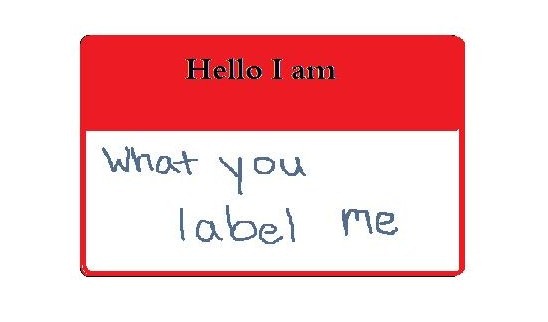
I am always fascinated by politicians who have this innate ability to have a media opportunity waiting for them as they come out of church on a Sunday or people who feel it is imperative to state their political persuasion or their religious affiliations or what they eat or don’t eat as if the label alone confers them with character, integrity, ethics and values

km-kevinatchurch_20120207085209222213

I have great admiration for many people I have worked with who I don’t have any idea if they are Liberal or Labour or Green or Christian, or Agnostic, Jewish or Hindu or vegetarians or carnivores, heterosexual or homosexual or whatever. And I don’t really care. I know them by their actions not their words that they are men and women of integrity and character. This is the type of person who I want to surround myself with and can only be determined by watching their behaviour, their track record over time in responding to all sorts of situations.

paul-mccartney-peta-advertising-campaign

What has this all to do with farming you ask. Quite a bit in fact
Life and business are far more complex than drawing a line and putting “Christian is good” on one side, and “Non-Christian is bad” on the other as one example.

label

The same applies to this ever growing propensity to demonise certain types of agricultural systems out of hand

The media is full of stories about the perils of conventional, large-scale agriculture, pointing to simpler ways of producing food that appear to be more in harmony with nature.

Large vs. small, family farms vs. corporate, organic vs. mainstream, free range vs. housed, grass fed vs. grain fed.The reality is it’s not the system it is how it is managed that really counts.
When it comes to the best approach to natural resource management and animal well-being we need to focus on measurable results that, in turn, will generate innovation and solutions to some of our most pressing problems on this planet. Not the least of which is to provide affordable, nutritious, ethically produced food that allows a reasonable return on investment for farmers that will allow them to feed a future 9 billion people and maintain life on Earth as we know it.

It is not just the community that is putting pressure on farmers. Some farm businesses and major retailers have taken to denigrating other farm management systems as a marketing tool to promote their own. The poultry industry is a classical example. How often do you see poultry advertised as “hormone free”.

Hormones0002

Not only is this is a nonsense as all plants and animals have natural hormones in them- think plant sterols in soy milk, but worse still it casts doubt into the mind of the consumer that all the other chicken on the market must actually have hormones added. Absolute myth. Hormones have not added been to any poultry feed in Australia for over 40 years! You can read all about the Australian poultry industry here

At Clover Hill Dairies we have been guilty of wearing the occasional badge of honour ourselves
Pesticide Free0001

Up until we took over Lemon Grove Research Farm we proudly stated on all our literature that we don’t use herbicides and pesticides.  When we took over Lemon Grove we suddenly found it was easy to say this because Clover Hill didn’t have plagues of army worms and red legged earth mite and nasty broadleaf weeds that grew like wildfire if let do so on the flood plain.

Lemon Grove 0003

Judicious use of scientifically validated technology is one of the great advantages developed food producing nations like Australia have over many other countries. We have rigid and well regulated systems and safety checks in place that make our food some of the safest in the world, irrespective of whether it has been derived by conventional or non-conventional methods. If we read the labels and play by the rules we can be confident that the technologies that we use on farm are safe and the food that we produce is superior and as safe as any in the world.

At Clover Hill and Lemon Grove we will always aim to produce the best quality and safest food that is grown with the best interest of the environment and animals that it comes from.

Badge with Photos  0001

However, our farming systems can not be locked into a religious type paradigm of what we think is best We must continue to adapt to our changing resource base, the seasons and climate, the economy and our markets. We also know that nature does not always get it right and some times we need to use technology to tip the balance back in favour of the farming system and the ever increasing people we need to feed.

7%0004

We must acknowledge this if we are going to keep feeding our world from an ever shrinking resource base with a market place that continually wants to pay less for food that costs more to produce. We must always use technology and innovation smartly and consider the collateral effects of its use ensuring that our management and farming practices are at best practice rather than just reaching for the key to the chemical shed or the drug cabinet.

Good article by the BBC’s Richard Black on this Farming Needs a “Climate Smart'” Revolution 

On a lighter side – Labels can mean many different things to different people

AmFsddOCIAEIgLX

and this one

Al5zX6gCQAAIGBB

Future farming: research puts grass out to pasture

Todays post comes via Kiama Independent story on our field day we are hosting in partnership with Southern rivers cma

DANIELLE CETINSKI

22 Feb, 2012 01:00 AM

A RESEARCHER could have the answer to the future of dairy farming and the solution was born in Kiama.

Research company SBScibus director Neil Moss, who lives in Kiama, has spent the past eight years developing a new kind of pasture using no grass at all.

“We wanted another way of doing things to fill gaps in the feed base,” he said.

Dairy

Dr Moss’ “salad bowl of ingredients” includes lucerne, chicory and plantain, which are all deep-rooted legumes and herbs – red clover is part of the mix because it grows quickly while the lucerne establishes itself, and the white clover fills in gaps in the pasture if other plants die out.

The trial pasture at Clover Hill Dairies’ research farm Lemon Grove at Jamberoo has already yielded some surprising results.

“We’ve found it generates 10 to 15 per cent more energy and the milk is 15 to 20 per cent higher in protein,” he said.

“We’re also getting between one-and-a-half and two litres more milk per cow per day spent on the pasture, which is a rise of five to 10 per cent.”

Dr Moss selected them from years of observations and fieldwork because they grow year-round, unlike the ryegrass and kikuyu commonly used on coastal dairy farms, which only grow in winter and spring and summer and autumn respectively.

They have deeper root systems than grass, meaning the pasture would be more resilient in times of drought.

They also rely less on nitrogen-based fertilisers, which are increasing in price, and respond to recycled effluent from the dairy.

Clover Hill Dairies owner Lynne Strong said she was excited about the research.

“It is widely recognised nine out of 10 farmers learn from other farmers and they want to see the research working in their own backyard,” she said.

The Southern Rivers Catchment Management Authority will run a field day at Clover Hill Dairies on March 26-27, allowing farmers to see the pasture firsthand.

“This field day will let regional farmers to see the results we are getting on our farm and allow them to determine if they think it will fit into their farming system,” Mrs Strong said.

It will include presentations on sustainable farming, soil health and the Australian Government’s Carbon Farming Initiative, including how to generate carbon credits.

Mrs Strong said the presenters were experts in their fields, including Dr Moss, Richard Eckard from the University of Melbourne, Mick Keogh from the Australian Farming Institute and Louisa Kiely from Carbon Farmers Australia.

Also speaking is Steve Wiedemann

Presentation topic:  Carbon and Nutrient Efficiency; Opportunities for dairyfarmers

Profitability and sustainability are front and centre issues for dairyfarmers.  One unlikely area where there may be opportunities to win on both fronts is from the manure pile.  Steve Wiedemann will speak about the carbon and nutrient opportunities that exist for dairyfarmers through improving effluent and manure management.  This will be a practical look at how to best utilise the resources that remain in waste streams at the dairy and in the paddock, and how to set a path to reducing some costly fertiliser inputs. Beyond the farm gate, we’ll also look at how dairy farmers might be able to participate in the carbon farming initiate by getting paid to reduce their emissions.

Technical summary:

  • Nutrient and carbon flows around the dairy farm – what they are and what they tell us
  • ‘Waste energy’ – how to capture this (Anaerobic digestion at the farm scale)
  • ‘Waste nutrients’ – where do under-utilised nutrients end up on a dairy farm and what can be done about it?
  • How increasing productivity can lower your carbon footprint
  • How emissions capture may lead to carbon credits

Bio:

Steve Wiedemann is a carbon and nutrient management specialist with FSA Consulting, based in Toowoomba Queensland.  Steve is currently running a number of national R&D projects looking at the carbon footprint of livestock enterprises, is a member of the livestock technical committee for developing Carbon Farming Initiative methodologies, and works regularly with a wide range of famers in the area of nutrient management.

If you would like to attend the field day, email peter.pigott@cma.nsw.gov.au or phone on 4429 4449.

ICE-CREAM DELIGHTS

I was like an excited little kid waiting for Christmas Day and arrived early for day 3 of the Sydney Royal Cheese and Dairy Show judging. It is widely recognised the Sydney Royal Wine, Dairy and Fine Food Shows set the standard in Australian wine and food judging and offer producers a platform to benchmark their products within the Australian market. Only the most exceptional quality is recognised with gold and silver medals providing a perfect platform for marketing exposure.

Lynne Strong

All dressed up and ready to work

Today I was to have the ultimate sensory ice-cream experience stewarding the ice-cream judging at the Sydney Royal Cheese and Dairy Produce Show. I don’t know anyone who doesn’t like ice-cream and there I was eyeing off the best the country has to offer.

The Sydney Royal does everything with style and the day started with a yummy breakfast for judges and stewards.

IMG_8441

I had a birds-eye view of the massive upgrade being undertaken on the arena

IMG_8444

I had the pleasure of meeting international legend that is Herve Mons

IMG_8447

Herve Mons discusses the day’s duties with Chairman of the Royal Dairy Produce Show Gerry Andersen

My mentor for the day was RAS Councillor and former chairman of the Sydney Turf Club Bill Picken. Bill is all personality and with lots of wise advice I soon got into the swing of things.

Bill Picken

Racing Identity Bill Picken

Mark Craig and Susan

Ice-cream judges Susan Burns, Craig Davis and Mark Livermore.

The steward’s role is to ensure the judging process runs smooth and effectively. This includes ensuring each entry is presented to the judges at the correct temperature.

A scoop of each ice-cream is placed on a separate plate behind the entry so the judges can view its melting profile. The judges then take numerous samples for tasting.

Ice-cream is judged on Flavour, Texture, Appearance and Melting.

IMG_8518

Susan closes her eyes and mind to the world about her and holds each sample approximately the same length of time in her mouth,

IMG_8519

As the ice cream melts on your tongue there should be a pure taste

To evaluate the flavour a small amount of the frozen ice cream is placed directly into the mouth and quickly manipulated between the tongue and palate and the taste and odour sensations are noted. By pressing a small portion of the frozen ice cream against the roof of the mouth the smoothness, the coarseness, the sandiness, and the relative size of the ice crystals can be determined

IMG_8463

Mark clearly enjoys the task

The experts can get a fairly accurate impression of the ice-cream’s body and texture characteristics by dipping the ice cream. The judges notice the way it cuts and the feel of the dipper or spoon as its cutting edge passes through the ice cream.

You may have heard that the overall quality of an ice-cream line can be judged by tasting its vanilla. True. Simple and pure, a scoop of vanilla should have a distinctive but delicate flavour that lets you experience the texture of the ice cream without masking other quality indicators.

IMG_8492

There was no shortage of flavours on offer

Appearance/Presentation –  Ice cream should look freshly made. Icy crystals on the surface or around the edges of the tub indicate either that the ice cream has been melted and refrozen or that it’s old.

IMG_8485

There was even a Banana and Vegemite Flavour

Texture –There has to be some “air” in ice cream or else it would be hard as ice. But you also don’t want it to be all fluffy. The surface of the ice cream should be smooth. There should be some heft to a cup of ice cream, and when you dig in your spoon, you should feel a little resistance.

IMG_8450

A team of 5 RAS staff ensures everything runs smoothly and double and triple check every score card

Once the individual classes are judged and the gold medal winners decided the top four gold medal winners are bought out in each section to determine the champions in their respective categories

IMG_8514

The judges from all the sections come together to decide the champions. One of the finalists was a Lamington flavoured ice-cream. Not surprisingly this was a flavour our French judge was not familiar with

Lamington Icecream

Fellow judge Rob Elliott describing the Ozzie icon the “lamington” to Herve Mons

AND THE WINNER IS

Champion Ice-cream

Champion Icecream
Entry 413 Class 49 Premium Ice Cream or Gelato, any flavour, minimum 12% fat content. GUNDOWRING FINEST ICE CREAM GINGER

Don’t quote me but I got the impression that our Aussie Gelatos and ice-creams could compete with the best of the best world wide

IMG_8546

And a great day was had by all including me. I look forward to doing it all again next year

See here for a full list of the Gold Medal Winners

Great follow up from ABC

http://www.abc.net.au/rural/content/2012/s3435882.htm#.T0Q-_9OKIDc.twitter


Young people telling it like it is

I caught up with the dynamo Mike Stephens at the NFF Roundtable last Friday and introduced him to Stephanie Coombes. We were then lucky enough to catch up with Associate Professor Peter Sale from La Trobe University over dinner where the conversation centred on nurturing young people in agriculture and how we identify them, engage them and provide them with the skills sets to empower them to lead Australian agriculture into the future.

Mike sent me this quote this evening.  Don’t you just love it

I crave human beings who understand the world, who gain sustenance from such understanding, and who want–ardently, perennially–to alter it for the better. Such citizens can only come into existence if students learn to understand the world as it has been portrayed by those who have studied it most carefully and lived in it most thoughtfully; if they become familiar with the range–the summits, the valleys, the straight and meandering paths – of what other humans have achieved; and if they learn always to monitor their own lives in terms of human possibilities, including ones that have not been anticipated before. Source: Gardner, The Disciplined Mind – Penguin – pages 19/20

This week Art4Agriculture Young Farming Champion and Clover Hill Dairies team member Emma Visser is one of “ 36 young, thoughtful and opinionated Australians who will come together in Canberra today, February 5th to attend Heywire – a “Tell It Like It Is” Regional Youth Summit. The 2011 Heywire winners from across regional Australia will engage in a five days of discussion and project idea pitching. They will speak directly with government decision makers, Australian youth sector leaders and key ABC staff.”

Emma at Heywire

Emma and fellow Heywire winners tackling the Marshmallow Competition

Emma joins talented young people of the ilk of Melody Pedlar for this once in a lifetime opportunity.

The challenge for agriculture is how do we build on these opportunities our shining stars are being given.

Bindi Turner commented on my previous post “The world is run by those who show up” by saying “I struggle with a) the apathy when its an open invitation and b) who gets the tap on the shoulder when its not”

Bindi you have inspired me to put this forward.  I would like to suggest to all those people out there who get a tap on the shoulder – ask if you can bring a friend. Then identify an exciting inspiring YOUNG person in agriculture who deserves to be heard and take them – you have nothing to lose and agriculture has everything to gain.

The National Farmers Federation Blueprint is our chance to define the farming landscape. Lets make it a legacy we can all be proud of

Emma’s winning Heywire video can be watched here

The world is run by those who show up

Yesterday I participated in the National Farmers Federation roundtable to discuss Higher Education and Skills and Training in Agriculture as part of the Blueprint for Australian Agriculture.

There was a few farmers there, a number of representatives of peak industry bodies, a lot of bureaucrats,a lot of professors from agricultural universities, some thought leaders from industry service providers, a representative of the AWU and the RSPCA and some pollies.

Can you see the glaring big hole in the audience? Where were all the young people? All those exciting young people who have just been through, or are going through, or a hoping to go though “Higher Education and Skills and Training in Agriculture”

Yes we all sat around the room and listened and talked and second guessed their needs.

“The world is run by those who show up” Its time agriculture made sure the right people were given the opportunity to show up

Farmers call to arms

Each year the Readers Digest does a poll to determine Australia’s most trusted professions. Last year as you can see farmers came in at number 7.

Top ten most trusted professions in 2011

1. Paramedics

2. Firefighters

3. Pilots

4. Rescue volunteers

5. Nurses

6. Pharmacists

7. Farmers

8. Medical specialists

9. GPs

10. Veterinarians

Four years ago when farmers were at number 9 I showed the list to a group of farmers and posed the question “ why aren’t farmers at the top of the list”. The farmers around the table replied “ the majority of the professions in the top 10 save lives”. My reply was without farmers supplying people with food, their most basic of needs, there would be no life and we need to find away to remind people just how important farmers are.

At that time I received mostly blank looks to my suggestion from the farmers around the table. I thought this was very sad and recognised we also needed to find a way to make farmers realise just how important they are. After all if you don’t believe in yourself how can you expect anyone else too.

So I began a crusade to fix this lack of appreciation of farmer self worth and initiated the Art4Agriculture programs to provide opportunities for farmers to share their stories with the community and in turn get a greater understanding of the community’s expectations of the people who supply them with food and fibre. The aim was to create a two way appreciation between rural and urban communities and an understanding of how much we rely on each other.

This year is Australian Year of the Farmer. A once in a life time opportunity to remind people (farmers and the community alike) just how important our farmers are.

Australian Year of the Farmer is an opportunity for every primary industry, every rural community and every farmer to invite their urban cousins to join them in a 365 day celebration.

Beyond Art4agriculture’s activities I am having a dinner party once a month for my urban friends. They will receive a copy of an Australian rural showcase like Fiona Lake’s books which my first guests were lucky enough to get.

AYOF dinner

We will celebrate local produce, drink local wine and I will be encouraging them to wake up each morning and say “I thank a farmer today”

IMG_4111

There is no shortage of great food on the South Coast.  And just to prove it we recently won the 100 mile challenge

IMG_0331

What do you have planned?

Well known Australian author Fleur McDonald– the voice of outback has pledged to get hold of 52 Farmers and post a blog a week from a farmer. From every part of Agriculture; grain, stock, mixed, fishing, dairy, viticulture, communications and so on and so forth!

This week I am very honoured to say I am farmer no 4. You will find my blog on Fleur’s site as well as at the bottom of this post.

CALL TO ARMS

This is my challenge to Australian farmers. Farmers are currently number 7 on Australia’s most trusted professions list. How can we work together to make 2012 the year Australia votes to put their farmers at number 1?

I look forward to working with each and everyone of you to make this happen

Fleur McDonald – Australian Year of the Farmer – a farmers story No 4 by Lynne Strong Clover Hill Dairies

Firstly I would like thank Fleur McDonald for giving me this opportunity to share my story and congratulate her for taking the lead in Australian Year of the Farmer by sharing 52 farmers’ stories. For too long food has been about cooking and eating and recipes and restaurants with little attention paid to the origin of the key ingredients. It’s time for everyone in the food value chain to follow Fleur’s lead and put faces to the product and give our customers real farmers they can relate to

1. Summary of your family and farming enterprise

My name is Lynne Strong and I farm at Clover Hill Dairies in partnership with my husband Michael and son Nick in what I refer to as paradise – the beautiful Jamberoo valley on the South Coast of NSW.

Clover Hill Dairies

Jamberoo is the birth place of the Australian dairy industry and the cooperative movement and my family has been farming here for 180 years.

I am actively involved in the day to day running of our two dairy farms where we milk 500 cows that produce milk to supply over 50,000 Australians daily. Lynne and Michael Strong

The highlight of my farming journey to date has been winning the National Landcare Primary Producer Award. This award recognises farmers who have a holistic view of farming and are committed to achieving the delicate balance between sustainable and profitable food production, and the health and wellbeing of people, animals and the planet

Nick Strong

2. Why I farm

· I farm because the people I care about most in the world farm and they are in it for the long haul

· I farm because I believe feeding, clothing and housing the world is the noblest profession

· I farm because I like the mental intensity, the constant review process, the drive to get up each day and do it better. The fulfilling challenge of balancing productivity, people, animals and the planet

· I farm because inspirational people farm. Feeding, clothing and housing the world now and in the next 50 years is going to require an extraordinary effort. This means we need extraordinary people to take up the challenge. When I work with inspirational people, they light my fire, feed my soul and challenge me to continue to strive to make a unique contribution to agriculture and the community.

3. What do you foresee as the biggest short term and long term challenges in farming?

Sadly Australia is complacent about the challenges to food security. There is a lack of appreciation by society in general of the interdependence of environment, agriculture, food and health.

However if we are to progress and fuel the mushrooming food needs of the cities while meeting the community’s expectations for environmental sustainability and animal well-being, then both rural and urban communities must have greater mutual empathy and respect.

This I believe is the real challenge facing farmers in the immediate future -How do we fix it?

As I see it we can do one of two things. We (farmers) can sit back and lament that we are victims or we can actively acknowledge that farmers are business people selling a product and successful businesses recognise marketing is a strategic part of doing business.

Marketing doesn’t mean every farmer needs to have a logo, spend money on advertising, write a marketing plan, write a blog, join Twitter or Facebook – it simply means being customer focused. This means you have to understand your customer and their values and your business has to BE the image you want your customer to see.Then whenever you get a chance, put that image out there. It may be at the farmgate, at a local farmers market, a community meeting, a media interview or whenever you are in contact with consumers.

Every sector of the food system whether they be farmers, manufacturers, branded food companies, supermarkets or restaurants is under ever increasing pressure to demonstrate they are operating in a way that is consistent with stakeholder values and expectations. Farmers cannot expect to be exempted from this scrutiny just because we grow the food.

Businesses are built on relationships. This means we (farmers) have to get out there in our communities and start having two way conversations with our customers

Excitingly I know that once farmers embrace the concept they will discover like me that it can be very rewarding talking to your customers. They are interested and they do care.

There are so many ways farmers can share their stories. To help achieve this I initiated the innovative ‘Art4Agriculture’ programs which started with Picasso Cows and is now the Archibull Prize. The Archibull Prize uses art and multimedia to engage thousands of students in learning about the valuable role farmers play in Australia’s future.

With the Art4Agriculture team I am working on establishing an Australia wide network of ‘young agricultural champions’ who are trained to tell the great story of Australian agriculture to the next generation of consumers – students.

This program connects young people from different food and fibre industries. They get to see their similarities, they find common ground, they realise each has issues that are just as challenging, and they learn how they can help each other.

Art4Agriculture’s Young Farming Champions program for 2012 will train a team of 24 young farmers from regional Australia to actively engage with students in schools around Australia. The students will focus on a particular food or fibre industry, receive a unique insight from their Young Farming Champion and then enter their project work (their Archie) to vie for the ‘Archibull Prize’.

Our Young Farming Champions will also have the opportunity to participate in a comprehensive and diverse array of initiatives offered by our supporting partners. These events will provide a platform from which to develop, build and strengthen the capacity of the Young Farming Champions and allow primary industries to develop key farmer-to-stakeholder and farmer-to-consumer relationships.

Through their involvement in Art4Agriculture school programs our Young Farming Champions will be able to directly market their food or fibre industry and its diverse career pathways to a captive and relevant audience. The legacy of the Young Farming Champions program is to create an Australia wide network of enthusiastic young professionals and build their capacity to promote Australian agriculture as a dynamic, innovative, rewarding and vibrant industry.

We believe this program will not only help build the capability of young rural people to farm with resilience and confidence it will provide a great platform to spark the next generations’ interest in an agricultural career.

4. What is my vision for the future?

My vision for the future isn’t too difficult; it just requires a different way of thinking. I believe a profitable and sustainable healthy future for the farming sector is achievable – the health and welfare of all Australians and many people around the world depends on it.

To drive the process of change requires champions and leaders. But to change grass roots perceptions, we need grass roots action. Farmers care about the country, their livestock and the people they provide with food and fibre. Beyond best farming practices, farmers have to be out in communities, walking the talk – from paddock to plate, from cow to consumer – and building trust between rural and urban communities. I want farming men and women to go out and sell the message that feeding and clothing the world is an awesome responsibility and a noble profession, and that it offers great careers. Just imagine if we could achieve my vision of an Australia-wide network of trained, passionate farmers talking directly with the communities they supply!

5. What do you wish non-farmers / city people & the Australian Government understood about farming?

Australian farmers proudly feed and clothe 60 million people. If they were doctors or nurses or pharmacists or ambulance officers or firemen there would be a moment in most people’s lives when they would be reminded just how important those professions are.
But farmers, at less than 1 per cent of the Australian population, are almost invisible and with food in abundance in this country, there is little opportunity to remind Australians just how important our farmers are.
I am hoping Australian Year of the Farmer starts a very long conversation and a new appreciation for the land that produces our food and the hands that grow it

6. What would I like to see on a billboard?

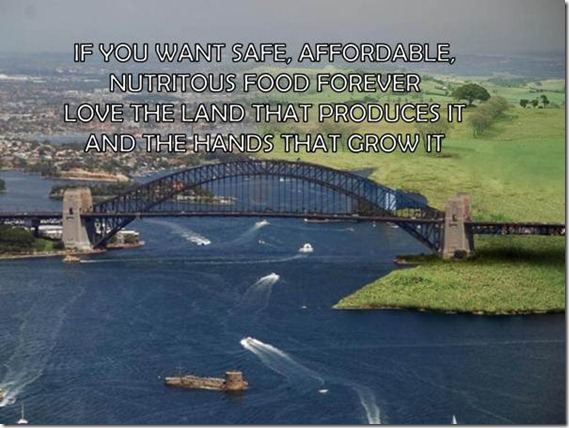
Billboard – across Sydney Harbour Bridge

“If you want safe, affordable, nutritious food forever love the land that produces it and the hands that grow it.”
clip_image002

You can visit us at the following websites:

Clover Hill Dairies www.cloverhilldairies.com.au

Art4agriculture www.art4agriculture.com.au

Read our blogs at:

Clover Hill Dairies Diary http://cloverhilldiaries.com/

Art4agriculturechat http://art4agriculturechat.wordpress.com

Follow us on twitter:

@chdairies and @art4ag

Follow us on Facebook:

http://www.facebook.com/pages/Clover-Hill-Dairies/211850082224503

http://www.facebook.com/art4agriculture/

You can find links to our Flickr, Slideshare and YouTube accounts on our websites as well as my email address. Looking forward to hearing from you

Clover returns–she just keeps coming back

Back in December I told you the story of Clover the python and her near death experience and her relocation to places quite far away

Well we recently had a visit from a Russian farmer delegation and whilst visiting the dairy they spotted something in the big Figtree that had them quite fascinated

IMG_6653

Well blow me down if it wasn’t our good friend Clover

IMG_6657

The dairy is only 100 metres from my house and I will keep my fingers crossed Clover decides to make the dairy her new home.