Some generations embrace technology a lot faster than others

RIP JOHN LAWRENCE LINDSAY 9TH FEBRUARY 2023 AGE 92

6th February 2012

This weekend my dad came to visit and he took home is new toy, which I must say he mastered in quick time

IMG_8123

John and his new ipad

Now John has a sense of humour very like  Michael  Trant ,so we added his blog  to his list of favourites

Check out his face as he reads through The Golden Rules of Farming

IMG_8126

Update 10 years later in  John’s 92nd year Michael Trant is a published fiction author ( and a very good one) So it was a no brainer that John would be sent an autographed copy of his book for his birthday

Now I am a 6th generation dairy farmer’s daughter of a 5th generation dairy farmer who turned beef farmer as soon as the opportunity arose. I can always remember John telling me from a very early age “Lynne never ever learn to milk a cow”

As is usually the case when John comes to visit there is quite a bit of reminiscing about his life growing up on the family dairy farm at Dapto.

John’s sister my Aunty Ruth recently wrote the family history and below are some extracts which shed some insights on my grandfather Walter Dunster Lindsay and what it was like to dairy in the Illawarra in the 1930’s to 1950’s . You can also see why John would have found milking cows with his father pretty frustrating. The post also gives some insights into why many farmers in the Illawarra were never particularly fond of the Dairy Farmers Cooperative who had a reputation for being very ruthless with their competitors

Some previous background can also be found in this  post 

Extract from Lindsay Family history by Ruth Rae

Walter was born into a dairy farming family well known in Dapto and throughout the Illawarra of that time. His ancestors had all been farmers, leaders in the community and very well respected.

He was a gentle man, slow to anger and rather shy. This shyness may well have been because he was born with a harelip and cleft palate, neither mended with today’s skills.

Walter Lindsay ( 2nd from the right in the bottom row) 

He probably took more interest in his children than he showed but he seemed to have all the conservatism and indifference to his young family that he claimed his forebears displayed so abundantly. He left his wife, Ethel, to dispense both tenderness and discipline.

Ethel Lindsay in 1978

Only once did he show anger and act upon it. That was when he was obliged to return to the dairy late one evening and did some damage to his shins when he tripped over his son John’s bike which had been carelessly left on the ground just outside the gate from the house. John, despite his protests, was the recipient of a sound hiding according to the traditions of justice of the day. It was only later that it became clear that it was a workman who had borrowed the bike, and not John, and had thrown it on the ground at the gate when he had finished with it. None of the children ever received any form of punishment from their father from that day on.

He did his work slowly, thoroughly and methodically, illustrated by his technique for washing up. He took responsibility for this within the dairy for half a century and, after retirement, continued it into the kitchen. First everything was rinsed, then washed immaculately, then rinsed again. It took all evening for he suspected that detergents had hidden implications for health. When he weeded a garden the result was just perfect and raked evenly to a fine tithe.

His conservatism extended to all things mechanical and, when a shortage of labour during the war forced Lindsay Bros to buy a milking machine, it was taken on with extreme suspicion and reluctance. For most of the war years the cows were milked by machine in the morning because it was the only way to get the job done and by hand in the afternoon when an extra person was available. Even with the machine his distrust was such that he always sat down and verified that the machine had done its work properly by doing a short finishing milking, or stripping as it was called. The cows gradually got used to this and saved up some of their milk for the hand milking so that some of them gave as much milk the second time around as they had initially given to the machine. Consequently milking 80 to 100 cows took an eternity and an inordinate amount of manpower- 6-7 hours a day plus another 2-3 hours for washing and cleaning the dairy equipment.

Milk machines sepia

In 1864 the first attempt to introduce milking machines to dairy farmers in Australia was made. However the machines were met with great suspicion and cows continued to be milked by hand twice daily seven days a week for many decades to come. Strange but true!

There was not a lot of time for other farm work or recreation and he indulged in very little of either. This remained the case until the “Kararra” herd was dispersed in 1958.

It was many years before he could afford a car (his brother Eric owned one and that was the family car) but he was very pleased with the one he bought and he drove it skilfully and well.

He had a good relationship with Eric and they had nicknames for each other. Dad was ‘Andy’ when Gug was ‘Horace’ while, in other gender mood, Gug was ‘Katie’ and Dad ‘Lena’.

Walter and Eric began to value add (to use a modern expression) to their dairy farming activity by becoming vendors of milk. Eric was the entrepreneur (to use another modern expression) and Walter the anchor man. To upgrade the herd Eric went to New Zealand and bought a prize bull.

scan0042

Dairy Farming in the blood – 6th and 7th Generation dairy farmers Lynne and Nick Strong collecting Champion Holstein Cow trophy  at Albion Park Show 30 years ago –

It became an extremely successful business and WD & ES Lindsay, later to be called Lindsay Bros, was, at its height, retailing more milk in the Wollongong-Port Kembla district than any other firm including the Dairy Farmers Cooperative Milk Company. Some 8 or 9 farmers in the district sold their milk to the firm and this was cooled, stored and distributed through some 3 domestic milk runs and a wholesale network that included almost every milk bar and general store from Dapto in the south to Austinmeer and Coaldale in the north.

milk to factory horses sepia

Eric would go to bed early and set off in the wee small hours with a laden truck to start the day’s distribution. Particularly in the hot months he would leave the milk in the cool room till the last possible time necessitating the early rising. After the war draconian and unfair government regulations were imposed that forced all other farmers to sell their milk only to a government agent which was the rival Dairy Farmers Milk Cooperative.

Milkman Delivering Milk

The Dairy Farmers Cooperative was a ruthless competitor

With the loss of their major source of supply, Lindsay Bros were forced to sell their domestic business and retain only the wholesale business in the city of Wollongong itself. Their milk was subjected to regular and intrusive testing, while that of the rival company was not, but was always found to be well above the prescribed norms. Eric bought the farm, “Kembla Park” and a subsidiary dairy was set up to augment the supply of milk. Lindsay Bros also bought a small farm at Albion Park to run dry and young stock, but the retail business was only a shadow of its former size. The company could not afford or warrant upgrading its machinery to enable processing and pasteurization which were beginning to be an important part of the industry and the business and herd were sold in 1958. The Dairy Farmers Coop bought the plant which they scrapped to forestall potential competitors but the herd, which had become well known for its productivity in the State herd testing scheme, attracted excellent prices for the time. Walter was 65 at this time and Eric 64 so retirement was timely option.

Dad and Mum fell in love 7 years before they were married, the first of his family to do so. They had to wait for several reasons: her responsibilities to her parents (her two sisters had moved away and were working) and the need to have a home when the farm was established. Karara only had on it a weatherboard old house with no facilities whatever and a cloying smell of dust and age. There was also the matter of religion – he, Protestant and she, Catholic. The exact details of the arrangement that allowed this to happen were never divulged but Mum was presumably excommunicated from the Catholic Church because she never attended mass again. They were married in St Phillips in Sydney and went home to a rented house called “Lakeview’ at Unanderra- a house with no electricity and home to a host of possums. Gug joined them and lived with them for the rest of their lives. Dad spoke of the Catholic Church only with bitterness but he always avoided mentioning the subject of their marriage.

Fortunately, the acrimony did not extend beyond the church and the Carr and Lindsay families had an extremely good relationship.

After the business was sold the garden became a pleasant hobby. He had always had a love of nature and knew all the birds around the farm. He watched them nesting and was so determined that they would not be disturbed that he told nobody about it.

The Kararra Garden in the late 1960’s regularly won the Wollongong Open Garden Competition

I often regret not having been allowed to share his knowledge. Mum would always consult him before hanging out the washing, and I can’t remember that his forecasts were ever wrong. I understand that he had only one year of secondary schooling, but he must have absorbed a tremendous amount of knowledge later as he read the Herald from cover to cover.

One very cold winter when Dad and Mum were house-sitting in Cowra for John and Robyn, I sent them an electric blanket. This was a sheer delight to him – there was only one control and he would set it to keep very warm, while Mum, who couldn’t spoil his enjoyment, slept with both feet outside the sheets. When small battery radios came in he considered it pure heaven to lie in a warm bed, head in the cool air, listening to news from far places. Then I would be called in to prepare a very large, cold milkshake which he drank with gusto before turning out the light………

As I said my dad is 82 but he is determined to live life to the fullest and we couldn’t help but laugh when he couldn’t leave without first putting his destination into another toy his Tom Tom – after all he has been driving from the Illawarra to Cowra for almost 60 years

IMG_8130

Check out those low profile tyres

PS John hope you enjoy reading this post

Found a little bit of family history in particular the legend John was named after here

John Lindsay was a prominent pioneer of the region with strong ties to the growth of cattle breeding and dairying in the Illawarra. His success at cattle breeding- notably the string of competition victories for Honeycomb brought Lindsay to the attention of breeders throughout New South Wales and beyond. Due in part to his extensive landholdings at ‘Lake View’, he became a prominent character in the civil life of the bourgeoning township of Berkeley and Albion Park. He was the son of George Lindsay, another noted figure of the area who is credited by some to be the first man to send butter by keg from the Illawarra to the lucrative Sydney market.

John Lindsay was the second son of the noted farmer and local pioneer George Lindsay.

George Lindsay was born in 1802/5 at Fintona, a village in County Tyrone in Northern Ireland to William Lindsay and Mary Simpson. In 1826 at Fintona, Ireland he married Jane McCauley. They had four sons and one daughter prior to their migration to Australia. The children were named (in order of birth) William, John, George, Anne and Thomas Francis.

William: b. 1829 d. 1881; married S. Bryen
John: b. 1832 d. 1894; Kembla Park, Unanderra; married Jane Musgrave
George: b. 1834 d. 1896 Sunnyside, West Dapto; married Eliza Little
Anne: b. 1838 d. Berwick, Victoria; married James Wilson
Thomas Francis: b. 1840 d. 1889 Unanderra; married Sarah Philips

The Lindsay family emigrated to Australia, arriving per Orestes in Sydney on 14 May 1841, settling at Charcoal Creek. George and Jane arrived with the intention of becoming a farmhand and dairywomen respectively, and were brought over by A. B. Smith & Co. A bounty cost of seventy three pounds had been incurred.

George Lindsay opened a small store in Unanderra and secured two properties- one at Mt. Keira and the other at Charcoal Creek (30 acres), approximately one mile from the present Unanderra Railway Station. In 1843 George received a 35 acre gift from the N.S.W. government. With the assistance of his four sons, George commenced dairy farming and mixed farming (potatoes and wheat) at Lake View. This was brought to Wollongong by a horse and dray which was a common practice for the day before the Illawarra railway line had been extended to accommodate more rapid transportation of produce. It has been claimed that George Lindsay was the first to send a butter keg from the Illawarra to Sydney. This exchange was extended in coming decades with the Sydney market offering the greatest prospects for the sale of dairy products from Illawarra farmers.

The sons of George Lindsay continued dairy farming at Lake View. John Lindsay became one of the most well celebrated dairy farmers of the region. He commenced farming on the 35 acre farm that was given to his father by the Crown. When the property became too small for his operations, he rented a part of the Keelogue’s Estate, where he remained until 1859 when he retired temporarily from dairy farming. In the same year, Lindsay purchased Kembla Park, where he built a home for his family, and 200 acres from Berkeley Estate and two other properties adjoining Kembla Park that were 105 acres and 45 acres respectively. Beyond this property, John purchased 60 cows from Berkeley Estate. On the 19th of November 1866, John’s father, George Lindsay passed away at “Kembla Park” or “Lake View”, Unanderra. He was burred at St. Luke’s Brownsville.

John Lindsay and his wife Jane Musgrave were parents to four daughters and four sons during their time at Unanderra. The children were named (in order of birth) Ann Jane, George, John, Eliza, Sarah Jane, Thomas William, Charles Love and Lavinia Florence.

Ann Jane: b. 1853 d. 1903 Unanderra; unmarried
George: b. 1855 d. 1946 “Horsley” West Dapto; married 1886 Sarah I.H. Grey
John: b. 1857 d. 1930 “Horsley” West Dapto; married Mary Dunster
Eliza: b. 1861 d. 1944 Kembla Park, Unanderra; unmarried
Sarah Jane: b. 1863 d. 1948 Penrose Dapto; married Evan Eustace Evans
Thomas William: b. 1864 d. 1941 Kembla Park Unanderra; unmarried
Charles Love: b. 1868 d. 1950 Wollongong; married Margaret Campbell
Lavinia Florence: b. 1870 d. 1907 Kembla Park, Unanderra; unmarried

The timing of the purchase of two properties “Horsley” and “West Horsley” by John Lindsay is contested. One account suggests “Horsley” was purchased in 1876 by auction. The property “West Horsley” which is correctly identified as being located east of “Horsley” is also recorded, though the date and method of purchase is absent from the account. This account is listed in Illawarra Pioneers Pre 1900, which was compiled by the Illawarra Family History Group Inc. and published in 1988 (page 102). A second account of the purchase is provided by Arthur Cousins in Garden of N.S.W., published in 1948 (page 110). This account records the purchase of “Horsley” as occurring in 1866, with the purchase of “West Horsley” occurring a few years later. “Horsley”, a property of 500 acres, is listed as being purchased from Miss Brooks. It is claimed that John Lindsay established his son George at “Horsley” and another son John at “West Horsley”.

I think this is a pix of my great Aunt’s at West Horsley

In 1878 John Lindsay created a minor scandal amongst his fellow dairymen in the region with his supposedly extravagant purchase of a finely bred Ayrshire bull, The Earl of Beaconsfield, from Mr. Buchanan of Berwick for £100. In addition, he purchased two bulls, two cows and two heifers (all Ayrshires) from his brother-in-law, James Wilson. The risk paid off substantially for Lindsay by enabling him to establish a herd that was celebrated above all others in the Illawarra. From the herd he bred Honeycomb, which became the champion NSW cow of its day.

When the price of butter had declined to 6d per bound, John Lindsay together with James and Thomas Wilson of Victoria established a cheese factory at Brown’s old flour mill, located in Brownsville. The plant installed at the factory was brought up from Victoria. Local dairymen supplied the factory with milk that fetched a price of 3½d. per gallon. Within a few months the price of butter rose and the milk supply collapsed when it became redirected towards butter production. The factory was subsequently closed. In 1894 John Lindsay died at Kembla Park, Unanderra. He was buried at St. Luke’s in Brownsville, like his father George Lindsay. A cheese press used at the factory is also held in the collection of the Illawarra Museum. It is a double screw model constructed from cast iron and tin components.

In 1969 a small snapshot of John Lindsay’s time at “Kembla Park” was revealed during the demolition of buildings on the site. A bottle containing several items was found. The first of the bottle’s contents was a threepenny coin made in 1881 that had a small hole at the centre. The second item was a copy of the Wollongong Argus, dated 1 September 1886. Also found in the bottle was a letter that read,

“Kembla Park, Unanderra. This letter was placed under this stone on 2nd day September 1, 1886. This dairy was built for Mr. John Lindsay J. P. by Mr. William Newson for one hundred and ninety pounds. He was the largest ‘Ayrshire’ breeder in the colonies and was the largest prize-taker both for cattle and butter; list of children; September, 1886.”

On the back of the doubled sheet was written-

“Latest events: Sydney Agricultural Show; Quarter Sessions; The first Wild Flower Show ever held at Dapto; the first Ball at Unanderra.”

Where does my grandfather fit in?

John: b. 1857 d. 1930 “Horsley” West Dapto; married Mary Dunster and they had 10 children 

Muriel born 1887 died 1961

Charles born 1888 died 1964 married Eileen McPhee

Joseph Roy born 1890 died 1929

Walter Dunster born 1893 died 1967 married my magnificent grandmother Ethel Sarah Carr

Eric Stanford ( my favourite great uncle) born 1894 died 1970

Estelle born 1897 died 1962

Harold Thornberry born 1895 died 1959

Doris born 1899  (Aunty Dos – very fond memories of this lady) died 1980

Hilda born 1900 died 1963

Hilton Born 1902 died 1964 Married Edith Martin

Eric Lindsay , Doris Lindsay ( front ) and Soey Dunster

[Source]

Garden of New South Wales: a history of the Illawarra & Shoalhaven districts 1770-1900, Cousins, Arthur, Sydney: Producers’ Co-operative Distributing Society Ltd, 1948, pp. 109-111

Illawarra Pioneers Pre 1900, Illawarra Family History Group Inc, Wollongong: The Group, 1988, page 102

Young people telling it like it is

I caught up with the dynamo Mike Stephens at the NFF Roundtable last Friday and introduced him to Stephanie Coombes. We were then lucky enough to catch up with Associate Professor Peter Sale from La Trobe University over dinner where the conversation centred on nurturing young people in agriculture and how we identify them, engage them and provide them with the skills sets to empower them to lead Australian agriculture into the future.

Mike sent me this quote this evening.  Don’t you just love it

I crave human beings who understand the world, who gain sustenance from such understanding, and who want–ardently, perennially–to alter it for the better. Such citizens can only come into existence if students learn to understand the world as it has been portrayed by those who have studied it most carefully and lived in it most thoughtfully; if they become familiar with the range–the summits, the valleys, the straight and meandering paths – of what other humans have achieved; and if they learn always to monitor their own lives in terms of human possibilities, including ones that have not been anticipated before. Source: Gardner, The Disciplined Mind – Penguin – pages 19/20

This week Art4Agriculture Young Farming Champion and Clover Hill Dairies team member Emma Visser is one of “ 36 young, thoughtful and opinionated Australians who will come together in Canberra today, February 5th to attend Heywire – a “Tell It Like It Is” Regional Youth Summit. The 2011 Heywire winners from across regional Australia will engage in a five days of discussion and project idea pitching. They will speak directly with government decision makers, Australian youth sector leaders and key ABC staff.”

Emma at Heywire

Emma and fellow Heywire winners tackling the Marshmallow Competition

Emma joins talented young people of the ilk of Melody Pedlar for this once in a lifetime opportunity.

The challenge for agriculture is how do we build on these opportunities our shining stars are being given.

Bindi Turner commented on my previous post “The world is run by those who show up” by saying “I struggle with a) the apathy when its an open invitation and b) who gets the tap on the shoulder when its not”

Bindi you have inspired me to put this forward.  I would like to suggest to all those people out there who get a tap on the shoulder – ask if you can bring a friend. Then identify an exciting inspiring YOUNG person in agriculture who deserves to be heard and take them – you have nothing to lose and agriculture has everything to gain.

The National Farmers Federation Blueprint is our chance to define the farming landscape. Lets make it a legacy we can all be proud of

Emma’s winning Heywire video can be watched here

The world is run by those who show up

Yesterday I participated in the National Farmers Federation roundtable to discuss Higher Education and Skills and Training in Agriculture as part of the Blueprint for Australian Agriculture.

There was a few farmers there, a number of representatives of peak industry bodies, a lot of bureaucrats,a lot of professors from agricultural universities, some thought leaders from industry service providers, a representative of the AWU and the RSPCA and some pollies.

Can you see the glaring big hole in the audience? Where were all the young people? All those exciting young people who have just been through, or are going through, or a hoping to go though “Higher Education and Skills and Training in Agriculture”

Yes we all sat around the room and listened and talked and second guessed their needs.

“The world is run by those who show up” Its time agriculture made sure the right people were given the opportunity to show up

When art becomes the voice

Our eco warrior Erin Lake is leaving us to take up her placement in the Graduate Program for the Department of Sustainability, Environment, Water, Population and Communities (SEWPaC). This department is responsible for a lot of things including a commitment to  conserve Australia’s environment and to promote sustainable living within Australia.

Erin is perfect for this position which is offered to people who demonstrate leadership potential, enthusiasm and initiative

Erin is particularly hoping to work in the Land and Coasts division (which look after initiatives such as Caring for Our Country), where she will be able to apply the fundamental knowledge she has gained while working on ground, to achieve the best outcomes for managing Australia’s natural resources.

See previous posts about Erin here

Custodians of the Land

Next Gen Giving our Farm lots of TLC

Start the day with the perfect cocktail

Erin and Megan Rowlatt who heads up Illawarra Youth Landcare are the driving force of a group of young people who are not only passionate about the sustainability of the planet they are actually doing something about it.In fact Megan is the current NSW Young Landcarer of the Year.

IMG_6258

Megan and Erin in full flight

Together we have been coordinating a number of activities which include film and social media and now art to engage, enthuse, educate and empower both farmers and rural landholders who care about their land but don’t necessarily have the skills sets to ensure the best outcomes for the landscape and the native animals.

IMG_6281

We are using art to reinvigorate Landcare messages and Erin has left us with these superb artistic reminders ( made from 44 gallon drums) of her time with us..

IMG_8069

Drum Art is now protecting endangered and treasured native species at Clover Hill

The drum artworks are Erin Lake inspired masterpieces painted by artists from La Division. This is a highly motivated group of young people who showcase the talent of local artists and share their passions through art, film, photography, surf and skate.

Visit LA’DIVISION Facebook page here

The label, La Division, is an outlet to produce clothing to help support local artists. La Division artists have been supporters of many community events including Landcare Illawarra’s Dune Day festival and the recent KISS arts festival.

IMG_4587

LA’DIVISION artist at Dune Day

One of the great things about art is it enables participation from people of all ages and backgrounds. Its highly visual. It captures attention. It ensures people stop and think and appreciate

LA’DIVISION artist Trait said “Painting tawny frog mouths and fleshy fruits on 44 gallon drums is not exactly traditional street art but it was a great challenge and an even greater cause” 

IMG_8080

Erin Megan and Anna plant our special trees

IMG_8079

Each drum lists the botanic name and the common name of the species it is hosting and providing shade and shelter for

IMG_8099

This drum has the prestigious role of hosting the endangered  Illawarra Socketwood

What a great idea Erin and what great outcomes

We finished the tree plantings with a celebration party to say a big thank you to Erin and wish her all the best in the “Bush Capital

IMG_8111

Erin will be christening her new job with a bottle of the delicious Clover Hill Champagne 2001 Vintage


Special thanks to LADIVISION artists

Trait

Mirko Sossai

Boyd.e

Chris Anderson

Start the day with the perfect cocktail

IMG_7775

This weekend Erin (see Next Gen giving our farm lots of TLC) has bought the troops in to put the finishing touches on our Fountaindale Dam project

Fountaindale Dam is a beautiful area bordering our farm but was sadly suffering from benign neglect and we have taken it upon ourselves to build community partnerships to help rectify this.

IMG_7909

This important community area covers diverse environmental zones including the headwaters of Fountaindale Creek which flows into Minnamurra River and wetlands.

Fountaindale Dam 10001

Red circle indicate area of Fountaindale Dam at Jamberoo

Whilst the dam borders our farm it is actually owned by Kiama Council who built it a long time ago in the hope of supplying Kiama with water. An expensive pipe dream as it turned out.

IMG_0139

Lots of farm generations have had fun playing under the dam wall

Above the dam are a number of hobby and lifestyle farms and many small mountain streams which bisect significant areas of high conservation value remnant rainforest feed into the dam. The hobby and lifestyle farms unfortunately in the main don’t fence their cattle out of the waterways and this has led to considerable degradation of the upper stream beds during the drought.

The region is also habitat for the spotted quoll – a beautiful little native animal (which also has a penchance for chooks)

Spotted quoll

Spotted quoll cute and endangered but don’t let him near your chickens

Zieria Granulata is an endangered shrub found only in the Illawarra region of NSW and also thrives here.

Siannon CtG 0008

With the support of Kiama Council and funding from a Community Action Grant and Erin’s expertise we cleared the invasive evil lantana from the banks of the dam.

IMG_6357

Lantana is considered to be one of the ten worst weeds worldwide but it is so entrenched in the Australian landscape its thickets now provide a substitute habitat for a range of animals, including bandicoots, whipbirds, quail, wrens, birdwing butterflies and brush turkeys, where it has replaced the natural understorey vegetation.

IMG_0230

Every wise landholder knows removing Lantana is a waste of time unless cleared areas are revegetated with native trees or pasture immediately and regular maintenance is a must until the vegetation is well established.

Fountaindale Dam Jan 18th 2011  (8)

Once we had cleared the Lantana we sowed ryegrass in the open areas and did spot spraying of secondary weed nasties in the rainforest understory.

Jack's Paddock

We ensure all our paddocks around the dam have a permanent pasture coverage which helps keep the nutrients on the pasture where they should be and not washed into the waterways during major rainfall events. 

This weekend Erin and her eco warriors have planted a further 400 rainforest tree species such as Black plum, bleeding heart and myrtle ebony as part of a new wildlife corridor.

IMG_7821

Petrol powered plant auger makes light work of digging the holes

IMG_7809

We even landscaped the backyard of our friendly neighbourhood wombat

IMG_7886

Michael bravely put his hand up to plant all the Giant Stinging Trees (Dendrocnide excelsa)-

The purpose of these plantings is to strengthen the existing wildlife corridor that links the lower rainforest to the rainforest around the dam. Once the trees in the wildlife corridor are established we will be planting rows of native grasses to act as a nutrient buffer zone between the pastures and the dam. This will ensure minimal farm runoff can get into the community waterways and help reduce the nutrient load on the waterways.

IMG_7903

All the rainforest trees that have been planted here have been provided by Landcare Illawarra as part of the “Illawarra Rainforest and Woodland project”.

This project aims to increase the genetic diversity of plantings in the Illawarra which has the potential to increase the level of fruiting of individual species. This is an important project as it aims to ensure genetic variability in the many species selected. Landcare Illawarra has collected seed from multiple locations to guarantee this.

IMG_7799

Many hands make light work and another great effort from Next Gen Eco Warriors

IMG_7852

Heads up today is Erin’s birthday – you can wish her happy birthday and tell her what a great little eco warrior she is via Twitter @ErinLake_C2G

There is no room for ordinary in agriculture anymore.

These days I get asked to speak at many varied events and that pleases me greatly

This month it is the Future World Eco Technology Centre in Wollongong and the topic is ‘Sustainable Urban Food Production”

Once upon a time when I was just starting my crusade ( Farmers Call to Arms) to give the community real farmers they could relate to and most importantly talk to; Rosemary Stanton was the face of sustainable agriculture at every community forum I went to. I was mortified. Expert on human nutrition she may be, commercial farmer she is not and whilst my degree gives me a sound knowledge of human nutrition and I have opinions about it there is no way I would up put myself up as an expert. Rosemary has strong opinions indeed about sustainable agriculture but that’s all they are, armchair expert opinions.

So I asked myself why is Rosemary asked to talk on this topic and not a farmer. After hearing her speak a couple of times and attending a few agriculture conferences the reason was obvious Rosemary Stanton is a damned good highly charismatic presenter

It then became very clear to me agriculture desperately needed farmers who were both experts in their field and charismatic speakers who could relate to urban audiences and urban audiences to them.

This is why I love and fight so hard for the Young Farming Champions program. (See footnote)

In November last year I presented at the Future Focused Ag Oz forum to a group of 20 young rising stars of agriculture. The topic of my presentation was “Wanted extraordinary people for an extraordinary challenge”

I started my presentation with a picture of me and said “My name is Lynne Strong and I am extraordinary”  Slide 1

This was followed by a picture of Michael and Nick with the statement “ I farm with my family and they are extraordinary”  Slide 2

I then put up a slide with a picture of our cows and said “our cows supply 50,000 Australians with milk everyday and they are extraordinary” Then I said “ as you can see there is a pattern forming here extraordinary can be contagious.” Slide 3

With that I asked each person to introduce themselves to the person sitting next to them and then tell them they were extraordinary and of course these exciting young people got into the groove straight away.

Slide 4 went on to say “Feeding, clothing and housing the world now and in the next 50 years is going to require an extraordinary effort. This means we need extraordinary people to take up the challenge.  There is no room for ordinary in agriculture anymore”

Now when I do a new presentation that’s a bit out there I run it by my family. This time I only showed them slides 1, 2 and 3 without telling them who the audience was.  They both looked shocked and said “You are not giving that presentation to dairy farmers are you?”  When I said no its for a group of young farmers with similar mindset to the Young Farming Champions they were quite comfortable with that but assured me I could never give that presentation to a group of dairy farmers.

I recently asked a wise person who works across all industries why dairy farmers are such quiet achievers.? Why has it been inbuilt in dairy farmers to play things down? Why aren’t we encouraged to celebrate?

He said the dairy industry is like the egg industry. They are the two most silo orientated industries in Australia and this mindset is embeded in their culture.

It is clear to me and the exciting young farmers I meet and work with we need a culture of change as being quiet achievers is achieving very little. Agriculture has great stories to tell and farmers should be loud and proud. If agriculture is going to overcome the challenges and grasp the opportunities with both hands it is imperative that we find vehicles for our young farmers to stand up and show Australia (and the world) just how extraordinary our farmers are.

I am currently putting together a number of blog posts for the Art4agriculutureChat site that have been written by some of the inspiring young farmers I have met over the last 12 months.

Last week we featured Melissa Henry and thanks to the twitterverse and Facebook Melissa’s story is now one of the Art4AgricultureChat most popular blog posts. It is clear that the community is interested in stories about young farmers written by young farmers  and we will be sharing them with you as often as we can

Next up is Young Farming Champion, AYOF Roadie and NSW Farmers Young Farmers’ Council Chair Hollie Baillieu followed by Horizon Scholar Rozzie O’Reilly. Two extraordinary young farmers of the future.

You can read Hollies post here Agriculture can take you anywhere you chose

If you know an exciting young farmer and would like to share their story with the world send me an email at Lynnestrong@cloverhilldairies.com.au

Footnote

The Young Farming Champions program was inspired by the most impressive initiative I have ever been involved in which is the Climate Champions program.

The Climate Champions program is a cross industry partnership of farmers across Australia which has exposed me to the bright minds from other industries. There is nothing more rewarding for your personal development than surrounding yourself with innovative thinkers you can learn from. The Climate Champions program is managed by the fabulous team from Econnect who not only deliver the workshops they support each of the 34 farmers 365 days 24/7

The Climate Champions program is a collaboration between the Grains Research & Development Corporation, Managing Climate Variability and Meat & Livestock Australia

Farmers call to arms

Each year the Readers Digest does a poll to determine Australia’s most trusted professions. Last year as you can see farmers came in at number 7.

Top ten most trusted professions in 2011

1. Paramedics

2. Firefighters

3. Pilots

4. Rescue volunteers

5. Nurses

6. Pharmacists

7. Farmers

8. Medical specialists

9. GPs

10. Veterinarians

Four years ago when farmers were at number 9 I showed the list to a group of farmers and posed the question “ why aren’t farmers at the top of the list”. The farmers around the table replied “ the majority of the professions in the top 10 save lives”. My reply was without farmers supplying people with food, their most basic of needs, there would be no life and we need to find away to remind people just how important farmers are.

At that time I received mostly blank looks to my suggestion from the farmers around the table. I thought this was very sad and recognised we also needed to find a way to make farmers realise just how important they are. After all if you don’t believe in yourself how can you expect anyone else too.

So I began a crusade to fix this lack of appreciation of farmer self worth and initiated the Art4Agriculture programs to provide opportunities for farmers to share their stories with the community and in turn get a greater understanding of the community’s expectations of the people who supply them with food and fibre. The aim was to create a two way appreciation between rural and urban communities and an understanding of how much we rely on each other.

This year is Australian Year of the Farmer. A once in a life time opportunity to remind people (farmers and the community alike) just how important our farmers are.

Australian Year of the Farmer is an opportunity for every primary industry, every rural community and every farmer to invite their urban cousins to join them in a 365 day celebration.

Beyond Art4agriculture’s activities I am having a dinner party once a month for my urban friends. They will receive a copy of an Australian rural showcase like Fiona Lake’s books which my first guests were lucky enough to get.

AYOF dinner

We will celebrate local produce, drink local wine and I will be encouraging them to wake up each morning and say “I thank a farmer today”

IMG_4111

There is no shortage of great food on the South Coast.  And just to prove it we recently won the 100 mile challenge

IMG_0331

What do you have planned?

Well known Australian author Fleur McDonald– the voice of outback has pledged to get hold of 52 Farmers and post a blog a week from a farmer. From every part of Agriculture; grain, stock, mixed, fishing, dairy, viticulture, communications and so on and so forth!

This week I am very honoured to say I am farmer no 4. You will find my blog on Fleur’s site as well as at the bottom of this post.

CALL TO ARMS

This is my challenge to Australian farmers. Farmers are currently number 7 on Australia’s most trusted professions list. How can we work together to make 2012 the year Australia votes to put their farmers at number 1?

I look forward to working with each and everyone of you to make this happen

Fleur McDonald – Australian Year of the Farmer – a farmers story No 4 by Lynne Strong Clover Hill Dairies

Firstly I would like thank Fleur McDonald for giving me this opportunity to share my story and congratulate her for taking the lead in Australian Year of the Farmer by sharing 52 farmers’ stories. For too long food has been about cooking and eating and recipes and restaurants with little attention paid to the origin of the key ingredients. It’s time for everyone in the food value chain to follow Fleur’s lead and put faces to the product and give our customers real farmers they can relate to

1. Summary of your family and farming enterprise

My name is Lynne Strong and I farm at Clover Hill Dairies in partnership with my husband Michael and son Nick in what I refer to as paradise – the beautiful Jamberoo valley on the South Coast of NSW.

Clover Hill Dairies

Jamberoo is the birth place of the Australian dairy industry and the cooperative movement and my family has been farming here for 180 years.

I am actively involved in the day to day running of our two dairy farms where we milk 500 cows that produce milk to supply over 50,000 Australians daily. Lynne and Michael Strong

The highlight of my farming journey to date has been winning the National Landcare Primary Producer Award. This award recognises farmers who have a holistic view of farming and are committed to achieving the delicate balance between sustainable and profitable food production, and the health and wellbeing of people, animals and the planet

Nick Strong

2. Why I farm

· I farm because the people I care about most in the world farm and they are in it for the long haul

· I farm because I believe feeding, clothing and housing the world is the noblest profession

· I farm because I like the mental intensity, the constant review process, the drive to get up each day and do it better. The fulfilling challenge of balancing productivity, people, animals and the planet

· I farm because inspirational people farm. Feeding, clothing and housing the world now and in the next 50 years is going to require an extraordinary effort. This means we need extraordinary people to take up the challenge. When I work with inspirational people, they light my fire, feed my soul and challenge me to continue to strive to make a unique contribution to agriculture and the community.

3. What do you foresee as the biggest short term and long term challenges in farming?

Sadly Australia is complacent about the challenges to food security. There is a lack of appreciation by society in general of the interdependence of environment, agriculture, food and health.

However if we are to progress and fuel the mushrooming food needs of the cities while meeting the community’s expectations for environmental sustainability and animal well-being, then both rural and urban communities must have greater mutual empathy and respect.

This I believe is the real challenge facing farmers in the immediate future -How do we fix it?

As I see it we can do one of two things. We (farmers) can sit back and lament that we are victims or we can actively acknowledge that farmers are business people selling a product and successful businesses recognise marketing is a strategic part of doing business.

Marketing doesn’t mean every farmer needs to have a logo, spend money on advertising, write a marketing plan, write a blog, join Twitter or Facebook – it simply means being customer focused. This means you have to understand your customer and their values and your business has to BE the image you want your customer to see.Then whenever you get a chance, put that image out there. It may be at the farmgate, at a local farmers market, a community meeting, a media interview or whenever you are in contact with consumers.

Every sector of the food system whether they be farmers, manufacturers, branded food companies, supermarkets or restaurants is under ever increasing pressure to demonstrate they are operating in a way that is consistent with stakeholder values and expectations. Farmers cannot expect to be exempted from this scrutiny just because we grow the food.

Businesses are built on relationships. This means we (farmers) have to get out there in our communities and start having two way conversations with our customers

Excitingly I know that once farmers embrace the concept they will discover like me that it can be very rewarding talking to your customers. They are interested and they do care.

There are so many ways farmers can share their stories. To help achieve this I initiated the innovative ‘Art4Agriculture’ programs which started with Picasso Cows and is now the Archibull Prize. The Archibull Prize uses art and multimedia to engage thousands of students in learning about the valuable role farmers play in Australia’s future.

With the Art4Agriculture team I am working on establishing an Australia wide network of ‘young agricultural champions’ who are trained to tell the great story of Australian agriculture to the next generation of consumers – students.

This program connects young people from different food and fibre industries. They get to see their similarities, they find common ground, they realise each has issues that are just as challenging, and they learn how they can help each other.

Art4Agriculture’s Young Farming Champions program for 2012 will train a team of 24 young farmers from regional Australia to actively engage with students in schools around Australia. The students will focus on a particular food or fibre industry, receive a unique insight from their Young Farming Champion and then enter their project work (their Archie) to vie for the ‘Archibull Prize’.

Our Young Farming Champions will also have the opportunity to participate in a comprehensive and diverse array of initiatives offered by our supporting partners. These events will provide a platform from which to develop, build and strengthen the capacity of the Young Farming Champions and allow primary industries to develop key farmer-to-stakeholder and farmer-to-consumer relationships.

Through their involvement in Art4Agriculture school programs our Young Farming Champions will be able to directly market their food or fibre industry and its diverse career pathways to a captive and relevant audience. The legacy of the Young Farming Champions program is to create an Australia wide network of enthusiastic young professionals and build their capacity to promote Australian agriculture as a dynamic, innovative, rewarding and vibrant industry.

We believe this program will not only help build the capability of young rural people to farm with resilience and confidence it will provide a great platform to spark the next generations’ interest in an agricultural career.

4. What is my vision for the future?

My vision for the future isn’t too difficult; it just requires a different way of thinking. I believe a profitable and sustainable healthy future for the farming sector is achievable – the health and welfare of all Australians and many people around the world depends on it.

To drive the process of change requires champions and leaders. But to change grass roots perceptions, we need grass roots action. Farmers care about the country, their livestock and the people they provide with food and fibre. Beyond best farming practices, farmers have to be out in communities, walking the talk – from paddock to plate, from cow to consumer – and building trust between rural and urban communities. I want farming men and women to go out and sell the message that feeding and clothing the world is an awesome responsibility and a noble profession, and that it offers great careers. Just imagine if we could achieve my vision of an Australia-wide network of trained, passionate farmers talking directly with the communities they supply!

5. What do you wish non-farmers / city people & the Australian Government understood about farming?

Australian farmers proudly feed and clothe 60 million people. If they were doctors or nurses or pharmacists or ambulance officers or firemen there would be a moment in most people’s lives when they would be reminded just how important those professions are.
But farmers, at less than 1 per cent of the Australian population, are almost invisible and with food in abundance in this country, there is little opportunity to remind Australians just how important our farmers are.
I am hoping Australian Year of the Farmer starts a very long conversation and a new appreciation for the land that produces our food and the hands that grow it

6. What would I like to see on a billboard?

Billboard – across Sydney Harbour Bridge

“If you want safe, affordable, nutritious food forever love the land that produces it and the hands that grow it.”

clip_image002
You can visit us at the following websites:

Clover Hill Dairies www.cloverhilldairies.com.au

Art4agriculture www.art4agriculture.com.au

Read our blogs at:

Clover Hill Dairies Diary http://cloverhilldiaries.com/

Art4agriculturechat http://art4agriculturechat.wordpress.com

Follow us on twitter:

@chdairies and @art4ag

Follow us on Facebook:

http://www.facebook.com/pages/Clover-Hill-Dairies/211850082224503

http://www.facebook.com/art4agriculture/

You can find links to our Flickr, Slideshare and YouTube accounts on our websites as well as my email address. Looking forward to hearing from you

Wow what a cow

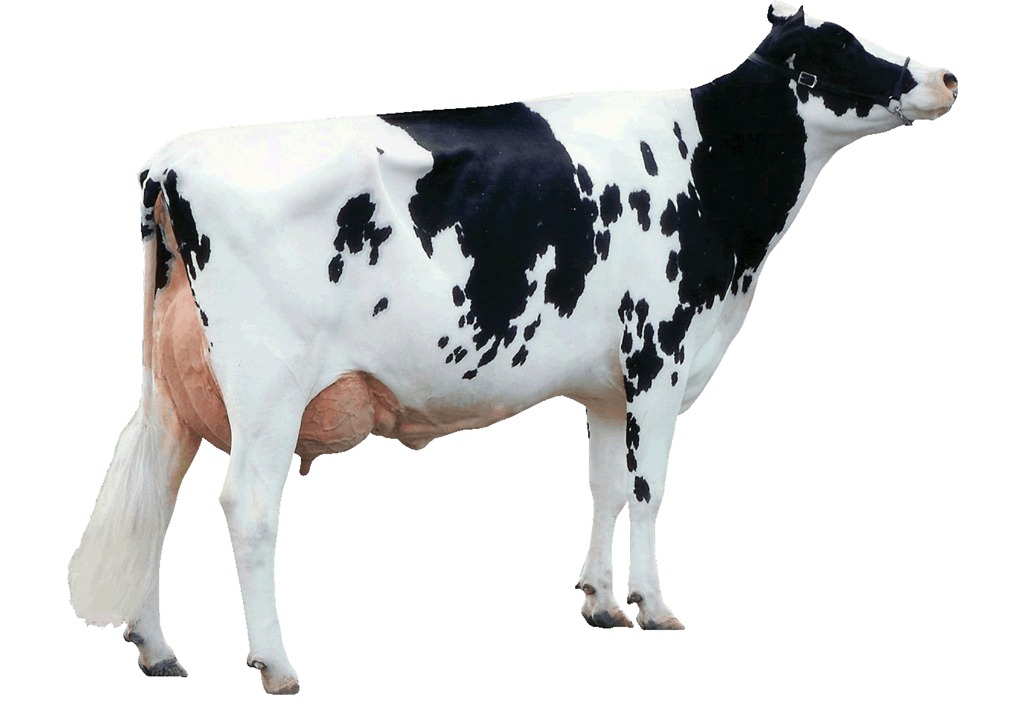
This is one amazing dairy cow. Her name is Murribrook Lieutenant Tina 2EX and she is a superb example of a Holstein dairy cow.

Tina IMG_7706

Tina is 16 years old and has had 12 calves and has just gone into the resting paddock waiting to have her thirteenth calf.

In her lifetime she has produced a whopping 153000 litres of milk. That means Tina  provides 1500 Australians with milk each year

Up until recently Tina has always taken pride of place leading the cows to and from the dairy. She has this knack of knowing when milking is due and lines up at the paddock gate to notify the herd its times to walk back to the dairy.

Wise dairy farmers select and breed from cows who have a number of qualities that ensure healthy and contented cows.

These qualities include:

  1. longevity
  2. compact udders that allow cows to carry their milk comfortably
  3. good “feet and legs” which help them to walk comfortably. This is very important on our farm as we milk three times daily and our cows walk a lot. For more info see previous  post “ when too much walking is not a good thing “
  4. Feed conversion efficiency. The aim here is to breed cows who can turn grass into milk as efficiently as possible. This has a number of advantages including reducing greenhouse gas emissions and all livestock owners know how important that is. Our cows have a feed conversion efficiency rating of 2.7 which is very high. This means they can turn 1kg of feed into 2.7 litres of milk  which means not only high productivity but little eco footprints

There is lots of science to cow breeding and genes that deliver these qualities have all been identified through genomic mapping

A mature cow like Tina is a product of both her genes (15% genetics) and how she was raised (85% environmental influences)

Tina is a great example of this proven science. Tina is a direct descendent of a very famous imported cow  called  Walkerbrae Triple T Toni, Ex 24*.  Toni was imported by Murray Sowter .

Walkerbrae Triple T Toni

How gorgeous is she and how much does Tina look like her.

Murray was involved in the first live exports from Canada. See his website here http://www.murribrook.com/cow-families/toni.html

We are very pleased to have a number of Tina’s decedents in our herd such as Lightening Tina who is her granddaughter and just about to have a calf of her own

IMG_7749

Lightening Tina – Tina’s granddaughter they are all peas in pod

These days Lieutenant Tina has a life of luxury. She lives in a paddock close to the dairy and doesn’t have to walk very far to access water and shade.  She is just adorable and she has a special place in our hearts.

Read about Tina in the Illawarra Mercury here 

Eileen stars at International Dairy Week

My family has been showing dairy cattle since the late 1800’s. In those day the premier breed was Ayrshires. Today the Ayrshire is listed as rare breed with Holsteins the predominant breed not only in Australia but also world wide

This is Honeycomb who belonged to my great great great Grandfather John Lindsay Honeycomb sepia

She is an example of the best of the best Ayrshire of her era.  According to www.illawarrasqld.com.au she carried the Champion Dairy Cow of the world title in the early eighteen nineties, she was also invincible in the show ring and winner of all the milk and butterfat awards.  Honeycomb is also the cow that inspired Australia’s own breed of dairy cattle the Illawarras, 

As point of interest note her very long teats – in those days this was a huge positive as cows were milked by hand. The introduction of milking machines has seen cows bred with a much shorter teats like in this picture of one of the show stars from our Holstein team

Fond 

Tangalla Leduc Fond.

Another interesting aside on this is Fond holds the milk production record for her age in NSW and produces 50% more milk than Honeycomb who produced the most milk in one day in the world at that time.  It doesn’t take much to see that Fond has a much more compact udder than Honeycomb which flies in the face of the animal activists who say dairy farmers are deliberately breeding cows with huge udders and forcing them to produce huge volumes of milk. This is rubbish.  All good dairy farmers are doing the opposite. We are selecting and breeding cows with the genes to indeed produce large volumes of milk but in vessels (udders) that sit as snuggly and comfortably on the cow as they possibly can.   Just like Fond

Off my soap box and onto the centrepiece of this story. We have regularly exhibited Holsteins at International Dairy Week (IDW) the premier stud cattle show in Australia. See previous story here “Gearing up for the Countdown”. We have only exhibited on and off since we began focusing on the milk business including moving to milking 3x daily in 2005 and less on breeding stud cattle.

This year was a first for us and we took our one and only Jersey cow who we have nick named Princess Eileen

photo

This is the flyer which our professional cow fitter at IDW Brad Gavenlock created for Shirlin ILB Eileen to tell visitors all about her. As you can see has previously starred at a number of high profile Jersey shows in NSW.

Eileen handled the 800km journey to IDW with no effort and apparently alighted the truck bright eyed and bushy tailed and scoffed down grains and hay that awaited her as she joined Brad’s team of stars

Eilleen at IDW 1 P1180088

Eileen enjoying the luxury conditions show cows are afforded.

Eileen enters the ring

The big day arrives and Eileen enters the ring looking fantastic. What a great job Brad has done preparing her. By the way that is Brad leading her.

Eileen lined up second in her class 

How excited were we when the judge pulled Eileen in 2nd

Eileen final class lineup

The judge eventually had a rethink and placed Eileen 6th but when you think this is  the final line-up and there were 45 cows in Eileen’s class she did very well and we are very proud of her

Eileen proudly displays her riboon

Eileen proudly shows off her ribbon.


Maybe next year we will have a whole team of Jerseys. There is no denying they are just adorable to look at. 

Eileen Crop

Custodians of the land

Clover Hill Dairies in partnership with a number of local stakeholders has been lucky enough to access Federal government Caring for our Country funding to deliver great environmental outcomes on both local dairy farms and hobby farms which are also providing significant benefits for the waterways of the wider catchment

When we started these activities on the farm five years ago we recognised we didn’t have the expertise required to do the job to the level of significance our landscape deserved so we sought expertise from Southern Rivers Catchment Management Authority and Landcare Illawarra to ensure best on farm and wider catchment environmental outcomes. We outsourced cow comfort expertise from our farm consultant Dr Neil Moss and Dairy Australia’s NSW NRM coordinator Jess Jennings

Then we got stuck into it and we were pretty pleased with the outcomes and ourselves. A couple of years down the track we found we had ongoing maintenance problems and we readily admit we were well and truly out of our depth.

Cows grazing along water ways do a great job of keeping the weeds under control but the negative is they pollute the waterways and the negatives definitely out way the positives

So when you fence the cows out of the waterways and riparian zones the challenge is then how do you control the nasty weeds. Again you get the experts in and this time its was the bush regenerators. If you then take the time and have two way conversations with these amazing people you learn so much and we now have a new appreciation for our native landscapes and the plants who inhabit them.

We have worked with a number of bush regenerators over the years but our favourite is Erin Lake who I wrote about here

Erin with the help of director Ann Burbrook and videographer Tay Plain of Clear Cut Productions is creating a series of short videos with which we aim to engage, enthuse, educate and empower both farmers and rural landholders who care about their land but don’t necessarily have the skills sets to ensure the best outcomes for the landscape and the native animals

Here are some pictorial highlights from the last two days of the film shoot on the farm

IMG_7552

Director Ann and “talent” Erin co write the scripts

IMG_7400

On set Day 1 and Tay checks out the lighting

IMG_7433

and action

IMG_7470

Ann multi-skills and Erin proves to be a natural. Watch out Richard Attenborough

IMG_7588

Day 2. As far as locations go it doesn’t get much better than this

IMG_7580

Learning the lines

IMG_7592

was never so peaceful

IMG_7593

Cant wait to see the outcome of this footage

IMG_7597

New life

IMG_7438

Its a wrap and now long process of editing and reviewing the footage begins

We hope the take home message from our videos will be

Whether you are a commercial farmer or a hobby farmer or just lucky enough to have your own little piece of rural heaven it is pivotal to remember we are just custodians of the land

The landscape and our waterways are our lifeblood, they feed us, they provide us with natural beauty and so much more, they are not a toy and we must treat them with respect

If you don’t have the skills to manage them to the level they deserve GET THE EXPERTS IN