I never thought of it like that

Today’s post has been written by the amazing Stephanie Coombes creator of the Careers in Australian Agriculture website who also blogs at the laugh a minute  Steph’s Agventures

Steph was born and raised in the suburbs of Perth, Western Australia. She has just graduated with a degree in Ag Science with First Class honours and is passionate about the beef cattle industry and ultimately wants to work in the live export industry, in animal welfare, training, education and supply chain management. She is now honing her skills as a jillaroo just about to start work for Annabelle Coppin on the huge Yarrie station at Marble Bar in WA

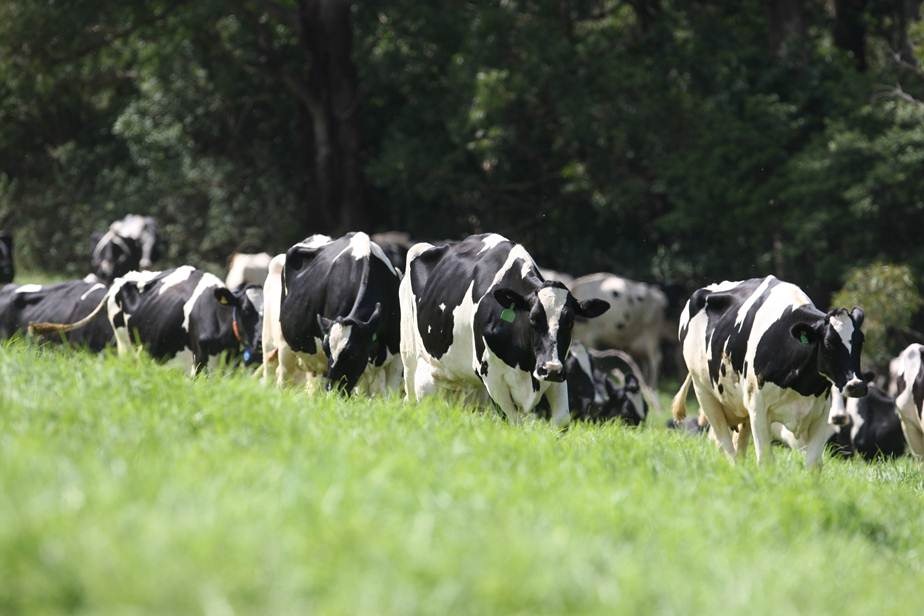
Steph first told me this story on the couch at the National Press Club in Canberra and I was fascinated. I have watched the cows going to the paddocks backwards from the dairy for years and must admit they way they do it intrigued me but never understand the “science” behind it

IMG_4149

Here is the “science” told like I will guarantee you have never heard it told before ………  


There are countless times I have said “I never thought of it like that”, and it always makes me think that well… I don’t think enough. How could I not pick up on something so fundamental? The skill of observation often sets people apart in this industry, if you have it, you’re one up, if you don’t, well… awkward! However, sometimes I tend to focus on particular things, and stop observing the bigger picture.

One example of when I have said “I never thought of it like that” was when the intricacies of cattle pads (tracks) were explained to me.

Question time! Cow pads… are they straight… or meandering?

IMG_8599

If you answered meandering, two points to you! Next question… why do they meander?

IMG_8601 

Are the cows drunk? Are pastoralists all over Australia spiking the lick for a laugh? Are cattle just not blessed with the gift of balance like the Australian gymnastics team? Nope. Is my imagination in overdrive? Yes…

The answer is to do with livestock senses. In the short time I have been working with beef cattle, I have had two main teachers who have bestowed a lot of knowledge upon me. Well I don’t know if I have said that quite right, because it is not as if they dropped a bomb of knowledge on me. I suppose it was more not just what they taught me, but also how they taught me. It wasn’t just facts and figures from a book, it was about using my skill of observation, and asking myself questions about what I was seeing and why I was seeing it.

It should come to you as no surprise that both of these people are well respected in the beef industry, and very good at what they do. They are Doug “Dougie” Jenkins, and Boyd Holden.

There is a whole spiel on livestock senses I could go into, but I’ll cut to the chase about meandering cattle pads.

IMG_8709

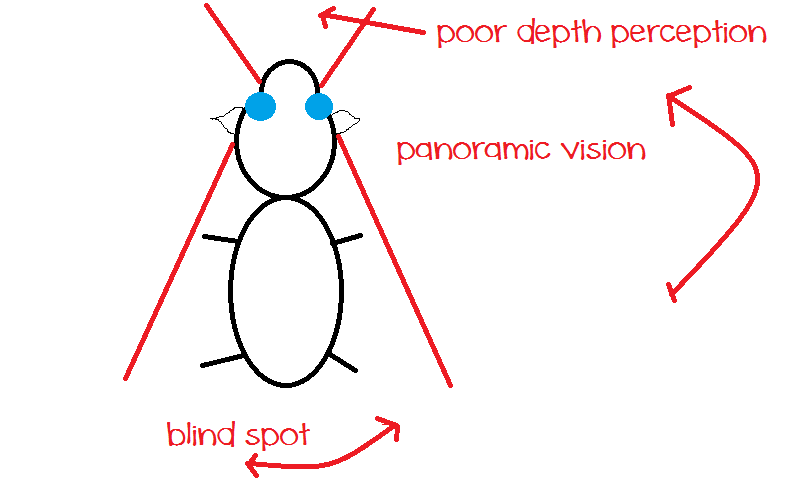
Cattle have peripheral vision. That means they have a wide angle vision, like a panoramic camera shot. They also have poor depth perception directly in front of them. Humans, on the other hand, have binocular vision, so we can see directly in front of us, but not so much to the side, and certainly not behind us!

One theory entertains the idea that our vision is dictated by our predator- prey status throughout evolution. Cattle are herbivores, they are the prey. Furthermore, they are grazing animals. Like that game we played in primary school “heads down, thumbs up”, drive past a paddock of cattle, and you will see them playing “heads down, bums up”.

Now, if the cattle are busy playing “heads down, bums up”, who is on the lookout for predators sneaking up in the grass?

If cattle had binocular vision, it would serve zero purpose to them as they had their head in the grass, munching away. They’d just be looking at grass. However, with their panoramic vision, they have poor vision directly in front of them (the grass) but good vision side to side.

cow

Now first things first- that is an awful picture, yes I am aware! It looks more like a pig than a cow.

Now back to business. So can you see in this picture, with the panoramic vision, the cattle can be scanning for predators while they are grazing? Why it is more useful for them to be able to see around them, than directly in front of them?

Next, take note of the blind spot. Even with their panoramic vision, cattle, like us, are not blessed with being able to see directly behind them, which means they are also susceptible to people running up behind them yelling things like “boo” or “RAHHH”, things other people think are funny, but as the person with no eyes in the back of our heads, things we do not think are funny…

IMG_4093

So imagine you are a cow walking around. You have poor depth perception directly in front of you, (I’m not sure if that is near or far sightedness?), good vision side to side, but then you have this annoying blind spot. That one spot which leaves you open to a dog or another predator, sneaking up behind you. Of course, being in the “prey club” as opposed to being a predator, I would be a bit paranoid on top of that if I was a cow.

So, you need to check behind you, to make sure nothing is eying you off as dinner (unless you are in a hoof and hook class and then you should be eying off that human on the other end of your lead rope!).

IMG_4095

Now, we all have that annoying friend who bumps into us when we’re out shopping, they keep looking at window displays, cute boys walking past etc… Fact is, when you turn your head, you often wander off your pathway. That’s why we have mirrors on our cars, especially those add ons which show you your blind spot! Wandering out of your lane is far worse than bumping into your friends!

That is why cattle pads meander. Cattle need to check their blind spot as they go on their way. They have fairly short, inflexible necks, so when they bend them to play peek-a-boo, it affects their whole body, sending them off course ever so slightly.

image014

Horses on the other hand, have longer, more flexible necks, are able to look behind them without such an obvious effect on their balance and as a result, their tracks aren’t as meandering.

I love learning bits of information like this. It is such an important concept to me, to be able to understand livestock senses, and why they do what they do, to be able to work with them effectively. Sometimes we are so focused on awesome research and discovering new things, we don’t discover what already is.

…. and a great night was had by all on the couch at the National Press Club as you can imagine with story tellers like this for entertainment. Thanks Steph I must admit my life is re-energised since I met you   

BTW Some more interesting stuff here via Emma http://www.slideshare.net/LandLearnNSW/cattle-whispering-emma-kay

IMG_4111

The wounds are still raw

It is now 7 days since the double whammy of one farm being covered in flood water and the other the scene of a spine chilling tractor accident. Read the original post here

Today is the day that the tractor recovery session begins

We got off to an early start with the sun shining, the birds singing and some very VERY fit people braving the Clover Hill mountain on their bikes.

IMG_9228

I was exhausted just watching them

IMG_9240

By 7 o’clock the team of experts were in place.

IMG_9243

By 7.30 everyone was starting to get very nervous with the recovery truck now bogged and a second tractor called in to pull out the truck failing to do so.  

IMG_9244

That then required more machinery to un-bog the truck

Nick was starting to think we should call the whole thing off and Michael and I were quick to agree. A quick call to our insurance broker and he was on the scene. After a long conversation with the recovery team we were assured this was a piece of cake compared to the places these experts often find themselves in such as recovering semi trailers that had gone over cliffs. So we reluctantly agreed to let the process continue and we all busied ourselves doing whatever it took to keep our minds off the task at hand and let the experts handle it.

IMG_9248

We were all very relieved to see 4 hours later not only had the tractor returned to the top of the hill so had the gator which had been bogged at the bottom of the hill with the tractor for 7 days.

So the next trick was driving a tractor with one operational tyre onto the tow truck.

IMG_9253

Its soon became obvious backwards wasn’t going to work

IMG_9260

Finally the tractor is loaded

IMG_9271

As you can imagine a lot of people will be very pleased when that tractor incident is just a faded memory

The big wet has left us a little worse for wear in more ways than one

All the details for our field day on March 26th and 27th 2012  see Future farming: research puts grass out to pasture are now bedded down. See flyer here

Jamberoo Field Day Lemon Grove Research Farm Flyer

However in typical farming fashion the weather is behaving badly and Lemon Grove Research Farm is under water

IMG_8963

The water is receding fairly quickly however with the trial paddock now reasonably water free after been totally covered in water at 6am this morning

IMG_8965

Mmh its looks like everyone will be coming to see how our pasture recovers from too much  water

The home farm Clover Hill is also waterlogged and sadly the dangers of farming are only too apparent to all the team after this accident this morning that left the tractor a write off and the driver thankfully in one piece

IMG_8996

The tractor after a long slide down the hill, an altercation with some large rocks and a couple of trees and a few double back flips.

IMG_8974

I send a special thank you to John Deere for making tractors that help save lives.

The environment is what we eat

Every now and then something that touches your heart happens. This week it was a young lady called Grace Mahon who is in Year 5 at Jamberoo Public School.

Grace entered the prestigious LandLearn NSW public speaking competition at the end of last year and she has been selected as a finalist to compete at the Dubbo Beef Spectacular on March 15.

Grace’s first round speech that caught the judges’ ear was entitled “The Environment is What we Eat. I don’t know Grace but her mother Ros tells me she wanted to focus on something local and did a little bit of internet research and found our farm.

For the finals her topic is ‘Australian vs. Foreign produce. How can we win”.  Winners, runners-up and a rising star will win cash prizes and the overall winner of the day will be invited to deliver their speech at the Sydney Royal Easter Show.

With Grace’s permission I have used my favourite pictures of Clover Hill to turn her speech into a video which you can watch here


Thank you Grace we feel truly honoured and we are very confident you will give the other finalists a strong run for their money in Dubbo next month

Food is our common Ground

Previous winners and finalists speeches can be found here

I must be a good person because I am a Christian

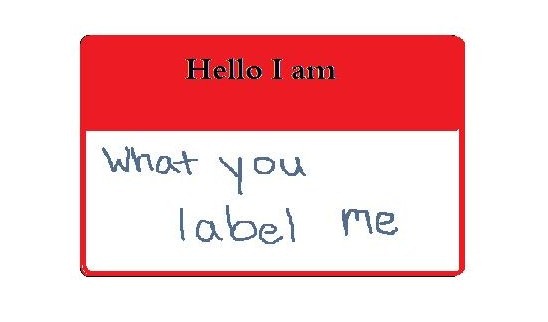
I am always fascinated by politicians who have this innate ability to have a media opportunity waiting for them as they come out of church on a Sunday or people who feel it is imperative to state their political persuasion or their religious affiliations or what they eat or don’t eat as if the label alone confers them with character, integrity, ethics and values

km-kevinatchurch_20120207085209222213

I have great admiration for many people I have worked with who I don’t have any idea if they are Liberal or Labour or Green or Christian, or Agnostic, Jewish or Hindu or vegetarians or carnivores, heterosexual or homosexual or whatever. And I don’t really care. I know them by their actions not their words that they are men and women of integrity and character. This is the type of person who I want to surround myself with and can only be determined by watching their behaviour, their track record over time in responding to all sorts of situations.

paul-mccartney-peta-advertising-campaign

What has this all to do with farming you ask. Quite a bit in fact
Life and business are far more complex than drawing a line and putting “Christian is good” on one side, and “Non-Christian is bad” on the other as one example.

label

The same applies to this ever growing propensity to demonise certain types of agricultural systems out of hand

The media is full of stories about the perils of conventional, large-scale agriculture, pointing to simpler ways of producing food that appear to be more in harmony with nature.

Large vs. small, family farms vs. corporate, organic vs. mainstream, free range vs. housed, grass fed vs. grain fed.The reality is it’s not the system it is how it is managed that really counts.
When it comes to the best approach to natural resource management and animal well-being we need to focus on measurable results that, in turn, will generate innovation and solutions to some of our most pressing problems on this planet. Not the least of which is to provide affordable, nutritious, ethically produced food that allows a reasonable return on investment for farmers that will allow them to feed a future 9 billion people and maintain life on Earth as we know it.

It is not just the community that is putting pressure on farmers. Some farm businesses and major retailers have taken to denigrating other farm management systems as a marketing tool to promote their own. The poultry industry is a classical example. How often do you see poultry advertised as “hormone free”.

Hormones0002

Not only is this is a nonsense as all plants and animals have natural hormones in them- think plant sterols in soy milk, but worse still it casts doubt into the mind of the consumer that all the other chicken on the market must actually have hormones added. Absolute myth. Hormones have not added been to any poultry feed in Australia for over 40 years! You can read all about the Australian poultry industry here

At Clover Hill Dairies we have been guilty of wearing the occasional badge of honour ourselves
Pesticide Free0001

Up until we took over Lemon Grove Research Farm we proudly stated on all our literature that we don’t use herbicides and pesticides.  When we took over Lemon Grove we suddenly found it was easy to say this because Clover Hill didn’t have plagues of army worms and red legged earth mite and nasty broadleaf weeds that grew like wildfire if let do so on the flood plain.

Lemon Grove 0003

Judicious use of scientifically validated technology is one of the great advantages developed food producing nations like Australia have over many other countries. We have rigid and well regulated systems and safety checks in place that make our food some of the safest in the world, irrespective of whether it has been derived by conventional or non-conventional methods. If we read the labels and play by the rules we can be confident that the technologies that we use on farm are safe and the food that we produce is superior and as safe as any in the world.

At Clover Hill and Lemon Grove we will always aim to produce the best quality and safest food that is grown with the best interest of the environment and animals that it comes from.

Badge with Photos  0001

However, our farming systems can not be locked into a religious type paradigm of what we think is best We must continue to adapt to our changing resource base, the seasons and climate, the economy and our markets. We also know that nature does not always get it right and some times we need to use technology to tip the balance back in favour of the farming system and the ever increasing people we need to feed.

7%0004

We must acknowledge this if we are going to keep feeding our world from an ever shrinking resource base with a market place that continually wants to pay less for food that costs more to produce. We must always use technology and innovation smartly and consider the collateral effects of its use ensuring that our management and farming practices are at best practice rather than just reaching for the key to the chemical shed or the drug cabinet.

Good article by the BBC’s Richard Black on this Farming Needs a “Climate Smart'” Revolution 

On a lighter side – Labels can mean many different things to different people

AmFsddOCIAEIgLX

and this one

Al5zX6gCQAAIGBB

Future farming: research puts grass out to pasture

Todays post comes via Kiama Independent story on our field day we are hosting in partnership with Southern rivers cma

DANIELLE CETINSKI

22 Feb, 2012 01:00 AM

A RESEARCHER could have the answer to the future of dairy farming and the solution was born in Kiama.

Research company SBScibus director Neil Moss, who lives in Kiama, has spent the past eight years developing a new kind of pasture using no grass at all.

“We wanted another way of doing things to fill gaps in the feed base,” he said.

Dairy

Dr Moss’ “salad bowl of ingredients” includes lucerne, chicory and plantain, which are all deep-rooted legumes and herbs – red clover is part of the mix because it grows quickly while the lucerne establishes itself, and the white clover fills in gaps in the pasture if other plants die out.

The trial pasture at Clover Hill Dairies’ research farm Lemon Grove at Jamberoo has already yielded some surprising results.

“We’ve found it generates 10 to 15 per cent more energy and the milk is 15 to 20 per cent higher in protein,” he said.

“We’re also getting between one-and-a-half and two litres more milk per cow per day spent on the pasture, which is a rise of five to 10 per cent.”

Dr Moss selected them from years of observations and fieldwork because they grow year-round, unlike the ryegrass and kikuyu commonly used on coastal dairy farms, which only grow in winter and spring and summer and autumn respectively.

They have deeper root systems than grass, meaning the pasture would be more resilient in times of drought.

They also rely less on nitrogen-based fertilisers, which are increasing in price, and respond to recycled effluent from the dairy.

Clover Hill Dairies owner Lynne Strong said she was excited about the research.

“It is widely recognised nine out of 10 farmers learn from other farmers and they want to see the research working in their own backyard,” she said.

The Southern Rivers Catchment Management Authority will run a field day at Clover Hill Dairies on March 26-27, allowing farmers to see the pasture firsthand.

“This field day will let regional farmers to see the results we are getting on our farm and allow them to determine if they think it will fit into their farming system,” Mrs Strong said.

It will include presentations on sustainable farming, soil health and the Australian Government’s Carbon Farming Initiative, including how to generate carbon credits.

Mrs Strong said the presenters were experts in their fields, including Dr Moss, Richard Eckard from the University of Melbourne, Mick Keogh from the Australian Farming Institute and Louisa Kiely from Carbon Farmers Australia.

Also speaking is Steve Wiedemann

Presentation topic:  Carbon and Nutrient Efficiency; Opportunities for dairyfarmers

Profitability and sustainability are front and centre issues for dairyfarmers.  One unlikely area where there may be opportunities to win on both fronts is from the manure pile.  Steve Wiedemann will speak about the carbon and nutrient opportunities that exist for dairyfarmers through improving effluent and manure management.  This will be a practical look at how to best utilise the resources that remain in waste streams at the dairy and in the paddock, and how to set a path to reducing some costly fertiliser inputs. Beyond the farm gate, we’ll also look at how dairy farmers might be able to participate in the carbon farming initiate by getting paid to reduce their emissions.

Technical summary:

  • Nutrient and carbon flows around the dairy farm – what they are and what they tell us
  • ‘Waste energy’ – how to capture this (Anaerobic digestion at the farm scale)
  • ‘Waste nutrients’ – where do under-utilised nutrients end up on a dairy farm and what can be done about it?
  • How increasing productivity can lower your carbon footprint
  • How emissions capture may lead to carbon credits

Bio:

Steve Wiedemann is a carbon and nutrient management specialist with FSA Consulting, based in Toowoomba Queensland.  Steve is currently running a number of national R&D projects looking at the carbon footprint of livestock enterprises, is a member of the livestock technical committee for developing Carbon Farming Initiative methodologies, and works regularly with a wide range of famers in the area of nutrient management.

If you would like to attend the field day, email peter.pigott@cma.nsw.gov.au or phone on 4429 4449.

A friend in need

Michael bought home a friend in need this morning

He found this little guy injured on the road and wrapped him up and bought him home

IMG_8595

He has tyre tracks from head to toe

IMG_8596

We put him the shade gave him a little water and rang WIRES on 13 000 WIRES

As it turns the WIRES hotel in our region has no vacancy. So we are going to care for this little guy under supervision of WIRES

IMG_8616

We have cleaned all his wounds which appear superficial except for a very deep cut between his ears with warm salty water, found him a nice big cage in the shade with some juicy grass underneath and WIRES are coming later to review him and give him antibiotics and pain relief if necessary

IMG_8623

So far so good.

Now for a name – any ideas

All the way from Lantanaland we have a name – DUNLOP

IMG_8627

A few hours later Dunlop is making a strong statement “I am wild animal and I should not be caged and I am out of here” Fair enough Dunlop we can assure you we agree 100% and will let you out as soon as WIRES says its okay

WIRES have now come and gone and sadly Dunlop is not as well as we had hoped

IMG_8628

The pads on Dunlop’s feet are all torn and apparently this is not good. She is very thin (yes we now know Dunlop is a she) and it appears may have been doing it tough for quite a while before she got run over.

So WIRES have taken her away and will take her to the vet tomorrow. OUR FINGERS AND TOES ARE CROSSED

IMG_8633

Michael is very upset about his little friend she seems so tough lets hope she makes it

DAY 3 Update on Dunlop

After a visit to the vet, pain killers and antibiotics Dunlop is now drinking her milk bottles and nibling on grass prognosis is improving – Good News indeed

There are lots of things you need to know if you are caring for Marsupials some info here http://www.marsupialsociety.org/hand_rearing.html

Some generations embrace technology a lot faster than others

RIP JOHN LAWRENCE LINDSAY 9TH FEBRUARY 2023 AGE 92

6th February 2012

This weekend my dad came to visit and he took home is new toy, which I must say he mastered in quick time

IMG_8123

John and his new ipad

Now John has a sense of humour very like  Michael  Trant ,so we added his blog  to his list of favourites

Check out his face as he reads through The Golden Rules of Farming

IMG_8126

Update 10 years later in  John’s 92nd year Michael Trant is a published fiction author ( and a very good one) So it was a no brainer that John would be sent an autographed copy of his book for his birthday

Now I am a 6th generation dairy farmer’s daughter of a 5th generation dairy farmer who turned beef farmer as soon as the opportunity arose. I can always remember John telling me from a very early age “Lynne never ever learn to milk a cow”

As is usually the case when John comes to visit there is quite a bit of reminiscing about his life growing up on the family dairy farm at Dapto.

John’s sister my Aunty Ruth recently wrote the family history and below are some extracts which shed some insights on my grandfather Walter Dunster Lindsay and what it was like to dairy in the Illawarra in the 1930’s to 1950’s . You can also see why John would have found milking cows with his father pretty frustrating. The post also gives some insights into why many farmers in the Illawarra were never particularly fond of the Dairy Farmers Cooperative who had a reputation for being very ruthless with their competitors

Some previous background can also be found in this  post 

Extract from Lindsay Family history by Ruth Rae

Walter was born into a dairy farming family well known in Dapto and throughout the Illawarra of that time. His ancestors had all been farmers, leaders in the community and very well respected.

He was a gentle man, slow to anger and rather shy. This shyness may well have been because he was born with a harelip and cleft palate, neither mended with today’s skills.

Walter Lindsay ( 2nd from the right in the bottom row) 

He probably took more interest in his children than he showed but he seemed to have all the conservatism and indifference to his young family that he claimed his forebears displayed so abundantly. He left his wife, Ethel, to dispense both tenderness and discipline.

Ethel Lindsay in 1978

Only once did he show anger and act upon it. That was when he was obliged to return to the dairy late one evening and did some damage to his shins when he tripped over his son John’s bike which had been carelessly left on the ground just outside the gate from the house. John, despite his protests, was the recipient of a sound hiding according to the traditions of justice of the day. It was only later that it became clear that it was a workman who had borrowed the bike, and not John, and had thrown it on the ground at the gate when he had finished with it. None of the children ever received any form of punishment from their father from that day on.

He did his work slowly, thoroughly and methodically, illustrated by his technique for washing up. He took responsibility for this within the dairy for half a century and, after retirement, continued it into the kitchen. First everything was rinsed, then washed immaculately, then rinsed again. It took all evening for he suspected that detergents had hidden implications for health. When he weeded a garden the result was just perfect and raked evenly to a fine tithe.

His conservatism extended to all things mechanical and, when a shortage of labour during the war forced Lindsay Bros to buy a milking machine, it was taken on with extreme suspicion and reluctance. For most of the war years the cows were milked by machine in the morning because it was the only way to get the job done and by hand in the afternoon when an extra person was available. Even with the machine his distrust was such that he always sat down and verified that the machine had done its work properly by doing a short finishing milking, or stripping as it was called. The cows gradually got used to this and saved up some of their milk for the hand milking so that some of them gave as much milk the second time around as they had initially given to the machine. Consequently milking 80 to 100 cows took an eternity and an inordinate amount of manpower- 6-7 hours a day plus another 2-3 hours for washing and cleaning the dairy equipment.

Milk machines sepia

In 1864 the first attempt to introduce milking machines to dairy farmers in Australia was made. However the machines were met with great suspicion and cows continued to be milked by hand twice daily seven days a week for many decades to come. Strange but true!

There was not a lot of time for other farm work or recreation and he indulged in very little of either. This remained the case until the “Kararra” herd was dispersed in 1958.

It was many years before he could afford a car (his brother Eric owned one and that was the family car) but he was very pleased with the one he bought and he drove it skilfully and well.

He had a good relationship with Eric and they had nicknames for each other. Dad was ‘Andy’ when Gug was ‘Horace’ while, in other gender mood, Gug was ‘Katie’ and Dad ‘Lena’.

Walter and Eric began to value add (to use a modern expression) to their dairy farming activity by becoming vendors of milk. Eric was the entrepreneur (to use another modern expression) and Walter the anchor man. To upgrade the herd Eric went to New Zealand and bought a prize bull.

scan0042

Dairy Farming in the blood – 6th and 7th Generation dairy farmers Lynne and Nick Strong collecting Champion Holstein Cow trophy  at Albion Park Show 30 years ago –

It became an extremely successful business and WD & ES Lindsay, later to be called Lindsay Bros, was, at its height, retailing more milk in the Wollongong-Port Kembla district than any other firm including the Dairy Farmers Cooperative Milk Company. Some 8 or 9 farmers in the district sold their milk to the firm and this was cooled, stored and distributed through some 3 domestic milk runs and a wholesale network that included almost every milk bar and general store from Dapto in the south to Austinmeer and Coaldale in the north.

milk to factory horses sepia

Eric would go to bed early and set off in the wee small hours with a laden truck to start the day’s distribution. Particularly in the hot months he would leave the milk in the cool room till the last possible time necessitating the early rising. After the war draconian and unfair government regulations were imposed that forced all other farmers to sell their milk only to a government agent which was the rival Dairy Farmers Milk Cooperative.

Milkman Delivering Milk

The Dairy Farmers Cooperative was a ruthless competitor

With the loss of their major source of supply, Lindsay Bros were forced to sell their domestic business and retain only the wholesale business in the city of Wollongong itself. Their milk was subjected to regular and intrusive testing, while that of the rival company was not, but was always found to be well above the prescribed norms. Eric bought the farm, “Kembla Park” and a subsidiary dairy was set up to augment the supply of milk. Lindsay Bros also bought a small farm at Albion Park to run dry and young stock, but the retail business was only a shadow of its former size. The company could not afford or warrant upgrading its machinery to enable processing and pasteurization which were beginning to be an important part of the industry and the business and herd were sold in 1958. The Dairy Farmers Coop bought the plant which they scrapped to forestall potential competitors but the herd, which had become well known for its productivity in the State herd testing scheme, attracted excellent prices for the time. Walter was 65 at this time and Eric 64 so retirement was timely option.

Dad and Mum fell in love 7 years before they were married, the first of his family to do so. They had to wait for several reasons: her responsibilities to her parents (her two sisters had moved away and were working) and the need to have a home when the farm was established. Karara only had on it a weatherboard old house with no facilities whatever and a cloying smell of dust and age. There was also the matter of religion – he, Protestant and she, Catholic. The exact details of the arrangement that allowed this to happen were never divulged but Mum was presumably excommunicated from the Catholic Church because she never attended mass again. They were married in St Phillips in Sydney and went home to a rented house called “Lakeview’ at Unanderra- a house with no electricity and home to a host of possums. Gug joined them and lived with them for the rest of their lives. Dad spoke of the Catholic Church only with bitterness but he always avoided mentioning the subject of their marriage.

Fortunately, the acrimony did not extend beyond the church and the Carr and Lindsay families had an extremely good relationship.

After the business was sold the garden became a pleasant hobby. He had always had a love of nature and knew all the birds around the farm. He watched them nesting and was so determined that they would not be disturbed that he told nobody about it.

The Kararra Garden in the late 1960’s regularly won the Wollongong Open Garden Competition

I often regret not having been allowed to share his knowledge. Mum would always consult him before hanging out the washing, and I can’t remember that his forecasts were ever wrong. I understand that he had only one year of secondary schooling, but he must have absorbed a tremendous amount of knowledge later as he read the Herald from cover to cover.

One very cold winter when Dad and Mum were house-sitting in Cowra for John and Robyn, I sent them an electric blanket. This was a sheer delight to him – there was only one control and he would set it to keep very warm, while Mum, who couldn’t spoil his enjoyment, slept with both feet outside the sheets. When small battery radios came in he considered it pure heaven to lie in a warm bed, head in the cool air, listening to news from far places. Then I would be called in to prepare a very large, cold milkshake which he drank with gusto before turning out the light………

As I said my dad is 82 but he is determined to live life to the fullest and we couldn’t help but laugh when he couldn’t leave without first putting his destination into another toy his Tom Tom – after all he has been driving from the Illawarra to Cowra for almost 60 years

IMG_8130

Check out those low profile tyres

PS John hope you enjoy reading this post

Found a little bit of family history in particular the legend John was named after here

John Lindsay was a prominent pioneer of the region with strong ties to the growth of cattle breeding and dairying in the Illawarra. His success at cattle breeding- notably the string of competition victories for Honeycomb brought Lindsay to the attention of breeders throughout New South Wales and beyond. Due in part to his extensive landholdings at ‘Lake View’, he became a prominent character in the civil life of the bourgeoning township of Berkeley and Albion Park. He was the son of George Lindsay, another noted figure of the area who is credited by some to be the first man to send butter by keg from the Illawarra to the lucrative Sydney market.

John Lindsay was the second son of the noted farmer and local pioneer George Lindsay.

George Lindsay was born in 1802/5 at Fintona, a village in County Tyrone in Northern Ireland to William Lindsay and Mary Simpson. In 1826 at Fintona, Ireland he married Jane McCauley. They had four sons and one daughter prior to their migration to Australia. The children were named (in order of birth) William, John, George, Anne and Thomas Francis.

William: b. 1829 d. 1881; married S. Bryen
John: b. 1832 d. 1894; Kembla Park, Unanderra; married Jane Musgrave
George: b. 1834 d. 1896 Sunnyside, West Dapto; married Eliza Little
Anne: b. 1838 d. Berwick, Victoria; married James Wilson
Thomas Francis: b. 1840 d. 1889 Unanderra; married Sarah Philips

The Lindsay family emigrated to Australia, arriving per Orestes in Sydney on 14 May 1841, settling at Charcoal Creek. George and Jane arrived with the intention of becoming a farmhand and dairywomen respectively, and were brought over by A. B. Smith & Co. A bounty cost of seventy three pounds had been incurred.

George Lindsay opened a small store in Unanderra and secured two properties- one at Mt. Keira and the other at Charcoal Creek (30 acres), approximately one mile from the present Unanderra Railway Station. In 1843 George received a 35 acre gift from the N.S.W. government. With the assistance of his four sons, George commenced dairy farming and mixed farming (potatoes and wheat) at Lake View. This was brought to Wollongong by a horse and dray which was a common practice for the day before the Illawarra railway line had been extended to accommodate more rapid transportation of produce. It has been claimed that George Lindsay was the first to send a butter keg from the Illawarra to Sydney. This exchange was extended in coming decades with the Sydney market offering the greatest prospects for the sale of dairy products from Illawarra farmers.

The sons of George Lindsay continued dairy farming at Lake View. John Lindsay became one of the most well celebrated dairy farmers of the region. He commenced farming on the 35 acre farm that was given to his father by the Crown. When the property became too small for his operations, he rented a part of the Keelogue’s Estate, where he remained until 1859 when he retired temporarily from dairy farming. In the same year, Lindsay purchased Kembla Park, where he built a home for his family, and 200 acres from Berkeley Estate and two other properties adjoining Kembla Park that were 105 acres and 45 acres respectively. Beyond this property, John purchased 60 cows from Berkeley Estate. On the 19th of November 1866, John’s father, George Lindsay passed away at “Kembla Park” or “Lake View”, Unanderra. He was burred at St. Luke’s Brownsville.

John Lindsay and his wife Jane Musgrave were parents to four daughters and four sons during their time at Unanderra. The children were named (in order of birth) Ann Jane, George, John, Eliza, Sarah Jane, Thomas William, Charles Love and Lavinia Florence.

Ann Jane: b. 1853 d. 1903 Unanderra; unmarried
George: b. 1855 d. 1946 “Horsley” West Dapto; married 1886 Sarah I.H. Grey
John: b. 1857 d. 1930 “Horsley” West Dapto; married Mary Dunster
Eliza: b. 1861 d. 1944 Kembla Park, Unanderra; unmarried
Sarah Jane: b. 1863 d. 1948 Penrose Dapto; married Evan Eustace Evans
Thomas William: b. 1864 d. 1941 Kembla Park Unanderra; unmarried
Charles Love: b. 1868 d. 1950 Wollongong; married Margaret Campbell
Lavinia Florence: b. 1870 d. 1907 Kembla Park, Unanderra; unmarried

The timing of the purchase of two properties “Horsley” and “West Horsley” by John Lindsay is contested. One account suggests “Horsley” was purchased in 1876 by auction. The property “West Horsley” which is correctly identified as being located east of “Horsley” is also recorded, though the date and method of purchase is absent from the account. This account is listed in Illawarra Pioneers Pre 1900, which was compiled by the Illawarra Family History Group Inc. and published in 1988 (page 102). A second account of the purchase is provided by Arthur Cousins in Garden of N.S.W., published in 1948 (page 110). This account records the purchase of “Horsley” as occurring in 1866, with the purchase of “West Horsley” occurring a few years later. “Horsley”, a property of 500 acres, is listed as being purchased from Miss Brooks. It is claimed that John Lindsay established his son George at “Horsley” and another son John at “West Horsley”.

I think this is a pix of my great Aunt’s at West Horsley

In 1878 John Lindsay created a minor scandal amongst his fellow dairymen in the region with his supposedly extravagant purchase of a finely bred Ayrshire bull, The Earl of Beaconsfield, from Mr. Buchanan of Berwick for £100. In addition, he purchased two bulls, two cows and two heifers (all Ayrshires) from his brother-in-law, James Wilson. The risk paid off substantially for Lindsay by enabling him to establish a herd that was celebrated above all others in the Illawarra. From the herd he bred Honeycomb, which became the champion NSW cow of its day.

When the price of butter had declined to 6d per bound, John Lindsay together with James and Thomas Wilson of Victoria established a cheese factory at Brown’s old flour mill, located in Brownsville. The plant installed at the factory was brought up from Victoria. Local dairymen supplied the factory with milk that fetched a price of 3½d. per gallon. Within a few months the price of butter rose and the milk supply collapsed when it became redirected towards butter production. The factory was subsequently closed. In 1894 John Lindsay died at Kembla Park, Unanderra. He was buried at St. Luke’s in Brownsville, like his father George Lindsay. A cheese press used at the factory is also held in the collection of the Illawarra Museum. It is a double screw model constructed from cast iron and tin components.

In 1969 a small snapshot of John Lindsay’s time at “Kembla Park” was revealed during the demolition of buildings on the site. A bottle containing several items was found. The first of the bottle’s contents was a threepenny coin made in 1881 that had a small hole at the centre. The second item was a copy of the Wollongong Argus, dated 1 September 1886. Also found in the bottle was a letter that read,

“Kembla Park, Unanderra. This letter was placed under this stone on 2nd day September 1, 1886. This dairy was built for Mr. John Lindsay J. P. by Mr. William Newson for one hundred and ninety pounds. He was the largest ‘Ayrshire’ breeder in the colonies and was the largest prize-taker both for cattle and butter; list of children; September, 1886.”

On the back of the doubled sheet was written-

“Latest events: Sydney Agricultural Show; Quarter Sessions; The first Wild Flower Show ever held at Dapto; the first Ball at Unanderra.”

Where does my grandfather fit in?

John: b. 1857 d. 1930 “Horsley” West Dapto; married Mary Dunster and they had 10 children 

Muriel born 1887 died 1961

Charles born 1888 died 1964 married Eileen McPhee

Joseph Roy born 1890 died 1929

Walter Dunster born 1893 died 1967 married my magnificent grandmother Ethel Sarah Carr

Eric Stanford ( my favourite great uncle) born 1894 died 1970

Estelle born 1897 died 1962

Harold Thornberry born 1895 died 1959

Doris born 1899  (Aunty Dos – very fond memories of this lady) died 1980

Hilda born 1900 died 1963

Hilton Born 1902 died 1964 Married Edith Martin

Eric Lindsay , Doris Lindsay ( front ) and Soey Dunster

[Source]

Garden of New South Wales: a history of the Illawarra & Shoalhaven districts 1770-1900, Cousins, Arthur, Sydney: Producers’ Co-operative Distributing Society Ltd, 1948, pp. 109-111

Illawarra Pioneers Pre 1900, Illawarra Family History Group Inc, Wollongong: The Group, 1988, page 102

When art becomes the voice

Our eco warrior Erin Lake is leaving us to take up her placement in the Graduate Program for the Department of Sustainability, Environment, Water, Population and Communities (SEWPaC). This department is responsible for a lot of things including a commitment to  conserve Australia’s environment and to promote sustainable living within Australia.

Erin is perfect for this position which is offered to people who demonstrate leadership potential, enthusiasm and initiative

Erin is particularly hoping to work in the Land and Coasts division (which look after initiatives such as Caring for Our Country), where she will be able to apply the fundamental knowledge she has gained while working on ground, to achieve the best outcomes for managing Australia’s natural resources.

See previous posts about Erin here

Custodians of the Land

Next Gen Giving our Farm lots of TLC

Start the day with the perfect cocktail

Erin and Megan Rowlatt who heads up Illawarra Youth Landcare are the driving force of a group of young people who are not only passionate about the sustainability of the planet they are actually doing something about it.In fact Megan is the current NSW Young Landcarer of the Year.

IMG_6258

Megan and Erin in full flight

Together we have been coordinating a number of activities which include film and social media and now art to engage, enthuse, educate and empower both farmers and rural landholders who care about their land but don’t necessarily have the skills sets to ensure the best outcomes for the landscape and the native animals.

IMG_6281

We are using art to reinvigorate Landcare messages and Erin has left us with these superb artistic reminders ( made from 44 gallon drums) of her time with us..

IMG_8069

Drum Art is now protecting endangered and treasured native species at Clover Hill

The drum artworks are Erin Lake inspired masterpieces painted by artists from La Division. This is a highly motivated group of young people who showcase the talent of local artists and share their passions through art, film, photography, surf and skate.

Visit LA’DIVISION Facebook page here

The label, La Division, is an outlet to produce clothing to help support local artists. La Division artists have been supporters of many community events including Landcare Illawarra’s Dune Day festival and the recent KISS arts festival.

IMG_4587

LA’DIVISION artist at Dune Day

One of the great things about art is it enables participation from people of all ages and backgrounds. Its highly visual. It captures attention. It ensures people stop and think and appreciate

LA’DIVISION artist Trait said “Painting tawny frog mouths and fleshy fruits on 44 gallon drums is not exactly traditional street art but it was a great challenge and an even greater cause” 

IMG_8080

Erin Megan and Anna plant our special trees

IMG_8079

Each drum lists the botanic name and the common name of the species it is hosting and providing shade and shelter for

IMG_8099

This drum has the prestigious role of hosting the endangered  Illawarra Socketwood

What a great idea Erin and what great outcomes

We finished the tree plantings with a celebration party to say a big thank you to Erin and wish her all the best in the “Bush Capital

IMG_8111

Erin will be christening her new job with a bottle of the delicious Clover Hill Champagne 2001 Vintage


Special thanks to LADIVISION artists

Trait

Mirko Sossai

Boyd.e

Chris Anderson

Start the day with the perfect cocktail

IMG_7775

This weekend Erin (see Next Gen giving our farm lots of TLC) has bought the troops in to put the finishing touches on our Fountaindale Dam project

Fountaindale Dam is a beautiful area bordering our farm but was sadly suffering from benign neglect and we have taken it upon ourselves to build community partnerships to help rectify this.

IMG_7909

This important community area covers diverse environmental zones including the headwaters of Fountaindale Creek which flows into Minnamurra River and wetlands.

Fountaindale Dam 10001

Red circle indicate area of Fountaindale Dam at Jamberoo

Whilst the dam borders our farm it is actually owned by Kiama Council who built it a long time ago in the hope of supplying Kiama with water. An expensive pipe dream as it turned out.

IMG_0139

Lots of farm generations have had fun playing under the dam wall

Above the dam are a number of hobby and lifestyle farms and many small mountain streams which bisect significant areas of high conservation value remnant rainforest feed into the dam. The hobby and lifestyle farms unfortunately in the main don’t fence their cattle out of the waterways and this has led to considerable degradation of the upper stream beds during the drought.

The region is also habitat for the spotted quoll – a beautiful little native animal (which also has a penchance for chooks)

Spotted quoll

Spotted quoll cute and endangered but don’t let him near your chickens

Zieria Granulata is an endangered shrub found only in the Illawarra region of NSW and also thrives here.

Siannon CtG 0008

With the support of Kiama Council and funding from a Community Action Grant and Erin’s expertise we cleared the invasive evil lantana from the banks of the dam.

IMG_6357

Lantana is considered to be one of the ten worst weeds worldwide but it is so entrenched in the Australian landscape its thickets now provide a substitute habitat for a range of animals, including bandicoots, whipbirds, quail, wrens, birdwing butterflies and brush turkeys, where it has replaced the natural understorey vegetation.

IMG_0230

Every wise landholder knows removing Lantana is a waste of time unless cleared areas are revegetated with native trees or pasture immediately and regular maintenance is a must until the vegetation is well established.

Fountaindale Dam Jan 18th 2011  (8)

Once we had cleared the Lantana we sowed ryegrass in the open areas and did spot spraying of secondary weed nasties in the rainforest understory.

Jack's Paddock

We ensure all our paddocks around the dam have a permanent pasture coverage which helps keep the nutrients on the pasture where they should be and not washed into the waterways during major rainfall events. 

This weekend Erin and her eco warriors have planted a further 400 rainforest tree species such as Black plum, bleeding heart and myrtle ebony as part of a new wildlife corridor.

IMG_7821

Petrol powered plant auger makes light work of digging the holes

IMG_7809

We even landscaped the backyard of our friendly neighbourhood wombat

IMG_7886

Michael bravely put his hand up to plant all the Giant Stinging Trees (Dendrocnide excelsa)-

The purpose of these plantings is to strengthen the existing wildlife corridor that links the lower rainforest to the rainforest around the dam. Once the trees in the wildlife corridor are established we will be planting rows of native grasses to act as a nutrient buffer zone between the pastures and the dam. This will ensure minimal farm runoff can get into the community waterways and help reduce the nutrient load on the waterways.

IMG_7903

All the rainforest trees that have been planted here have been provided by Landcare Illawarra as part of the “Illawarra Rainforest and Woodland project”.

This project aims to increase the genetic diversity of plantings in the Illawarra which has the potential to increase the level of fruiting of individual species. This is an important project as it aims to ensure genetic variability in the many species selected. Landcare Illawarra has collected seed from multiple locations to guarantee this.

IMG_7799

Many hands make light work and another great effort from Next Gen Eco Warriors

IMG_7852

Heads up today is Erin’s birthday – you can wish her happy birthday and tell her what a great little eco warrior she is via Twitter @ErinLake_C2G