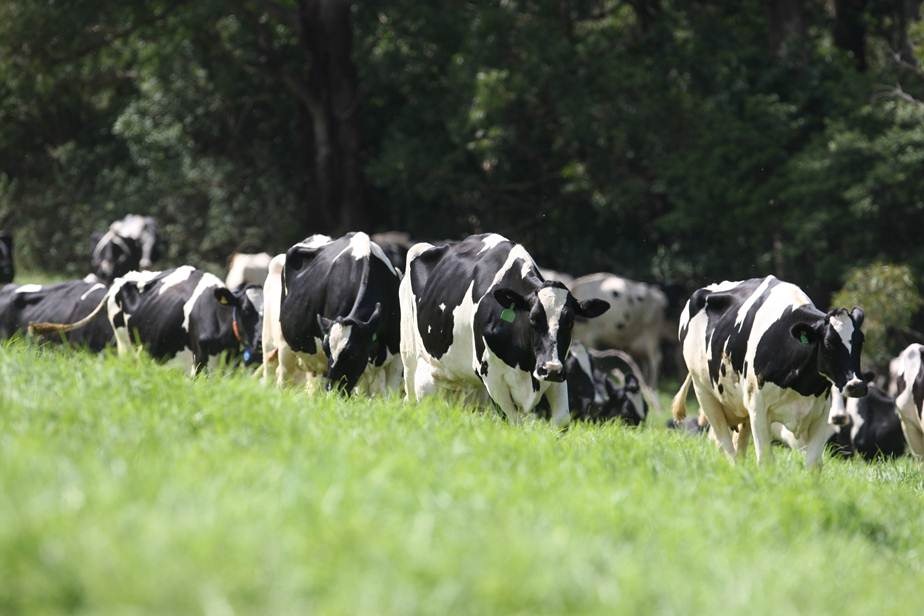
Sydney Royal Easter Show – a career maker

Today is the last day of the Sydney Royal Easter Show and this blog will highlight just how influential a Sydney Royal Easter Show experience can be on Next Gen agrifood sector entrants

Background

We all know young people are the key to success for the agriculture sector and those involved in the sector also know that agriculture has talented young Australians ready to take on the challenge of new and emerging job roles set to dominate the industry.

In my role as National Program Director for Art4agriculture our network is committed to identifying and engaging these exciting young people We are also grounded in the conviction that investing in our young people needs to be made a top priority and we take every opportunity to providing a vehicle to give these young people the profile they deserve

I was introduced to Sharna Holman via the Twitterverse when I noticed her tweeting about the School District Exhibit display. She was obviously a proud supporter of the winning school Muirfield High and she was including people of influence (like pollies) in her tweets.

Having judged the school district exhibits it appeared from Sharna’s tweets she may have extensive insights into the behind the scenes development of a school district exhibit I contacted her and found an amazing young woman with a great story to tell about many things but in particular the influence of the Sydney Royal Easter Show has had on her career pathway

So of course what did I do I asked her to share her story with you as today’s guest blogger

The Sharna Holman story…. 

Hi, my name is Sharna Holman, and I am currently in my first year of a Bachelor of Science in Agriculture at the University of Sydney. I am your normal ‘city girl’ having had no real experience on a farm but from an early age I loved animals.

It wasn’t until starting high school when I chose to study agriculture as an elective that my passion for agriculture sparked.
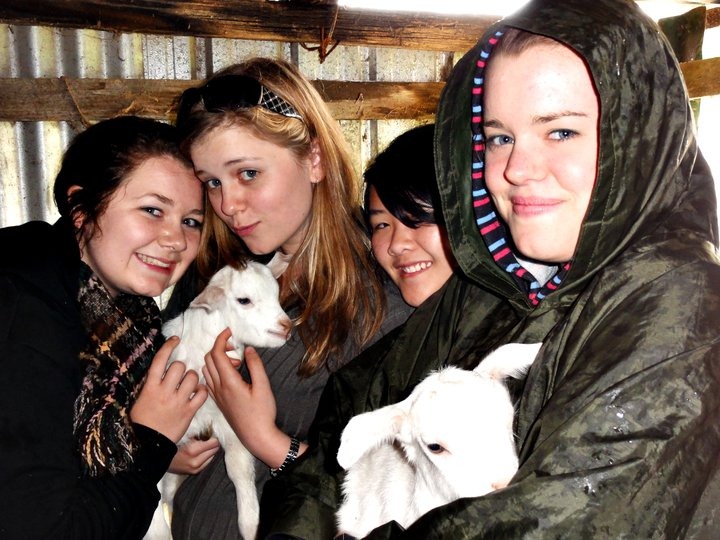
bathurstexcursion2

I attended Muirfield High School in Western Sydney The school has a 4 hectare farm which allowed us to have cattle, sheep, alpacas, pigs, chicken, bee hives, and of course the obligatory vegetable patches. I soon found I loved learning more about the links between farming and food, and all about agricultural production. I particularly enjoyed  Years 11 and 12, when our teacher Ms Heap took our class on excursions and camps to Camden and Bathurst, and we had a chance to go onto working farms.
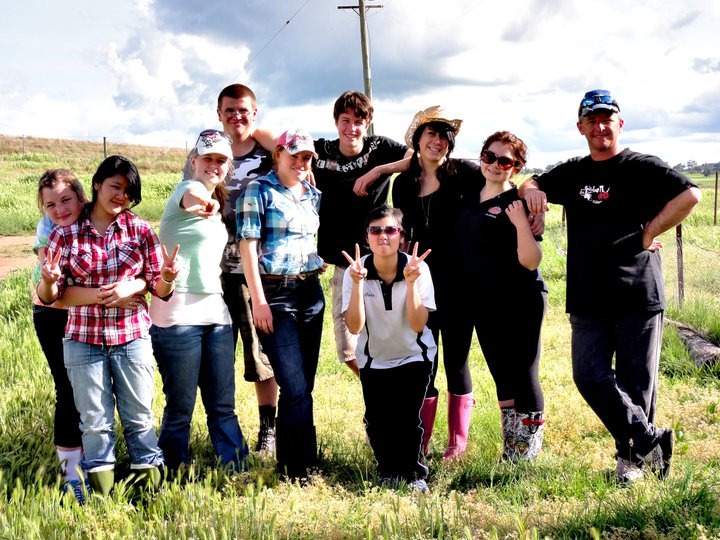
bathurstexcursion1

The school agricultural camp to Bathurst is an opportunity for year 12 agriculture  students to see some working farms and have hands on experiences of some examples of the issues we study at school such as erosion. We also went to the livestock saleyards, and saw how sheep and cattle get sold. We helped draft the sheep, and give vaccinations. On another sheep property we visited they were shearing the sheep, so we were able to see how that was done and how they handle the wool once it was shorn.
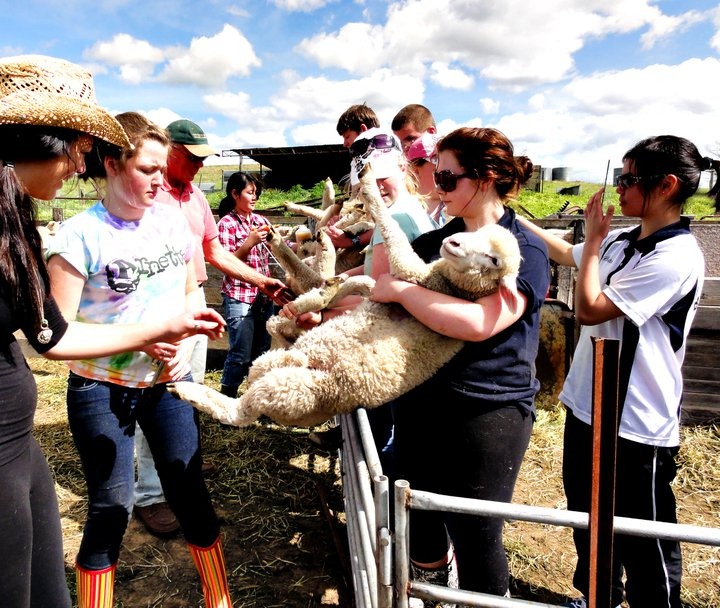
bathurstexcursion3

As element of the HSC agriculture is a product case study, from the farm to the supermarket. Our class studied milk. As we had already seen the dairy at the Elizabeth Macarthur Agricultural Institute, our teacher organised a tour of a goat dairy. The owner of the goat dairy was able to explain more about the niche market she was in, and sampled the products which was an experience in itself as many of us had never tasted goat milk products before. The camp is great as it is one thing to study something in a classroom; it is so much more powerful and increases knowledge retention rates by seeing and participating in a real life situation.
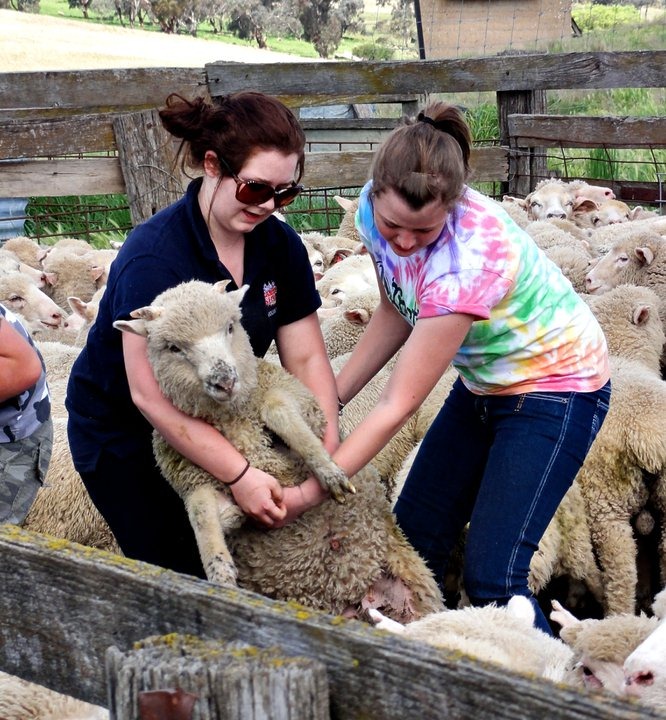
bathurstexcursion

When I was in Year 10, I was a volunteer at the Sydney Royal Easter Show which was an amazing experience on so many levels including providing insights into consumers knowledge ( or lack of) of paddock to plate production

I loved working at Australian Egg Corporation Ltd area in the Food Farm. This area has changed for 2012 show but when I volunteered here kids could come in and paint eggs.

Day 2 RES 8

It was a lot of fun being a volunteer; I was able to see more of the show as I was in there for most of the days. I think that year I saw nearly every event. Also I found that volunteering at the Easter Show helped boost my confidence in talking to people because you speak to all sorts of people at the show.

Day One RES 3 _Small_

It was my Sydney Royal Easter Show experiences from volunteering and then competing as part of Muirfield High School Show Team and then the opportunity to steward at the show that sparked my interest in agriculture as a career and all the doors and opportunities that it opened up.

Its showtime

I was part of the Muirfield High School Show Team that competed in the Schools’ District Exhibit Display Competition, which began in 2010. It was this competition that really helped me decide that agricultural career was the path I wanted to take.

display5

Everyone you talked to at the show had a story to tell, and they were all so different and interesting. The thing that resonated for me was that everyone loved what they did and they were living a life that made a real difference.

The big ideas for the Muirfield High School District Display Exhibit always come from something that is relevant to agriculture in the 21st century. We know our display gives us the opportunity to tell an important story and engage the audience and prompt discussions about the importance of farmers and farming.

display2

In 2011 we used the Agriculture Higher School Certificate Syllabus as our inspiration with the theme for the display ‘Australian Agricultural Research, Stepping up to the Challenge’. During 2011, it was predominately the Year 12 Agriculture Class working on the display, and as our elective for the HSC was ‘Farming in the 21st Century’ we decided all the research we did for the HSC would make the perfect “big idea” for a display featuring a large rotating DNA double helix. The aim was for people to walk away from our display reflecting on the science underpinning agriculture productivity and innovation and where it will go next.

This year’s display involved students from Year 8 to Year 12 and was themed ‘It all starts with us, Australian Farmers; One World, One Plate’ with the big idea coming from the Australian Year of the Farmer, The display provided a timely reminder that each and every one of us is linked by our need to feed and clothe ourselves

Sydney Royal, April 20121

Teamwork is the key and a diverse number of people and skills are needed to design and create a School District Exhibit display. Art students are needed to help with the painting and designing of the backboard and the arrangement of the display. While Design and Technology students are needed to assist with mechanics of moving elements in the display, of which Muirfield High School has a running tradition of recycling microwaves to make things rotate. A large amount of time is involved in creating the backing boards which are covered in seeds. It is also very important that the judges see only the best examples of Australian produce.

Muirfield High School is extremely lucky as they have an amazing support network coming from both the local community and the Western District Exhibit Display.

Sydney Royal, April 20128

It is common to see parents on the Sunday before the show starts parked out the front of the school with trailers attached to cars to help transport all the backboards and display gear to the show without even having to be asked. The teachers are also wonderful with many teachers giving advice on how things look, such as the art teachers sharing that bold and clear lines are best. Teachers also give up their time throughout the holidays to assist students in manning the display. The team at the Western District are fantastic! They are always keen to share advice and tips. Something that I learnt from them in the first year that the school participated in the competition was that you use hairspray to get the fruit to shine. Western District also supplies Muirfield with majority of the seeds and produce used in the display. It isn’t unusual to see Muirfield High School students walking up and down the Woolworths dome with pumpkins, apples, and bags of seeds in their hands.

IMG_0140

Muirfield and Western District have developed a close relationship over the past few years being involved in the School’s District Display Competition. Often students take breaks from working on their display to go down to Western and see if they need a hand with their display. Students also get invited down to have lunch and hang under the display with the team from Western as well. If you ask the Muirfield students who were part of putting together the display, most are keen to move up to the bigger league and help out Western District once they have finished school!

IMG_0825

The Sydney Royal Easter Show is where as a ‘city girl’ I can go and see the work of our farmers in their cattle or sheep, or the work that goes on to get the horses ready for their classes. But being involved in the show, and knowing the hard work that goes on months before the gates open has changed how I see the show. Farmers and exhibitors don’t just stop working once the show is over, the Sydney Royal Easter Show gives them an opportunity to be proud of the work they have done over the past year, and proud of everyone, in all parts of the agricultural industry.

After speaking to agricultural professors and students at the University of Sydney I knew a Bachelor of Science in Agriculture was for me and was excited by diverse areas of speciality and careers that it would open up for me.

At the moment my passion is biotechnology and genetics, but with all the different areas of specialisation you never know what direction you will follow.

What excites me is I know I part of new generation of young people in agriculture working on important issues that affect not only us in Australia but everyone around the world and I can’t wait to get out there and play my role.

I’m also a big believer in getting young people involved with agriculture at schools and at their local shows. Getting students involved at local shows and on school farms is a way of showing what agriculture really is; fun and exciting! The more students get involved with agriculture, the more myths can be dispelled and show that the agricultural careers are wide ranging and interesting, dealing with things that are important and relevant in our future.

Wow see what I mean – impressive isn’t she

BTW Muirfield High School also competed in 2011 Archibull Prize and their Archie (below) was on display in the Food Farm

Sydney Royal, April 201210

Just what are we teaching our kids?

Yesterday I wrote a post titled “Cows lay eggs don’t they” for Art4agricultureChat after I discovered that a large number of young people going through the Egg Dome at the Sydney Royal Easter Show Food Farm thought that eggs and dairy foods come from the same place. Then of course there was the ACER survey that delivered the international media heading Australian Kids think yogurt grows on trees. Embarrassing indeed. 

IMG_0097

Now whilst those with the knowledge can all have a good chuckle, everyone should be concerned about this lack of knowledge of the basics of food and fibre production. Why you ask? Think about it like this. These young people grow up to become our decision makers. They get to decide how to balance feeding and clothing people with housing people with an ever decreasing amount of land, water and energy resources and that won’t be easy and often there won’t be right or wrong choices just wise choices for people, animals and the planet

Yes Australia, with its vast size and diversity of climates can continue to produce a wide range of high quality produce and products to satisfy its consumers, while contributing to Australia’s economic wellbeing. But these production issues and decisions need to be addressed by all and let’s face it common sense says students should be equipped with the capacity and motivation to make informed decisions about such questions as well as be provided with the opportunities to gain knowledge and skills about the production of the food they eat, fibres they use and the environment they live in. This knowledge and skills should involve all the processes of production, marketing, consumption, sustainable use of resources and waste recycling, i.e. complete paddock to plate and beyond.

To do this, a variety of skills and knowledge are essential, including scientific, technical, problem solving and critical thinking. Knowledge of the past along with innovation is required. The required interest, knowledge and skills need to be encouraged and progressively developed through the curriculum from kindergarten through to Year 12. The Australian Curriculum should provide these opportunities in a manner that is appropriate with student development and at the moment it doesn’t and we should all be lobbying our current decision makers to fix this.

So if agriculture isn’t embedded into the curriculum from K to 12 what opportunities do young people get for hands on food and fibre experiences and knowledge and how is industry helping to address this conundrum ?

Art4agriculture worked with Meat and Livestock Australia on their display at the Brisbane Ekka last year and it was a huge success. This year Art4agriculture have been working with Ann Burbrook and 12 students from Caroline Chisholm College via 4agriculture and Archibull Prize to add a little something extra special to the Meat and Livestock display in the Sydney Royal Easter Show Food Farm for 2012 and I will write a post about that shortly.

In fact MLA actually participates at 5 Royal Shows around the country (Sydney, Brisbane, Adelaide, Melbourne and Perth). They believe Royal shows give them a wonderful opportunity to engage with urban Australians in an environment where they are thinking about agriculture. In each case they aim to have a paddock to plate presence but that depends on the space and location.

So let’s have a look at some of the activities that MLA as part of the 14 day Agri-Disney experience that has become the Sydney Royal Easter Show do to help fill the knowledge gaps our school curriculum doesn’t.

Research over the last five years confirms that 93% of visitors to the Food Farm come to see animals and so “Livestock in the Round” was developed.

MLA 09042012114

No shortage of people to share the Paddock to Plate story with in the Food Farm  This photos shows how Freeway, the Charolais bull, attracts a crowd to “Livestock in the Round” while Sarah and Lisa talk about cattle and beef production

This format allows people the opportunity to get close to, and touch, very large animals that they normally never get see, let alone touch.  The presenter talks about a range of things relating to beef cattle production (or sheep meat production if sheep are in the ‘Round’) and visitors can ask questions.

DSC_0119

Students Annie and Paige from Camden Haven High were guests of MLA in the Round this week

MLA also have a session each day when they get kids into the Round to pretend to be  ‘livestock’. They are tagged (with animal stamp), weighed, scanned (NLIS scales and wand reader) and backline drenched (drench gun with bubble bath) – then they come into an enclosure with 2 sheep and “Heidi the Hereford” (who is a staff member in cow suit). If I was a kid I would think that sounded like a lot of fun.

The Round sessions are supported with interactive and educational games and displays like the Fun on the Farm – which is a touch screen computer game for young children (and the not so young) where players can either water the animals, weight them to make sure they are a healthy weight, move a herd to new paddock to manage the pasture, or protect seedling trees by keeping fences in order.

The picture below shows the Livestock Learning Wall. When you press the button next to the question an LED light trail leads to the right answer

IMG_0086

The Farming and the Environment model below shows environmental cycles on farms such as carbon, water and soil nutrients (dung!)

IMG_0088

There is also Raise the Stakes which is a touch screen computer game for older children and their parents that is a question and answer game where you can Ask A Farmer or go 50/50 to find the right answer and try to get the highest score. There are also towers with some information on cattle and sheep, as well as food safety, nutrition and cooking as well as DVDs running a cooking session and a loop of photos taken to celebrate Australian farmers. Then there is Patti (below) painted by Richmond High School students as part of the Archibull Prize 2011 whose grass patches show the meat cuts she produces. Patti is surrounded by iPads running the iBeef app that shows what cuts to cook for different cooking methods and how long to cook for the desired result.

IMG_0085

Then of course there is the Pièce de résistance Moobix the 2011 winner of the Archibull Prize who highlights the many difference facets of the beef industry but more about this later

IMG_0084

MLA staff are also on hand to answer any questions visitors might have and students from Tocal Agricultural College with a support teacher care for all animals whilst they are in the Food Farm.

The provision of opportunities for students to have hands on experiences related to the raising of animals and growing of plants should not be underestimated in the 21st century. Core values of caring for animals and developing empathy with them are an integral part of this learning area, encouraging students to reflect on the past and move with the future.

The Sydney Royal Easter Show does indeed play a very valuable role but surely we cannot expect it to deliver science literate decision makers can we? Off course not.

Our young people should be provided with day to day opportunities to study all facets of food and fibre production and consumption as part of a school curriculum that provides authentic learning opportunities for students, offering a range of opportunities including academic, technical and skills based for students from kindergarten through to the completion of secondary school.

Lets get it right. The Australian School Curriculum should provide unique opportunities for students to interact with the physical and biological environment and to develop responsibilities that help to make them valuable citizens of Australia who can make the best choices for people, animals and the planet.

Judging can be a tough gig

Yesterday I judged the Schools District Exhibit Display Competition at the 2012 Sydney Royal Easter Show.  The competition has the dual purpose of showcasing talented young people and their team work from NSW schools as well as identifying, encouraging and mentoring young people to feed into the iconic District Exhibit Display teams.

Currently 4 of the 5 District Exhibit Display regions are represented in the School District Exhibit display (lack of space is currently the limiting factor)

Woodenbong Central School is the trailblazer in this field and I understand has been winning the Queensland version of this competition regularly for a number of years. Woodenbong won the first Sydney Royal School District Display competition in 2010. I didn’t judge that year but remembered I had a picture.  How could I forget that chest that opened and closed so effectively.

Woodenbong 2010 P1090373

Woodenbong Central School winning display from 2010

This year the big idea had a celebrating Australian Year of the Famer theme. The students’ vision is to connect city people with the farmers who produce their food and fibre. In their words “ the start of a new day, an opportunity to start new relationships and take agriculture forward together”

 IMG_0171

The school had a six student team representing Yr, 7, 9 and 10 who all come from farming families. Their skills are honed by also studying wood technology, metal technology and art as well as agriculture and having watched them put the display together for the last two years under their agriculture teacher’s eye they are very dedicated to their art.

Woodenbong Central School 3rd Prize

I even learnt  something new from talking to them. Have you heard of Adzuki beans. They are the red colour on their version of the AYOF logo.

Woodenbong Central School is a feeder school for the Northern District display and I understand they have a great mentor/mentee relationship.

Northern District Exhibit

The Northern District parent display in 2012

Menai High School has been competing now for 2 years. This year their display was also an acknowledgement of Australian Year of the Farmer. The display used millet, chick peas, niger, (don’t worry I had to look that one up too) canola, lucerne chaff, wheat and faba beans to give a three dimensional feel to their display. Belinda (seen in the front) is a tribute to women farmers and the display features pumpkins and wool grown by the school.

Menai High School 2nd Prize

Menai High School falls into the Southern District and as you can see from the Southern display (below) at this year’s Sydney Royal which is a tribute to women in agriculture, Menai High School made a fitting link to their mentor display and achieved a very worthy second placing. Menai will also be thrilled to know they took out the Students Choice Award.

Southern District.

Southern District Exhibit 2012 showcased women leaders in agriculture making a difference.

Calrossy Anglican School falls in the region known as Central and have the genius of Architects Craig and Wendy Taylor who have been designing the Central District Exhibit display for over 23 years to tap into if they chose. Calrossy is Wendy’s old alma mater and she is looking forward to sharing her years of experience with the students going forward.

Central District

Central District display takes out Best Design Award at Sydney Royal Easter Sow 2012

The Calrossy display was a tribute to the life blood of their region the Peel River. The display showcased the major food and fibre industries which include the poultry industry, the feedlot industry, olives and lucerne farms. The display also featured plots growing ryegrass and wheat.  The two young men who talked me through the “big idea”  were from Yr8 and Yr9 coming from a dorper sheep stud and a horse, cattle and cropping farm respectively. They both did themselves, their parents and their school very proud and impressed all the judges with their eloquence and passion.

Calrossy Anglican

Muirfield High School falls into Western District and this is their 3rd year in the competition.

Winning the competition in 2011 from Woodenbong by if I remember rightly by just one point last year with this magnificent display (below) highlighting the innovation and science in the agriculture sector in the 21st century.

iMuirfield High School  (2011)

Muirfield High School actively work with and tap into the team from Western District for support, knowledge and produce

Western District Exhibit 2012

Western District won the People’s Choice Award in 2012

Muirfield High School have taken out the blue ribbon again this year with their “one world one plate” theme. Reminding the viewer that the world doesn’t spin without farmers, their  world map is made out of a beach ball that is covered with paper maché. You will note the map of Australia is coloured very brightly which the students said is to highlight that Australian farmers lead the way in innovation (BTW a microwave oven motor drives the spinning ball). The Muirfield team was made up of students from Y8 to Y12

1st prize Muirfield High School

I found the judging task much harder this year with the competition very even and this was reflected in the scores. My two fellow judges Andrew Barnum and Nicole Punt are both well known in the art and design world and I benefited immensely from their broad experience and expertise .

I approached the judging from a farmer perspective being highly appreciative that all of these wonderful young people were helping me tell farming stories to my urban customers – the lifeblood of every farmer’s business. Like the Archibull Prize  judging the highlight is talking the students and finding out the big idea and how it developed and the emotional connection they have with their theme, their study of agriculture and their artwork.

When the judges had all spoken to the students and viewed the displays we sat around the table and chief steward Geoff Bell added up the points to find out the overall winner Ultimately it came down to how well the students had caught your eye and taken you on the journey of their big idea and how they had glued it all together

As Andrew said a “great artwork has a simple clear message that takes a viewer into the artist’s world and holds them there, makes a connection and leaves a lasting impression “

You definitely did that Muirfield. Brilliantly done and this farmer thanks you. In fact I thank each and every student, teacher, parent and community member involved in the preparation of the School District Exhibit displays

You can see the School District Exhibit Showcase in the Woolworths Dome Foyer’s Centre for Agricultural Excellence. It is most definitely worth a look

Special thanks to George Davey for taking the pictures of the winning entries today for me – bit of a superstar with his iPad

Something in it for everybody!

Todays post is by guest blogger Dr Neil Moss our farm consultant and one of the great team of experts who shared their vast experience and knowledge with the participants at our recent Field Day

Neil shares his field day banter with you ……….

One of the great privileges of working in dairy consultancy is being able to observe and collect innovations and exciting ideas from successful farmers in one location, and then mould, adapt and apply these to a wider variety of situations with other farmers that are also willing to innovate and try new things.

Dr Neil Moss and Dr Richard Eckard share the benefits of planting legume pastures with Field Day particpants

Dr Neil Moss points out the stoloniferous habits of some his pasture

Our recent field day at Lemon Grove Research Farm was a great example of just this concept. For many years I have been working together with clients on their farms  developing pastures that break away from the norm and start to cover some of the gaps in their pasture production and risk management systems.

IMG_9752

It was a colourful and diverse group of farmers who stood in Neil’s pasture salad bowl 

The field day wasn’t just a great chance to showcase some of these great pastures and how we go about getting them. It was also a great opportunity to explore how farmers’ ideas and observations can be captured and developed into farming systems, and how individuals that think “outside the square” and challenge conventional wisdom can shift “out of the box” concepts and techniques into the mainstream with benefits for many.

IMG_9663

The participants got some backgrounding from Lynne Strong

Using some concepts and techniques that I originally observed on a farm owned by David and Audrey Moxey on the Mid-North coast of New South Wales (Thanks guys!!) we are now working in just this way. Some great on-farm ideas based on Dave’s experience and a little innovation have now been morphed into a widely adaptable pasture system that may have substantial production and environmental benefits for those that can apply them. David had successfully negated some of the production challenges posed by low summer feed quality by including lucerne, chicory and plantain- tap rooted legumes and herbs with great summer growth and feed-quality, in his planting mixes. We had been sowing these with ryegrass to drive more winter and spring growth but this system was still exposed to summer grass invasion and the need to use significant amounts of nitrogen fertiliser to get the most out of them.

Now it was time to think and adapt! What if we used more winter active chicory cultivars dropped the ryegrass out and started to control some of the summer grass weeds with selective herbicides! It worked a treat.

Farmers network

There was plenty of discussion and networking opportunities

The run-up to the GFC saw a near tripling in price of nitrogen based fertilisers. Linked closely to the petro-chemical industry, it was clear to see that one of the key future “risks” we were facing was “nitrogen shock”- and believe me, many were shocked at how high the prices went and how exposed their systems were. Coupled with this, a growing understanding and acknowledgement of the potential environmental and greenhouse effects of high nitrogen fertiliser use was raising eyebrows – it was clearly time to observe, adapt and act!

Audience at Lemon Grove

Tracey Bob and Vicki thought it might be worth a try in Berry and Pyree

The Strong’s at Jamberoo are fantastic innovators and have been great clients to learn and grow with over the last 12 years. When we discussed these new pasture strategies and some of the benefits they may bring, they could not wait to give it ago. Taking considerable risk they dedicated 12 hectares to some new plots and away we went. For two years we worked to refine the system, adding clovers and modifying our winter agronomic strategies to see where we could shift the feed production curve to. We had what we thought were some great successes and picked up a few lumps and bumps on the way.

Michael in Lucerne @ Lemon Grove

But now we needed validation. We needed to be more certain that what looked, felt and seemed good was actually delivering! Testimonials and feel good stories (has anyone out there ever read a bad testimonial????) were and should never be enough to persuade farmers to drop what is tried, tested and true and expose themselves to even more risk! We needed a bit of data. Here’s where we were lucky enough to apply for and successfully receive some research funding through the Caring for our Country grants program.

Daff and Martin Royds

Marcelle from DAFF interviews Martin Royds

We could now put some numbers to what we thought was happening allowing farmers to make better decisions based on observations with real infield “controls” for comparison.

IMG_9712

We still had a few weeds to tackle

So what have we found so far? We have appear to have a resilient pasture system that is giving us as much feed (this year anyway) as the traditional kikuyu based pasture system commonly utilised on the coast. The feed quality is dramatically improved and most importantly, our nitrogen fertiliser usage has dropped by over 50% at this stage. Weeds can still be a challenge! This linkwill take you to the presentation of our full results to date.

Feed quality0028

Farm field days are a great way to present information and stimulate cross pollination of ideas. We had many farmers there, some from dairy, some from beef and small holdings, some with conventional farming backgrounds, others pushing in different directions with organic and biological ideologies. The great thing was that the barriers that seemed to exist between these farming “churches” appeared to subside allowing all to ask question and share ideas- farmers learning from farmers, picking out what may or may not work in their farming system!

The day was all about interaction. Interaction between farmers and those from the services sectors, between representatives from government and environmental bodies and the educational institutions. Personally, I really enjoyed the interaction with all the attendees.

Stephen Weidemann and Dr Richard Eckard

Stephen and Richard in the dairy at Clover Hill

I also got a buzz from bouncing off the other guest speakers attending the day including Richard Eckard and Steven Weidemann who were only too happy to step into the fray and openly share their knowledge and experience as well! I hope everyone enjoyed the day as much as I did!

Back to Lynne

IMG_9691

Let’s not forget the gorgeous man who always not only brings the lunch he cooks it too

Phil Monoghan

and serves it. Big shout out to Phil Monaghan and Weston Animal Nutrition

IMG_9753

and special thanks to Phil Duncan from Bishops Nowra and Carl Pratten from NAB Nowra who sponsored the drinks. This is Carl talking to Albion Park dairy farmer Craig Tait

My first Sydney Royal

I posted below on Art4agricultureChat this morning and thought the readers of Clover Hill Dairies diary might enjoy it too.

I remember my first Sydney Royal Easter Show ( bet you do too Dad and Kerrie and Aunty Bet) All of 8 years old and two horses and a second prize first class in the ring. How proud was I in my first grand parade. You had better find those photos Dad I am feeling nostalgic.

Camden Haven High School first Sydney Royal

Hi my name is Paige and I attend Camden Haven High School. I love my school and I want to tell you what makes it special. Agriculture that’s what!!!!.

wingham show 006

Agriculture is compulsory for years seven and eight. I think this is a great idea as it gives students who do not live rurally or who do not have the opportunity to live with animals and have agricultural knowledge the chance to experience and enjoy what agriculture has to offer young people of today.

wingham show 040

Our agricultural department focuses on a ‘paddock to plate’ experience giving the students in years nine and ten the option of electing two courses unique to Camden Haven High School; Vet studies and Agrifoods. From year nine to twelve, agriculture is also available for students to elect for study . In  years eleven and twelve we have the opportunity to do both primary industries and senior agriculture, along with a new horticulture course.

wingham show 009

The agricultural department not only has strong links with local farmers but also supports local businesses by buying their produce. The Camden Haven High School Agricultural Department has also formed a sub branch of the Camden Haven Show Society and we are are actively involved in preparing, organising, giving ideas and helping out with local events.

Agriculture has become so popular at our school the number of students who attend the agricultural plot before school, at recess and at lunch times has tripled in as many years. We have a very diverse range of animals that we care for including chickens, sheep, ducks, rabbits, turkeys, budgies, guinea-fowl, pigs, donkeys, cattle (including three breeding heifers), a water buffalo, guinea-pigs and two national park certified brumbies.

peter and friend

What is particularly special about the ‘ag plot’ is it is also a safe place for students who do not fit in with the rest of the school or are having a rough time or just enjoy the peace and quiet as there is always a great student/teacher support network to found in the agriculture department

wingham show 013

I am personally involved with the school cattle team. Being the leader/captain has helped with my personal development and taught me many life and team work skills.

It has improved my ability to speak publicly, organisational skills, give directions confidently and have learned that it is important to make the wisest decisions even if they are not the most popular.

Currently there are forty students actively involved in preparing and showing the school cattle for the Sydney Royal Easter Show. I must admit directing such a large team gives me a positive sense of satisfaction and confidence.

The animals we are showing come from our agricultural teacher Mr Hickson, he grows Limousin and Limousin cross steers and heifers. They are also donated to our school by our long-time supporter Robert Rule.

wingham show 024

We selected these animals as they both have the muscle development and fat coverage for their weight classes; they are also wide through the top line from the shoulders through to the rump. They are the pick of the animals from this year’s show team as they display the best attributes.

Students in the Sydney Show team this year are mainly year 10 students who have been constantly involved in showing cattle from year 7 onwards and they make up the bulk of the senior students in the team and basically run it.

wingham show 027

We have been preparing our animals since October 2011, when they were first brought in to be broken in. This involves daily walking, brushing, leading and feeding our animals.

They are also tied up daily to get used to long periods of being in one place; we also wash and blow-dry our animals to prepare them for cleaning at the show.

This is our first royal and it will be a new experience and all the students are so excited and highly appreciative of having this great opportunity.

wingham show 012

and to top it all off one of their students is a finalist in Cream of the Crop Competition with the winners presented with their prizes on April 14th at the Show in the RM Williams Stables

How timely these photos came through late last night of Olympic Park preparations for the Royal Easter Show from an excited George Davey  General Manager, Agriculture at Sydney Royal

SRES Cattle Hocker

The Beef Cattle Ring Hocker

Beef Cattle Sheds

The Beef Cattle Sheds

Will there be more money in non-farming than farming

There was lively debate on the panel session of dinner event component at our Field Day. It is well known that Mick Keogh from Australian Farm Institute has a fairly conservative view about the benefits for farmers from the Carbon Farming Initiative. Keen to put forward a balanced  perspective we invited Stephen Wiedemann from FSA who says he sits in the middle and already has some projects for the pig industry in the pipeline that may deliver for farmers. And at the other end of the spectrum to Mick was Louisa Kiely the glass half full girl on the panel and co-founder of Carbon Farmers of Australia who have developed a trading model for soil carbon which gives farmers access to markets before the formal Emissions Trading Scheme begins.

Panel Session

Dr Richard Eckard Mick Keogh Dr Neil Moss Stephen Wiedemann and Louisa Kiely provided a lively debate

I was MC for the event and currently waiting on the photographers in the room to send me pictures so I can share some of the insights from the podium and the floor with you. Not forgetting Department Agriculture Fisheries and Forestry taped the entire event ( not sure how long that will take to be a wrap).

Dinner at Jamberoo School of Arts

Lots of questions from a diverse audience

So I thought in the meantime I would share some of Mick’s humour  on the CFI with you.

This excerpt comes from  If I get paid for not having cows, can I get paid a lot more for not having a lot more cows?

There has been a steady stream of publicity about farmers starting to make money out of carbon farming, but it seems the only way to actually generate real money will be by destocking cattle. This begs the question – if I plan to have a lot of cattle then agree not to, can I get paid more than if I just planned to have a few cattle then decide not to?!!

A rough estimate is that each adult cow generates approximately 2 tonnes CO2-e per annum, so each cow not run on a property presumably could generate $46 in offset credits in the official carbon market from July 2012 – presuming that by then a Methodology involving destocking cattle has been recognised under the Carbon Farming Initiative legislation.

ets-cows

Whether or not such a methodology will be accepted is an interesting question! Destocking cattle on one property will reduce national beef production, resulting in higher prices (all else being equal) which will encourage either Australian or overseas cattle producers to increase their cattle numbers, with the result being no net change in cattle emissions in the atmosphere (a phenomena known as ‘leakage’).

If a destocking methodology is recognised under the Carbon Farming Initiative, it raises some interesting questions for livestock producers. For example, if destocking credits are calculated based on a reduction from current cattle or sheep numbers, the best thing to do would be to absolutely stack on stock fence-to-fence, at very high stocking rates, then undertake to get rid of them all! This would generate a lot more credits in perpetuity than would be available for someone with low stock numbers.

In fact, there would be many opportunities generated by such a development. A business opportunity could quickly emerge for properties where stock from farms involved in generating destocking credits could be sent for ‘holidays’ in case the auditor was due to check that stock numbers had been reduced. Conversely, a good market could develop for rental stock – stock that could be ‘borrowed’ for a short while to prove high stock numbers prior to destocking!

Australian farmers have long been envious of their European friends, who for many years have been able to generate money by not farming. Finally it seems the Australian Government has taken up the idea!!

Turning heads

This is Desert Pea our new bovine masterpiece at the entrance to Clover Hill

IMG_0022


and this is internationally renowned Australian artist Peter Griffen

PeterGye

and this is Peter painting “Desert Pea” at the Sydney Royal Easter Show in 2008 as part of the Art4agriculture  “Picowsso Art in the Park Exhibition”

aaaP1050421

and this is Desert Pea four years later gazing over the rolling green hills and the “sea for miles view” at her new eco gallery home. 

IMG_9299 

As you can imagine she is turning a few heads.

On behalf of the Clover Hill Dairies team I would like to say a big thank you to Peter Griffen and his gorgeous wife, the equally talented Denise Lithgow who I had the pleasure of spending five days with a the show whilst Peter with Denise on hand lovingly created Desert Pea. BTW There is a great story behind the name see Peter on Landline here http://www.abc.net.au/landline/content/2008/s2670983.htm

aP1050290

Peter Griffen and Denise Lithgow ham it up at the Sydney Royal Easter Show – two wonderful Australians doing wonderful things in the community. We salute you both

I never thought of it like that

Today’s post has been written by the amazing Stephanie Coombes creator of the Careers in Australian Agriculture website who also blogs at the laugh a minute  Steph’s Agventures

Steph was born and raised in the suburbs of Perth, Western Australia. She has just graduated with a degree in Ag Science with First Class honours and is passionate about the beef cattle industry and ultimately wants to work in the live export industry, in animal welfare, training, education and supply chain management. She is now honing her skills as a jillaroo just about to start work for Annabelle Coppin on the huge Yarrie station at Marble Bar in WA

Steph first told me this story on the couch at the National Press Club in Canberra and I was fascinated. I have watched the cows going to the paddocks backwards from the dairy for years and must admit they way they do it intrigued me but never understand the “science” behind it

IMG_4149

Here is the “science” told like I will guarantee you have never heard it told before ………  


There are countless times I have said “I never thought of it like that”, and it always makes me think that well… I don’t think enough. How could I not pick up on something so fundamental? The skill of observation often sets people apart in this industry, if you have it, you’re one up, if you don’t, well… awkward! However, sometimes I tend to focus on particular things, and stop observing the bigger picture.

One example of when I have said “I never thought of it like that” was when the intricacies of cattle pads (tracks) were explained to me.

Question time! Cow pads… are they straight… or meandering?

IMG_8599

If you answered meandering, two points to you! Next question… why do they meander?

IMG_8601 

Are the cows drunk? Are pastoralists all over Australia spiking the lick for a laugh? Are cattle just not blessed with the gift of balance like the Australian gymnastics team? Nope. Is my imagination in overdrive? Yes…

The answer is to do with livestock senses. In the short time I have been working with beef cattle, I have had two main teachers who have bestowed a lot of knowledge upon me. Well I don’t know if I have said that quite right, because it is not as if they dropped a bomb of knowledge on me. I suppose it was more not just what they taught me, but also how they taught me. It wasn’t just facts and figures from a book, it was about using my skill of observation, and asking myself questions about what I was seeing and why I was seeing it.

It should come to you as no surprise that both of these people are well respected in the beef industry, and very good at what they do. They are Doug “Dougie” Jenkins, and Boyd Holden.

There is a whole spiel on livestock senses I could go into, but I’ll cut to the chase about meandering cattle pads.

IMG_8709

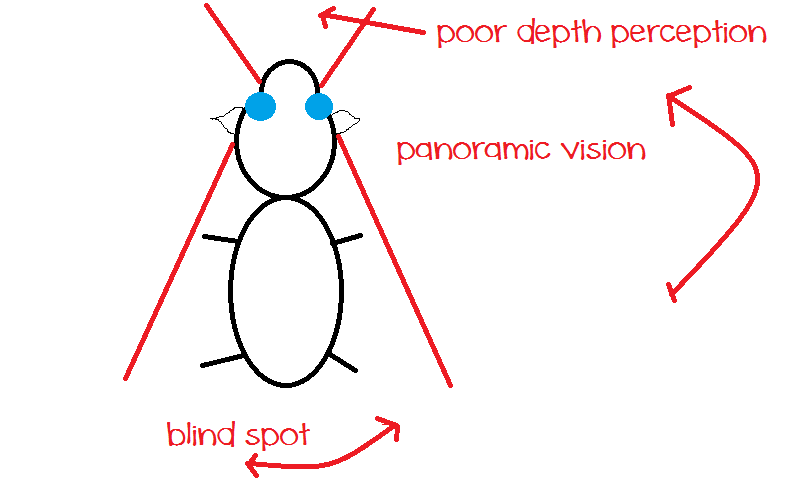
Cattle have peripheral vision. That means they have a wide angle vision, like a panoramic camera shot. They also have poor depth perception directly in front of them. Humans, on the other hand, have binocular vision, so we can see directly in front of us, but not so much to the side, and certainly not behind us!

One theory entertains the idea that our vision is dictated by our predator- prey status throughout evolution. Cattle are herbivores, they are the prey. Furthermore, they are grazing animals. Like that game we played in primary school “heads down, thumbs up”, drive past a paddock of cattle, and you will see them playing “heads down, bums up”.

Now, if the cattle are busy playing “heads down, bums up”, who is on the lookout for predators sneaking up in the grass?

If cattle had binocular vision, it would serve zero purpose to them as they had their head in the grass, munching away. They’d just be looking at grass. However, with their panoramic vision, they have poor vision directly in front of them (the grass) but good vision side to side.

cow

Now first things first- that is an awful picture, yes I am aware! It looks more like a pig than a cow.

Now back to business. So can you see in this picture, with the panoramic vision, the cattle can be scanning for predators while they are grazing? Why it is more useful for them to be able to see around them, than directly in front of them?

Next, take note of the blind spot. Even with their panoramic vision, cattle, like us, are not blessed with being able to see directly behind them, which means they are also susceptible to people running up behind them yelling things like “boo” or “RAHHH”, things other people think are funny, but as the person with no eyes in the back of our heads, things we do not think are funny…

IMG_4093

So imagine you are a cow walking around. You have poor depth perception directly in front of you, (I’m not sure if that is near or far sightedness?), good vision side to side, but then you have this annoying blind spot. That one spot which leaves you open to a dog or another predator, sneaking up behind you. Of course, being in the “prey club” as opposed to being a predator, I would be a bit paranoid on top of that if I was a cow.

So, you need to check behind you, to make sure nothing is eying you off as dinner (unless you are in a hoof and hook class and then you should be eying off that human on the other end of your lead rope!).

IMG_4095

Now, we all have that annoying friend who bumps into us when we’re out shopping, they keep looking at window displays, cute boys walking past etc… Fact is, when you turn your head, you often wander off your pathway. That’s why we have mirrors on our cars, especially those add ons which show you your blind spot! Wandering out of your lane is far worse than bumping into your friends!

That is why cattle pads meander. Cattle need to check their blind spot as they go on their way. They have fairly short, inflexible necks, so when they bend them to play peek-a-boo, it affects their whole body, sending them off course ever so slightly.

image014

Horses on the other hand, have longer, more flexible necks, are able to look behind them without such an obvious effect on their balance and as a result, their tracks aren’t as meandering.

I love learning bits of information like this. It is such an important concept to me, to be able to understand livestock senses, and why they do what they do, to be able to work with them effectively. Sometimes we are so focused on awesome research and discovering new things, we don’t discover what already is.

…. and a great night was had by all on the couch at the National Press Club as you can imagine with story tellers like this for entertainment. Thanks Steph I must admit my life is re-energised since I met you   

BTW Some more interesting stuff here via Emma http://www.slideshare.net/LandLearnNSW/cattle-whispering-emma-kay

IMG_4111

The wounds are still raw

It is now 7 days since the double whammy of one farm being covered in flood water and the other the scene of a spine chilling tractor accident. Read the original post here

Today is the day that the tractor recovery session begins

We got off to an early start with the sun shining, the birds singing and some very VERY fit people braving the Clover Hill mountain on their bikes.

IMG_9228

I was exhausted just watching them

IMG_9240

By 7 o’clock the team of experts were in place.

IMG_9243

By 7.30 everyone was starting to get very nervous with the recovery truck now bogged and a second tractor called in to pull out the truck failing to do so.  

IMG_9244

That then required more machinery to un-bog the truck

Nick was starting to think we should call the whole thing off and Michael and I were quick to agree. A quick call to our insurance broker and he was on the scene. After a long conversation with the recovery team we were assured this was a piece of cake compared to the places these experts often find themselves in such as recovering semi trailers that had gone over cliffs. So we reluctantly agreed to let the process continue and we all busied ourselves doing whatever it took to keep our minds off the task at hand and let the experts handle it.

IMG_9248

We were all very relieved to see 4 hours later not only had the tractor returned to the top of the hill so had the gator which had been bogged at the bottom of the hill with the tractor for 7 days.

So the next trick was driving a tractor with one operational tyre onto the tow truck.

IMG_9253

Its soon became obvious backwards wasn’t going to work

IMG_9260

Finally the tractor is loaded

IMG_9271

As you can imagine a lot of people will be very pleased when that tractor incident is just a faded memory

Little Miracles

Last month I wrote a post titled “ A Friend in Need” about a badly hurt baby wombat Michael found on the side of the road and bought home

Wires informed us Dunlop (named Dunlop by Tweep @beeso) was very seriously hurt and they didn’t expect her to survive. Dunlop is roughly 12 months old and weighs just 6kg. On top of this it is believed she had originally being attacked by foxes. The legacy of this was numerous wounds including a very deep maggot filled injury to head, severe injuries to her feet, a large area of her back stripped of flesh and now she had been clipped by a car.

We left Dunlop in the care of WIRES angels Lorraine and Kay and kept our fingers crossed.

Last week I had a call from Lorraine and Kay inviting Michael and me to visit “Amazing Grace” 

Bandage Bear IMG_9051

Bandage Bear

Lorraine and Kay said they had said so often this wombat has the most amazing will to survive they thought it fitting to call her Grace.

How much is Grace loved.  Let me show you. Firstly Grace lives with Kay and this is where Kay lives

2 IMG_9078 

This is the view from Kay’s front verandah. We thought we lived in paradise

7 IMG_9055  

Everyday Kay and Lorraine lovingly dress Grace’s wounds and feed her milk bottles

Bottle Feeding Grace

Grace has to be held like this for her bottle otherwise she chews the teat to bits ( they discovered this hold after Grace had bitten through 12 teats)


3 IMG_9036

Grace’s back has fresh new skin

4 IMG_9040

The nasty wound on her head is healing nicely thanks to “Solugel” applied with love

6 IMG_9044

Her feet need a lot of attention

5 IMG_9041

With staples assisting the torn soles to heal

1 IMG_9074

and lots and lots of cuddles

What next for Grace. Well we will keep you informed but things are looking very promising. Little Miracles do happen