Assessment of Agricultural Industry’s Engagement with Schools


The State of Agricultural Engagement with Schools

Initial Report Summary

Enhancing Agriculture’s Approach to Workforce Development and Industry Engagement

Executive Summary:

This report synthesises insights gathered from extensive research, including best practices from the mining industry and other sectors, as well as the challenges facing the agricultural industry in Australia. After spending a weekend reviewing research papers and combining these insights with over 20 years of experience in the agricultural sector, this report identifies the core issues, proposes strategic solutions, and emphasises the need for a professional, external facilitator to lead the collaboration efforts necessary for real, transformative change.

1. Introduction

1.1. Purpose of the Report

The purpose of this report is to provide a clear strategy for the Australian agricultural industry to emulate the best practices identified in other sectors, particularly mining, in its approach to workforce development and industry engagement.

1.2. Background

Agriculture has long recognised the mining industry as a benchmark for best practice in workforce engagement. Despite this recognition, the will to emulate these practices within agriculture has been slow to materialise. This report explores the barriers within the agricultural sector that have impeded progress and offers a roadmap for overcoming these challenges.

2. Industry Comparisons: Agriculture vs. Mining

Aspect Agriculture Mining
Industry Engagement with Schools Ad hoc, lacks coordination, varies by region and organisation. Limited resources and fragmented initiatives. Coordinated, well-funded, centralised efforts. National programmes, partnerships with schools, and career days.
Centralised Resources Lacking a unified, accessible platform for educational and career resources. Dedicated portals and extensive online resources for students and educators.
Public Perception and Marketing Limited, often negative perceptions. Sporadic marketing efforts that do not reach urban audiences effectively. Proactive, positive public relations campaigns. Engages urban students and educators with clear career paths.
Collaboration Across Sectors Collaboration is recognised as important but is often hampered by self-interest and siloed thinking. Strong collaboration between industry, government, and educational institutions. Focused on common goals.
Investment in Education Insufficient, with few scholarships and limited engagement with educational institutions. Significant investment in scholarships, training programmes, and continuous education initiatives.

3. Problem Statement

The agricultural industry has recognised the importance of adopting best practices from other sectors, particularly mining, yet significant barriers remain. These include a lack of coordinated efforts, insufficient resources, and a tendency to view collaboration through a narrow lens. The industry must adopt a new approach to effectively engage the next generation of workers.

4. Strategic Goals and Objectives

Goal: To establish a unified and strategic approach to workforce development in agriculture by leveraging best practices from other industries and fostering genuine collaboration.

Objectives:

  1. Develop a Centralised Resource Hub: Create an accessible platform for educational materials, career resources, and industry information. See how the MCA do it here 
  2. Enhance Collaboration: Define what effective collaboration looks like, establish a community of practice, and bring together key stakeholders, including industry leaders, educators, and government representatives.
  3. Professional Facilitation: Engage a skilled, external facilitator to guide the collaborative process, ensuring that all voices are heard and that the strategy is cohesive and actionable.
  4. Invest in Education: Increase investment in scholarships, vocational training, and partnerships with educational institutions to build a stronger talent pipeline.

5. Solutions and Action Plan

5.1. Centralised Resource Hub

  • Action: Develop a comprehensive online platform, similar to what the mining industry offers, to provide a centralised location for all educational and career-related resources.

5.2. Collaborative Framework

  • Action: Define clear collaborative goals, establish a community of practice, and bring together key stakeholders, including industry leaders, educators, and government representatives.

5.3. Professional Facilitation

  • Action: Hire a professional facilitator to manage the collaborative process, ensuring that all stakeholders are aligned and that the strategy is implemented effectively.

5.4. Investment in Education

  • Action: Allocate more funds towards scholarships, training programmes, and partnerships with schools to attract and retain talent in the agricultural sector.

6. Key Recommendations

  • Prioritise Collaboration: Move beyond recognising the need for collaboration and take concrete steps to establish a structured, strategic partnership model.
  • Emulate Best Practices: Actively adopt and adapt the successful strategies used by the mining industry to engage students and build a strong workforce pipeline.
  • Invest in the Future: Commit to long-term investments in education and training to ensure the sustainability of the agricultural workforce.

7. Conclusion

The challenges facing the agricultural sector in workforce development are significant, but they are not insurmountable. By learning from other industries, particularly mining, and by committing to genuine collaboration, the agricultural industry can develop a robust strategy that not only meets the needs of today but also secures the future of agriculture in Australia.

References – See page 4

#Agriculture #Education #Careers #Mining #BestPractice #YouthEngagement #SchoolPartnerships #Sustainability #Innovation #FutureOfFarming #STEMEducation #IndustryCollaboration #AgEducation #WorkforceDevelopment #ResearchReview

How Do We Select Team Players and Identify True Collaborators for Leadership Opportunities

Selecting the right individuals for leadership roles, scholarships, and other significant opportunities is a challenging yet crucial task. Over my 15 years on various selection panels, I’ve encountered a recurring challenge: differentiating between applicants seeking personal career enhancement and those genuinely driven by a desire to be part of a team that makes a difference. Here are some insights and tips on identifying true team players:

Understanding the Importance of Teamwork

Individual commitment to a group effort—that is what makes a team work, a company work, a society work, a civilization work.” — Vince Lombardi

Teamwork is not just a buzzword; it’s a fundamental aspect of achieving collective success. As Helen Keller famously said, “Alone we can do so little; together we can do so much.” This quote encapsulates the essence of teamwork and the incredible potential that lies in collaborative efforts.

Key Qualities to Look For

  1. Demonstrated History of Collaboration: Look for candidates who have a proven track record of working well in teams. This can be evidenced through their involvement in group projects, team sports, community service, or collaborative academic work.
  2. Communication Skills: Effective team players are also excellent communicators. They listen actively, articulate their ideas clearly, and provide constructive feedback. During interviews, pay attention to how candidates interact with you and others.
  3. Empathy and Respect: True collaborators respect diverse perspectives and show empathy towards their peers. They understand that every team member brings unique strengths and viewpoints, which can enhance the overall performance of the group.
  4. Willingness to Share Credit: A strong indicator of a team player is their willingness to share credit for successes. Look for candidates who use “we” instead of “I” when discussing their achievements, indicating their recognition of collective efforts.
  5. Problem-Solving Orientation: Team players are often solution-oriented and willing to go the extra mile to help their team succeed. They approach challenges with a collaborative mindset, seeking input from others and working together to find the best solutions.

“None of us is as smart as all of us.” — Ken Blanchard

Identifying Genuine Team Players

To identify candidates who genuinely want to be part of a team that makes a difference, consider the following strategies:

  1. Behavioral Interviews: Ask candidates about past experiences where they worked in a team. Questions like, “Can you describe a time when you had to collaborate with others to achieve a goal?” can reveal much about their teamwork abilities.
  2. Scenario-Based Questions: Present hypothetical scenarios that require teamwork to resolve. Observe how candidates propose to handle these situations and how they incorporate others’ input into their solutions.
  3. References and Recommendations: Seek feedback from previous supervisors, mentors, or team members who can provide insights into the candidate’s ability to work collaboratively.
  4. Group Activities: If possible, include group activities or projects as part of the selection process. This allows you to observe candidates in action and see how they interact with others in real-time.

Selecting individuals who are true team players requires a keen eye and thoughtful consideration. By focusing on their past behaviours, communication skills, empathy, and problem-solving abilities, you can identify candidates who are not only looking to advance their careers but are also committed to making a meaningful impact as part of a team. Remember, together, we can achieve so much more.

#Teamwork #Collaboration #Leadership #TeamPlayer #GroupEffort #Empathy #CommunicationSkills #ProblemSolving #TogetherWeAchieveMore #CommunityImpact #LeadershipOpportunities #SelectionProcess #TeamSuccess #BritishEnglish #MakingADifference #CollectiveEffort #WorkingTogether

 The Logic of Community and why Communities of Practice Matter

In this blog post the SynergyScape Solutions team explore the importance of Communities of Practice and the cultural, systemic, and intrinsic/extrinsic value conflicts that challenge their adoption, while posing critical questions and offering solutions for fostering a collaborative mindset. It concludes with an invitation for readers to share their experiences with successful CoPs.

 In a world that often feels increasingly fragmented, the concept of Communities of Practice (CoPs) offers a guiding light. At their core, CoPs are about people coming together, united by a shared passion or interest, to learn, innovate, and drive change. The logic here is simple: when we collaborate, we achieve better outcomes for the greater good. Yet, despite the clear benefits, we struggle to adopt this “we” mindset. Why is that?

One might argue that our struggle with communal thinking stems from cultural roots. Australian society, like many others influenced by Western ideologies, has long championed individualism. From the iconic “Aussie battler” to the self-made entrepreneur, our narratives glorify the lone hero. This cultural backdrop can make the shift to collective thinking challenging, even when we intellectually understand its advantages.

Capitalism, with its intrinsic competitive drive, further complicates this transition. The market-driven mentality promotes personal gain over collective welfare, often framing collaboration as a strategic move rather than a fundamental value. In such an environment, intrinsic values—like altruism, empathy, and community spirit—can be overshadowed by extrinsic values such as wealth, status, and power. This dichotomy creates tension, as those driven by intrinsic motivations seek to foster collaboration, while those guided by extrinsic values may view such efforts with scepticism.

Then there’s the zeitgeist—the spirit of our times. We live in an era of rapid change and unprecedented connectivity, yet we are paradoxically more isolated. The digital age, while offering tools for connection, also perpetuates superficial interactions over meaningful engagements. The fast-paced, transactional nature of online communications can undermine the deep, sustained efforts required to build and maintain CoPs.

However, it’s not all doom and gloom. There are shining examples of CoPs thriving across various sectors, proving that with the right mindset and structures, collective efforts can flourish. Consider the technology sector, where open-source communities bring together developers from around the world to create, refine, and innovate software solutions. Or look at the healthcare industry, where professionals collaborate through CoPs to share best practices and improve patient care. These examples underscore that when we embrace a “we” mindset, we can overcome the cultural and systemic barriers that hinder collaboration.

But how do we cultivate this mindset more broadly? It starts with recognising and valuing the power of collaboration.

We need to shift our narratives to celebrate collective achievements and the unsung heroes who drive them. Education systems can play a crucial role by fostering critical and creative thinking, teaching young people the importance of empathy, and encouraging them to work together to solve problems.

Moreover, we must address the systemic issues that prioritise individual success over collective welfare. This might mean rethinking policies and incentives to reward collaboration and shared achievements. It also involves creating environments—both physical and digital—that facilitate sustained, meaningful interactions.

Ultimately, the success of Communities of Practice hinges on our ability to align our intrinsic values with our actions. It’s about recognising that true success is not measured by personal gain but by the positive impact we have on those around us. By fostering a culture that values collaboration, we can build resilient, innovative communities capable of tackling the complex challenges of our time.

So, as we ponder the question of why we struggle with communal thinking, let’s also consider how we can change this narrative. Let’s challenge the cultural and systemic norms that divide us and embrace the logic of community. After all, when we come together with a “we” mindset, we unlock our collective potential and create a better future for all.

If you are part of a successful Community of Practice or know of one, I would love to hear from you. Your insights and experiences are invaluable as we work to understand and spread the “secret sauce” of effective collaboration.

Please contact me at E: lynnestrong@synergyscape.com.au

#CommunitiesOfPractice #Collaboration #CommunityBuilding #SocialChange #Innovation #CollectiveAction #IntrinsicValues #CommunityEngagement #CultureShift #SharedSuccess


Beyond Success by Embracing the Role of Healers, Peacemakers, and Storytellers

In today’s world, the definition of success often revolves around wealth, status, and power. Yet, as the message on this wall poignantly states, what our planet desperately needs are more peacemakers, healers, restorers, storytellers, and lovers of all kinds.

Source 

As I reflect on my journey and the work I’ve been privileged to be part of, it becomes increasingly clear that our true impact lies not in the titles we hold but in the difference we make in the lives of others. Through my efforts to support communities and schools, I have seen firsthand the transformative power of young people navigating the world with confidence, appreciating different perspectives, and taking meaningful action on issues that matter to them.

In a world rife with conflict and division, the role of a peacemaker is more crucial than ever. It’s about fostering dialogue, understanding, and mutual respect. Through initiatives that bring people together and encourage open communication, we can build a more harmonious society. This involves creating spaces where diverse voices can be heard and valued, promoting a culture of empathy and collaboration.

Our society needs healers – not just in the medical sense but in every facet of life. This includes emotional, psychological, and social healing. By supporting young people in schools to build their emotional intelligence and resilience, we lay the foundation for a more compassionate future. Initiatives that promote mental well-being and provide support for those in distress are essential in creating a caring and inclusive community.

Stories are powerful. They shape our understanding of the world, inspire action, and connect us to our shared humanity. Through writing opinion pieces for the local paper and blog posts on social justice issues, I aim to highlight the stories that matter, especially those that often go unheard. It’s about changing the narrative and reinforcing positive perceptions, particularly in sectors like agriculture. By sharing the successes and challenges of our community efforts, we can inspire others to join in and make a difference.

A shining example of this approach is the Young Environmental Champions program, which recently won the Banksia Award for Impact and Communication. This program has been instrumental in raising young people’s confidence in their ability to drive real change in their communities. By empowering them with the knowledge and skills to tackle environmental issues, we have seen these young champions take bold steps in advocacy, project implementation, and community engagement. Their success is a testament to the power of nurturing young leaders who are passionate about making a difference.

Finally, the idea of being lovers of all kinds – lovers of people, of nature, of truth – speaks to a profound truth. It’s a call to infuse our actions with empathy, compassion, and a deep commitment to justice. Supporting communities to work together, based on the success of my work with schools, underscores the importance of collective action and solidarity. By empowering young people to take action on issues that matter to them, we foster a culture of active citizenship and positive change.

Redefining success to include the roles of healers, peacemakers, restorers, and storytellers is not just idealistic – it’s essential. As we continue our journey, let us commit to these roles with vigour and dedication, knowing that the true measure of our success lies in the lives we touch and the positive change we bring about.

#CommunityEngagement #Peacemakers #Healers #Storytellers #YouthEmpowerment #EnvironmentalChampions #Collaboration #PositiveChange #SocialJustice #Empathy #Compassion #ConfidentCommunication #CommunitySupport #Advocacy #CollectiveAction #ImpactfulWork #InspiringChange #FutureLeaders #BuildingCommunity #Empowerment

The Power of Positivity in Agriculture

In a world often fraught with challenges and negativity, the power of positivity stands as a beacon of hope and transformation. This image spotted on Facebook highlights a profound truth: our emotions and attitudes can significantly impact our lives. When read left to right, the statements depict how negative emotions and traits can destroy vital aspects of our existence. However, when read right to left, a new perspective emerges, showcasing the empowering force of positive attributes.

In agriculture, it is especially important to focus on the positives without prefacing them with negatives. Too often, conversations about agriculture start with a negative statement followed by a “but,” which inadvertently reinforces the negative. For example:

  • Negative Reinforced: “People think agriculture is all mud and flies, but it’s also full of innovation.”
  • Positive Reframed: “Agriculture is full of innovation, advanced technology, and sustainable practices.”

Additionally, agriculture too often plays the sympathy card, emphasising its challenges in a way that overlooks the fact that other sectors also face similar difficulties. It’s important for our language to be inclusive and recognise the shared struggles and triumphs across different industries. By doing so, we can foster a sense of solidarity and mutual respect.

Examples of Inclusive Language:

  1. Negative Sympathy: “Agriculture faces unique challenges that others don’t understand.” Inclusive Positive: “Like many sectors, agriculture faces challenges, but it also leads the way in innovative solutions and sustainable practices.”
  2. Negative Sympathy: “Farmers have it harder than anyone else.” Inclusive Positive: “Farmers, like professionals in many other fields, work tirelessly to overcome obstacles and ensure a thriving future.”
  3. Negative Sympathy: “Only in agriculture do we see such hard conditions.” Inclusive Positive: “Agriculture, alongside other industries, continuously adapts to tough conditions, showcasing resilience and innovation.”

People remember the negative, so it’s crucial not to reinforce it.

Instead, let’s emphasise the positives and showcase the industry’s true value and potential. Highlight the sustainable practices being implemented, the technological advancements improving efficiency, the passion of our farmers, and the essential role agriculture plays in feeding the world. By focusing on these positives without reverting to the negatives, we can change the narrative around agriculture and help others see it for what it truly is: a cornerstone of society that deserves recognition and respect.

The power of positivity lies in its ability to transform our mindset and, consequently, our lives. By focusing on positive traits and emotions, we can overcome the negative forces that hold us back and pave the way for a brighter, more fulfilling future. Embracing positivity empowers us to be the best versions of ourselves, fostering growth, peace, and success in all aspects of our lives, including the vital and often underappreciated world of agriculture.

It is essential to break the cycle of negative reinforcement and instead, build a narrative that celebrates the contributions and advancements of agriculture while recognising the shared experiences across all sectors.

Using inclusive language offers an opportunity to build alliances with other sectors that share similar issues, enabling us to work together to drive change and create a more resilient and sustainable future.

For more great advice on language to use in the agriculture sector visit here  and here.

#Positivity #Agriculture #Innovation #Sustainability #Farmers #Community #Resilience #Growth #Technology #Collaboration


Embracing Community of Practice: A New Chapter in Charitable Work

After a two decades of dedication to a charity aimed at empowering young people, I’ve experienced a journey filled with highs and lows. While we achieved remarkable success in schools, our efforts in the agricultural sector didn’t yield the expected results. This mixed outcome has led me to a new chapter: joining a Community of Practice (CoP) aligned with our vision.

In schools, our project flourished, witnessing enthusiastic participation and significant impact. However, the agricultural sector presented unique challenges, teaching us that approaches successful in one area might not necessarily translate to another. This experience, though disheartening, provided invaluable lessons.

Seeking growth and alignment, I’ve decided to join a CoP, a platform where individuals with shared passions collaborate and learn.

Here are some principles of CoPs that resonate with our journey:

  1. Shared Domain of Interest: Our CoP is united by a common goal of empowering young people and enhancing community engagement.
  2. Community Engagement: Active participation and collaboration within the CoP will be crucial for shared learning and growth.
  3. Collective Learning: Leveraging diverse experiences and insights within the CoP, we aim to enhance our knowledge and practices collectively.
  4. Practice Development: Through activities like problem-solving and knowledge mapping, we will refine our approaches to better suit different sectors.
  5. Value Creation: The CoP focuses on creating tangible value for its members, including knowledge enhancement and skill development.
  6. Open Dialogues: Encouraging honest conversations about both successes and challenges will be key to our learning and development.
  7. Respect for Diverse Perspectives: Embracing the varied experiences each member brings, enriching our collective understanding.
  8. Evolutionary Growth: Being open to the CoP’s evolution as needs and interests change over time.
  9. Facilitation and Leadership: Benefiting from both formal and emergent leadership within the CoP to guide our efforts.
  10. Sustainability and Impact Measurement: Aiming for sustainable practices and measuring the impact of our collaborative efforts.

Joining the CoP will allow the charities involved to have a united voice, which is crucial in advocating for our shared goals and vision. This unity will enable us to amplify our message and have a greater impact on policy and practice.

The CoP will serve as a resource hub, providing a one-stop-shop for schools to access diverse resources. This consolidation of resources ensures that schools have easy and efficient access to the tools and information they need, enhancing the effectiveness of their initiatives. Additionally, by sharing resources, the charities involved in the CoP can share administrative costs. This shared approach will lead to more time, energy, and funding being available for the actual delivery of services, enhancing the efficiency and impact of our work.

Joining this CoP marks a new beginning in my journey. It’s an opportunity to build on past experiences, both the successes and challenges, and to move forward with a community that shares a similar vision. This collaborative and dynamic environment promises growth, learning, and the potential to make a more significant impact in the areas we serve.

This step represents not just a continuation of my commitment but also an evolution, adapting and learning in ways that a singular approach could not offer. Here’s to new beginnings, shared learning, and making a difference together.

#CommunityOfPractice #EmpoweringYouth #CharitableWork #Collaboration #SharedLearning #NonprofitGrowth #SocialImpact #EducationInitiatives #AgriculturalChallenges #ResourceSharing #NonprofitEfficiency #CommunityEngagement #SustainablePractices #LeadershipInCharity #VisionaryChange #PositiveImpact #LearningTogether #AdvocacyInAction #EmpowermentThroughEducation #CollaborativeLearning


Catherine Marriott’s spirit is strong. Her courage extraordinary. We #standwithMaz

The Marriott Girls.jpg

The Marriotts – a family of legends – courage personified 

As Australians across the country rally to #standwithMaz by tuning into ABCLandline today to watch Catherine Marriott on the Pardoo Station segment  I am reflecting on the  positives of Catherine’s bravery in taking a stance against inappropriate behaviour towards women by people in powerful positions.  It has highlighted the courage of women in the agriculture sector and unified the sector with a collaborative call to action from both men and women, organisations, business and the community.

I remain stunned anyone would question the timing of the complaint. As I said in a previous post I have no idea what I would do. In the first instance I would want to be 100% confident of my family support, support of friends and knowing my networks have my back. Catherine Marriott has all of those in spades.

Then I would think about self care. Like many others, I too have been bullied on Twitter. I have seen how tough it can be at a political level. I remember vividly walking into a national meeting in Melbourne of a NSW industry  group I was representing. The first thing that happened was been taken into a corner by one of the other women in the room who said I hope you wore your armour, women on committees in our industry in Victoria are only seen to be here to serve the tea and scones. She was right it was very unpleasant. I didn’t last long.

Quoting National Farmers Federation President Fiona Simson from this article Barnaby Joyce leak shocks rural women amid sexual harassment investigation it should be obvious to everyone why I believe people don’t just automatically walk into police stations

“I think some of it is not understanding what is acceptable and feeling maybe a little bit guilty about calling some of it out. But I also think there is a bit of fear around what the repercussions are going to be.”

“Am I going to be trolled if it’s on social media? Am I going to be outed in the workplace? Am I going to lose my job, am I going to be able to progress on the career path that I’m on?”

Catherine Marriott’s recent media statement reiterates this

“This complaint was made not only to address the incident against me — it was about speaking up against inappropriate behaviour by people in powerful positions,” she said.

“Suggestions to the contrary are hurtful, incorrect and the very reason why I hesitated to come forward at the time of the incident.

“Speculation on this issue by people who are unaware of the facts is impacting my right to a fair and due process. The additional stress of having to go through this publicly and with people’s judgement is the exact reason people don’t come forward.”

Self care has to be the number one priority.  Catherine’s bravery has provided an opportunity for our rural champions to come out in force saying to other courageous women we are here for you, we will support you and we will lobby to ensure that courageous women (and men) get the pastoral care they deserve as well as fair and due process  

Catherine Marriott’s spirit is strong. Her courage extraordinary. We #standwithMaz #solidarity4Catherine #strongertogether #strongwomen


How do farmers move beyond the Ultimate Betrayal

“Et Tu Brute” This well-known Latin phrase historically believed to be the last words of Julius Caesar to his friend Marcus Brutus at time of his assassination is widely used in Western culture to signify the ultimate betrayal.

Recently some-one I have known and admired for a couple of years said to me “Lynne I am proud of you, you are in indomitable”. Now “invincible, tough, unconquerable” I am confident are not words people who have stood side by side with me for the long haul would use to describe me. I would think “fragile” would be more the word that comes firstly to mind.

Some-one I also know and admire greatly has said to me “There are times when I hate agriculture. I have worked in so many fields including politics and I have never seen so much backstabbing and nastiness as I have seen in agriculture”

I haven’t worked in politics and despite considerable pressure being put on me currently to stand for local government it is not something I am considering entering but I have recently witnessed something in agri-politics that has rocked to the core. People say farmers are their own worst enemy and in the past many farmers would have agreed with them. Well sadly fellow farmers some of the organisations funded by large chunks of taxpayer money to ensure agriculture has bright future I believe are setting you a very poor example and do not have your best interests at heart

Let’s bring it all together “ultimate betrayal” and “fragile”

Firstly fellow farmers you are I believe being betrayed by people/organisations who should know and do better and secondly I am not the one who can go into battle on this on your behalf. This is something we can only surmount and win if we all do it together. This will require a cohort of resilient bright minds with a cohesive, collaborative and whole of industry and Australia wide vision

Let me explain

My vision is for a dynamic, innovative, exciting and profitable agrifood sector that the next generation of food and fibre producers see as a career of first choice. I know this is achievable but from what I have seen over the last ten years we have a highly fragmented agrifood sector seemingly hell-bent on a path of self destruction.

I have chosen to achieve my vision in in two ways.

Firstly I am committed to finding every ideal opportunity and vehicle I can to show our farmers why we should be proud and loud that we feed and clothe 60 million people with a strong commitment to do this with the best interests of people, animals and the planet at the forefront of our minds.

Secondly I believe creating a community which is engaged & informed with agriculture is our ‘MOST IMPORTANT JOB’ and is the key to the sustainability of, not just agriculture – but to the entire fabric of our modern advanced society. To do this I work with a wonderful and growing network of young people who deliver the Art4agriculutureprograms into schools currently in NSW and Queensland and hopefully (fingers crossed) right across Australia in 2013-2014

So when in good faith the National Farmers Federation brought together a range of people from across the education, skills and training spectrum in March this year to discuss labour, education and skills in the agrifood sector I got very excited and jumped in my truck and headed to Canberra determined to play an active role. The aim of the forum was to identify the critical issues facing the sector and to move to address these issues through collective effort.  NFF then facilitated a subsequent working group of the forum to further these actions and I am a proud member of this working group.

When NFF CEO Matt Linnegar facilitated this working group he made it clear from the start that one of the key priorities in the first instance was to identify the lead body for this working group. Prior to this everybody invited was asked to “bring a friend” By this I mean each body was given a list of the organisations invited to the table and asked to identify any others they felt should be in the room. Every hour on the hour Matt gave everybody in the room the opportunity to put their hand up to be the lead body and every time everyone in the room identified NFF as the appropriate body. Everybody then agreed to work together, identified where they believed they could play the most effective role and how we could get the ball rolling and off we went to take it to the next stage and I drove home all warm and fuzzy. After 50 years of navel gazing ( the words of the statesmen around the table) this time the agrifood sector was going to address image, labour and skills shortages and community education and awareness of agriculture through collaboration and innovation to achieve great things

So  naïve, so altruistic was I and couldn’t believe my ears when the phone calls starting coming in. ‘Lynne have you heard about the “Canberra Roundtable – Rebuilding the Agricultural Workforce” to be held on 19thJune 2012’.

No I hadn’t and everyone I spoke to agreed it was essentially an attempt to duplicate the NFF process with some but not all of those represented by the working group and as such would only serve to fragment the sector at a time where we most need to work cooperatively.

Now I am highly confident that 99% of farmers would never have heard of the “Group of 4” that convened and supported the ethos of the Canberra Roundtable – “Rebuilding the Agricultural Workforce”

I felt farmers had been betrayed because with only limited money available in this space more silo building at this time is the last thing that industry requires to enhance industry image and reverse the skills shortage. Equally the last thing we need are groups without direct farmer membership seeking to direct the shape of our industry.

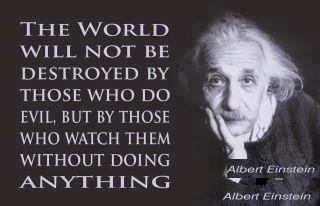
Albert Einstein

I personally felt betrayed because one of the ‘”Group of 4” I promoted at every opportunity as they do wonderful things to encourage high schools students to take up science careers in the R&D field. Why on earth they believe however that their tiny little organisation should take a lead role in defining the future for Labour, Skills and Education for agriculture in Australia is too bizarre to even think about.

One of the other organisations I was an ambassador for and I had never heard of the other two. I have since resigned from my ambassador role for this organisation because as a farmer first and foremost my allegiance is with NFF who represent my fellow farmers. I know the current leadership of NFF is committed to a whole of industry coordinated approach to tackle labour, education and skills in our sector and with vocal support from farmers and genuine collaboration from the agrifood sector as a whole I am very confident they can deliver.

Traditionally Agriculture has been fragmented with each industry thinking they have unique problems and issues. We have got to move beyond this paradigm. We all have common macro problems and issues and it’s only when we work together to address these can we solve the micro issues that affect individual industries

A recent study* showed Australians are most concerned about food and health. Ensuring our farmers can continue to grow affordable, nutritious, ethically produced food is the key to health, wealth and happiness of every person in this great country. It’s time for farmers to take back control of their own destinies and work together.

So if farmers don’t want groups without direct farmer membership seeking to direct the shape of our industry what do we want?

Call to action –

Farmers in the main just want to get on with the job of farming. Between email, snail mail and Twitter and Facebook I get invited to at least one event everyday so it’s important for productivity and clarity, that farmers have strong representation that allows them to get on with the job of farming.

Then it’s as plain as the nose on your face the way forward out of this quagmire is for farmers to join their state farming organisations and direct the change you want to see through that process

If you are not happy with your state farming organisations or grower groups et al identify, support, encourage and vote in farmers and leaders who can make the wisest decisions and most importantly work together for the greater good. Only in this way can they deliver on your behalf

We have got to do more than buy the tee shirt

Its time do more than just buy the T Shirt 

FARMERS WE CAN DO THIS AND WE MUST DO THIS

PS Twitter has been very busy discussing this post but few have put pen to paper and commented.  Remember the third biggest regret people who are dying have is I wish I’d had the courage to express my feelings. Many people suppressed their feelings in order to keep peace with others. As a result, they settled for a mediocre existence and never became who they were truly capable of becoming. Many developed illnesses relating to the bitterness and resentment they carried as a result”.

* What Matters to Australians:Our Social, Political and Economic Values A Report from the Anatomy of Civil Societies Research Project March 2012